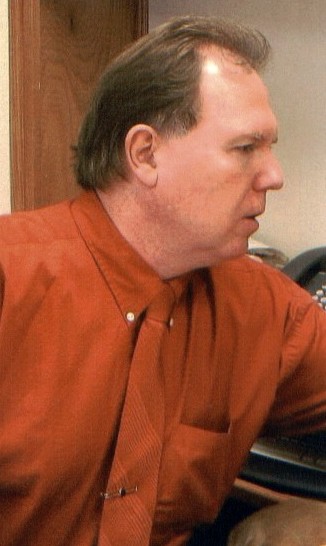
There is an interesting case being appealed before the National Board of Medical Examiners. This case is a gray area, blurred because it is framed by societal issues, the Americans with Disabilities Act, and the health concerns of a nursing mother, playing out against the backdrop of the rigid enforcement structure of the Clinical Knowledge Exam.
Sophie Currier
Already has her Harvard doctorate and has followed that up with five years of medical training. The final barrier that is keeping her from having a hard-earned MD-Ph.D. is the aforementioned exam.
(Note: registration is required to read this Boston Globe article, but it is free and easy.)
To understand this case fully, you need to know that Currier is the mother of a still nursing, 7-week old daughter. According to the article linked above, “If she does not pump milk from her breasts every two or three hours, she could suffer blocked ducts, the discomfort of hard breasts, or an infection called mastitis.”
Currier is receiving accommodations for dyslexia and attention problems. This includes giving her double time for the nine-hour exam, letting her take the test over a two-day period. On the surface, this may appear to help ameliorate her problems, but it only doubled them, allowing her only the normally allowed break times each day.
She asked the board last week for extra break time to allow her to pump her breasts, but was denied. The board cited the Americans with Disabilities Act as their guide and told her that breastfeeding was not among the covered disabilities.
Yes, it is true that, under the ADA, pregnancy, lactation and related actions such as breast feeding and breast pumping are not covered by the law. However, what they are dealing with in this case are health concerns of the mother. Granted, the short time that she will be subjected to testing is not guaranteed to incur the possible adverse physical results that are possible. Still, there are health concerns that are not necessarily disabilities, no matter how temporary the condition is.
According to the article, “Forty-seven states have passed laws that protect nursing mothers, according to the National Conference of State Legislatures. Many protect the right of mothers to breast-feed in public, and some exempt them from jury duty, where breaks can be few and unpredictable.” Unfortunately for Currier, Massachusetts, where her case is playing out, has no such laws at this time.
It is interesting that one of Currier’s advocates, Dr. Ruth Lawrence, is a chairwoman on the American Academy of Pediatrics. Here, a medical professional is speaking on Currier’s behalf against the medical testing establishment. Ironic, isn’t it?
“Lawrence said the nursing mother of an infant that age should pump at a minimum of every three hours, for about one half-hour each time. The academy recommends that babies be exclusively breast-fed for the first six months .”
It is understandable that the exam board is trying to avoid setting a precedent, but they need to use the ADA as a guide, not a rigid rule that does not allow for gray areas such as this. A warden once had a sign hanging in his office that read, “When the rules and common sense collide, common sense shall prevail.” Currier’s case is one where common sense should be victorious.
Additional Reading:
Here is a 2006 Boston Globe article about Currier, illustrating how she manages her busy and demanding
life while dealing with dyslexia and ADHD.
Wednesday, September 12, 2007


Tuesday, September 11, 2007
growing up with a disability offers grown up insight
I just came across
Growing up with a disability,
A blog written by David , a college student who understands so much more than his 21 years belie.
Evidence of this maturity is spelled out very clearly on his blog’s “About” page:
“I am 21 years old and am taking a year away from college to pursue this project. I like sports, music, travel, and conversation. And, I have cerebral palsy.”
And
“I believe society often underestimates the complexity of living with a disability - the joys, the challenges, the ordinary, and the extraordinary. “
There are two points worthy of noting in those statements.
First, Did you notice how he identified himself? Not only did he take the person first approach, but the cerebral palsy was included almost as a footnote. Yes, he happens to have a disability; however, this is but one facet of David’s character, which is overly abundant in his writings.
Secondly, in the last statement, he speaks volumes when he said, “the ordinary, and the extraordinary.”
The general public categorizes people with visible disabilities which are classified as severe all too often in one of either two bins-- the “poor soul” category with no semblance of normality in life, or the “supercrip” who is the maximum over-achiever, and moste suredly an anomaly amongst his or her disabled peers. However, like David points out, many people with these extreme disabilities would probably call their lives ordinary.
I am making a genralization in that last statement, but am speaking from the many conversations I’ve had with friends whose disabilities span a broad spectrum of conditions and limitations. These people have a life, family, friends, and enjoy activities and hobbies like most ordinary folks. They may have to go about these activities a little different to participate, but the enjoyment is the same. They are just ordinary people, but happen to have a disability.
Okay, enough pontificating from me. Good work there, David for putting so succinctly what it took me a couple of paragraphs to write out.
One particular post I found interesting on David’s blog was his most recent, Sept. 9 post about going to college. In that post, he spells out the assistive technologies of all sorts which has served him well and gives credit to an often overlooked genius among his helpers. This post also says a lot about the individual resourcefulness each of us provides and how we can all benefit from synergy. Not to mention, that post has some very useful tips on adaptations, remedies, and fixes others might find useful.
Growing up with a disability,
A blog written by David , a college student who understands so much more than his 21 years belie.
Evidence of this maturity is spelled out very clearly on his blog’s “About” page:
“I am 21 years old and am taking a year away from college to pursue this project. I like sports, music, travel, and conversation. And, I have cerebral palsy.”
And
“I believe society often underestimates the complexity of living with a disability - the joys, the challenges, the ordinary, and the extraordinary. “
There are two points worthy of noting in those statements.
First, Did you notice how he identified himself? Not only did he take the person first approach, but the cerebral palsy was included almost as a footnote. Yes, he happens to have a disability; however, this is but one facet of David’s character, which is overly abundant in his writings.
Secondly, in the last statement, he speaks volumes when he said, “the ordinary, and the extraordinary.”
The general public categorizes people with visible disabilities which are classified as severe all too often in one of either two bins-- the “poor soul” category with no semblance of normality in life, or the “supercrip” who is the maximum over-achiever, and moste suredly an anomaly amongst his or her disabled peers. However, like David points out, many people with these extreme disabilities would probably call their lives ordinary.
I am making a genralization in that last statement, but am speaking from the many conversations I’ve had with friends whose disabilities span a broad spectrum of conditions and limitations. These people have a life, family, friends, and enjoy activities and hobbies like most ordinary folks. They may have to go about these activities a little different to participate, but the enjoyment is the same. They are just ordinary people, but happen to have a disability.
Okay, enough pontificating from me. Good work there, David for putting so succinctly what it took me a couple of paragraphs to write out.
One particular post I found interesting on David’s blog was his most recent, Sept. 9 post about going to college. In that post, he spells out the assistive technologies of all sorts which has served him well and gives credit to an often overlooked genius among his helpers. This post also says a lot about the individual resourcefulness each of us provides and how we can all benefit from synergy. Not to mention, that post has some very useful tips on adaptations, remedies, and fixes others might find useful.
Monday, September 10, 2007
Patricia E Bauer offers professionally written resource blog for disabilities
I have been reading a blog regularly for a couple of weeks now that I want to share with you.
It is written by
Patricia E. Bauer,
“a freelance journalist who is fascinated by the convergence of science, medicine, ethics, public policy, disability and the media.”
Ms. Bauer has professional writing credentials to be envied. According to the blog site, “She has served as senior editor of the Los Angeles Times Sunday Magazine; special assistant to the publisher of the Washington Post; reporter and bureau chief at the Washington Post, and pundit on public affairs television in Los Angeles. Her articles have appeared in the Washington Post, the New York Times and many other publications.”
Her interest in disabilities and the related issues of this domain may stem from the fact that she and her husband are parents to two children, one of whom has Down syndrome and is a leukemia survivor.
As one might expect of a professional journalist, her writing is of top-notch caliber and her resources of information for the blog are broad reaching.
The blog site is rich in news and issues concerning a bast spectrum of disabilities. It is definitely a site to check regularly or put into your RSS feeds.
It is written by
Patricia E. Bauer,
“a freelance journalist who is fascinated by the convergence of science, medicine, ethics, public policy, disability and the media.”
Ms. Bauer has professional writing credentials to be envied. According to the blog site, “She has served as senior editor of the Los Angeles Times Sunday Magazine; special assistant to the publisher of the Washington Post; reporter and bureau chief at the Washington Post, and pundit on public affairs television in Los Angeles. Her articles have appeared in the Washington Post, the New York Times and many other publications.”
Her interest in disabilities and the related issues of this domain may stem from the fact that she and her husband are parents to two children, one of whom has Down syndrome and is a leukemia survivor.
As one might expect of a professional journalist, her writing is of top-notch caliber and her resources of information for the blog are broad reaching.
The blog site is rich in news and issues concerning a bast spectrum of disabilities. It is definitely a site to check regularly or put into your RSS feeds.
Friday, September 07, 2007
More about the ADA Restoration Act of 2007
Two pieces of news about the ADA Restoration Act of 2007.
First, the
Road to Freedom
is a bus tour which is currently crossing the country and aiming to raise awareness about the pending legislation. The Road to Freedom web site has the latest news and appearances of the bus, as well as other useful links such as “What You Can Do”; The site also has a store as well as a blog to help chronicle the endeavors of the dedicated crew.
Additionally, for the latest information about the status of the ADA Restoration Act of 2007, you might want to grab the upcoming episode 41 of
Disability Nation Podcast.
The episode will air on Sunday, Sept. 9 and will feature some interesting aspects, including the Disability Legislative Liaison for Iowa Senator Tom Harkin .
At this time, it is a bit unclear if there will be a text transcript of this podcast available. One has been requested of the creator of the Disability Nation Podcast and I will be interested to see his response.
First, the
Road to Freedom
is a bus tour which is currently crossing the country and aiming to raise awareness about the pending legislation. The Road to Freedom web site has the latest news and appearances of the bus, as well as other useful links such as “What You Can Do”; The site also has a store as well as a blog to help chronicle the endeavors of the dedicated crew.
Additionally, for the latest information about the status of the ADA Restoration Act of 2007, you might want to grab the upcoming episode 41 of
Disability Nation Podcast.
The episode will air on Sunday, Sept. 9 and will feature some interesting aspects, including the Disability Legislative Liaison for Iowa Senator Tom Harkin .
At this time, it is a bit unclear if there will be a text transcript of this podcast available. One has been requested of the creator of the Disability Nation Podcast and I will be interested to see his response.
Wednesday, September 05, 2007
Some resources for students with ADHD or LD
Here are a couple of resources that might be of assistance for anybody dealing with either Attention Deficit Hyperactivity Disorder (ADHD) or a Learning Disability (LD).
The first is a blog, written by a woman named Shane, with a straightforward name, the
ADHD & LD Resource blog.
Shane has some credibility, not to mention motivation, in understanding the subject of her blog, as she is a stay at home mom of a 10-year old son with ADHD and three LDs, and she has tried to gather as much information as she can to understand her son’s needs. As these needs evolve, so does her blog.
Reading over Shane’s postings, there are obvious signs that she is writing about a preteen and his family who are learning to manage his disability. So, you might be asking why I am writing about this blog on Access Ability, whose target is postsecondary students and the professionals who work with them? Easy. In my own experience, I’ve observed that there are many people who don’t learn of their ADHD or LD until adulthood, particularly when struggling through college courses that have become distressing way beyond the coping skills that have previously served to help them compensate. Shane's information and resources can serve anybody with ADHD or an LD, regardless of age.
Shane’s blog is a good resource for both ADHD and LD, but, as she admits, she does draw a lot of information from
SchwabLearning.org,
A web site dedicated to being a “parent’s guide to helping kids with learning difficulties.”
The Schwab Learning site is completely searchable, with informational dropdown boxes that include “postsecondary” as an education level, so you DSS professionals might be able to find some resources here that you didn’t already know about. And, if you already know about Schwab Learning, let this serve as a reminder to share the site with your students who could add it to their toolbox of resources.
And, don’t forget to share Shane’s blog with them as well.
The first is a blog, written by a woman named Shane, with a straightforward name, the
ADHD & LD Resource blog.
Shane has some credibility, not to mention motivation, in understanding the subject of her blog, as she is a stay at home mom of a 10-year old son with ADHD and three LDs, and she has tried to gather as much information as she can to understand her son’s needs. As these needs evolve, so does her blog.
Reading over Shane’s postings, there are obvious signs that she is writing about a preteen and his family who are learning to manage his disability. So, you might be asking why I am writing about this blog on Access Ability, whose target is postsecondary students and the professionals who work with them? Easy. In my own experience, I’ve observed that there are many people who don’t learn of their ADHD or LD until adulthood, particularly when struggling through college courses that have become distressing way beyond the coping skills that have previously served to help them compensate. Shane's information and resources can serve anybody with ADHD or an LD, regardless of age.
Shane’s blog is a good resource for both ADHD and LD, but, as she admits, she does draw a lot of information from
SchwabLearning.org,
A web site dedicated to being a “parent’s guide to helping kids with learning difficulties.”
The Schwab Learning site is completely searchable, with informational dropdown boxes that include “postsecondary” as an education level, so you DSS professionals might be able to find some resources here that you didn’t already know about. And, if you already know about Schwab Learning, let this serve as a reminder to share the site with your students who could add it to their toolbox of resources.
And, don’t forget to share Shane’s blog with them as well.
Tuesday, September 04, 2007
Sometimes, we just need to ask
Sometimes to get something, we just need to ask.
The reasoning behind that seemingly simple statement was the experience I had via email this past week with the lead web developer of
The Cove Herald
in my hometown. I initially stated that the new design for the newspaper’s online site wasn’t working for my screen reader. In subsequent dialogue with this man, I was able to identify the probable culprit— the site’s Flash animation – and give a good description of what I was experiencing.
We began our correspondence exchange when I sent my initial email to him late Thursday. The man wrote me back on Friday morning, asking what it was that I was having problems with. I wrote him back on Saturday morning, describing the hang-ups with what I was certain was the Flash animation and told him what was going on as I tried to find the sports section. After the long weekend for labor day, during which this man was appropriately off, he returned my last email and offered suggestions that he might employ on the site and asked if that would help my accessibility. He was right on target on what he offered and I am looking forward to my next visit to the web site.
This was not only self advocacy at work, but is also an open-minded web developer in tune with what his readers need. His insight in understanding that we don't all access information the same way sets the standard that other IT professionals should model. Thanks, Mr. Gietz.
The reasoning behind that seemingly simple statement was the experience I had via email this past week with the lead web developer of
The Cove Herald
in my hometown. I initially stated that the new design for the newspaper’s online site wasn’t working for my screen reader. In subsequent dialogue with this man, I was able to identify the probable culprit— the site’s Flash animation – and give a good description of what I was experiencing.
We began our correspondence exchange when I sent my initial email to him late Thursday. The man wrote me back on Friday morning, asking what it was that I was having problems with. I wrote him back on Saturday morning, describing the hang-ups with what I was certain was the Flash animation and told him what was going on as I tried to find the sports section. After the long weekend for labor day, during which this man was appropriately off, he returned my last email and offered suggestions that he might employ on the site and asked if that would help my accessibility. He was right on target on what he offered and I am looking forward to my next visit to the web site.
This was not only self advocacy at work, but is also an open-minded web developer in tune with what his readers need. His insight in understanding that we don't all access information the same way sets the standard that other IT professionals should model. Thanks, Mr. Gietz.
Two sites offering wheelchair perspective
I have been following a couple of web sites for a little while I want to share with you. They are related as both are written by men who use wheelchairs. However, in some ways, that is where they split. They are different, as the first offers the resources of a professional rehab counselor and the other is a savvy and literate mobility expert. Their similarities are the strength of the resource each provides.
The first one is a web site titled
Pitt Rehab Counselor,
Written by Greg Traynor, a man who had a spinal cord injury while diving in 1999. As the web site’s title indicates, he is a rehab counselor in Pittsburgh.
On his site, Greg provides some useful links under various categories ranging from accessible entertainment to a variety of adaptive activities including driving, gardening, and sports. He also provides a good gathering of other resources, which is where I found the second site I want to share with you.
WheelchairJunkie.com
Is a site operated by Mark E. Smith, a self proclaimed mobility superstar. I can not vouch for Mark’s mobility skills, but will take him at his word on that. However, I can attest to his ability to capture thoughts and events in a manner which grabs the reader’s attention. On his site, which seems to be a gathering place for his latest blog entries, Mark describes day-to-day encounters and thoughts he has in a direct, yet personable style. He is both candid, as evidenced by his post about
Equality at the Strip Club,
and also very insightful to the world of disabilities. For proof of the latter, read his
July 27, 2007 post
where he compares the level of rehab care one gets from the perspective of sudden trauma versus progressive disabilities.
I know there are other disability related blogs and web sites that are worth noting. Trust me, I read many of them regularly. I have just been impressed with these two sites lately and wanted to share them.
The first one is a web site titled
Pitt Rehab Counselor,
Written by Greg Traynor, a man who had a spinal cord injury while diving in 1999. As the web site’s title indicates, he is a rehab counselor in Pittsburgh.
On his site, Greg provides some useful links under various categories ranging from accessible entertainment to a variety of adaptive activities including driving, gardening, and sports. He also provides a good gathering of other resources, which is where I found the second site I want to share with you.
WheelchairJunkie.com
Is a site operated by Mark E. Smith, a self proclaimed mobility superstar. I can not vouch for Mark’s mobility skills, but will take him at his word on that. However, I can attest to his ability to capture thoughts and events in a manner which grabs the reader’s attention. On his site, which seems to be a gathering place for his latest blog entries, Mark describes day-to-day encounters and thoughts he has in a direct, yet personable style. He is both candid, as evidenced by his post about
Equality at the Strip Club,
and also very insightful to the world of disabilities. For proof of the latter, read his
July 27, 2007 post
where he compares the level of rehab care one gets from the perspective of sudden trauma versus progressive disabilities.
I know there are other disability related blogs and web sites that are worth noting. Trust me, I read many of them regularly. I have just been impressed with these two sites lately and wanted to share them.
Monday, September 03, 2007
Dream job survey sparks thought
I found the results of a recent survey interesting and, like all good research, it triggered a subsequent response.
The 2007 Universum online survey polled more than 44,000 college students across the U.S., asking the students about which company they felt had their
dream job.
Okay, that sample pool is broad enough to give some good informational data. Here’s the thought it triggered for me. What about the students with disabilities, which companies would they ideally love to work for?
I feel certain that there were students with disabilities among the survey participants, but did not read anything differentiating their data from the general pool. I think this might be an interesting research project for somebody with the time and resources to conduct, to see how much the realities that come with living with a disability tempers one’s dreams, including the dream job.
I personally know how the impact of a disability can force one to let go of one dream job, but once that happens, new dreams emerge and these dreams allow for the needs that are associated with that disability.
Any thoughts on this?
The 2007 Universum online survey polled more than 44,000 college students across the U.S., asking the students about which company they felt had their
dream job.
Okay, that sample pool is broad enough to give some good informational data. Here’s the thought it triggered for me. What about the students with disabilities, which companies would they ideally love to work for?
I feel certain that there were students with disabilities among the survey participants, but did not read anything differentiating their data from the general pool. I think this might be an interesting research project for somebody with the time and resources to conduct, to see how much the realities that come with living with a disability tempers one’s dreams, including the dream job.
I personally know how the impact of a disability can force one to let go of one dream job, but once that happens, new dreams emerge and these dreams allow for the needs that are associated with that disability.
Any thoughts on this?
Sunday, September 02, 2007
Abilities Expo appears to be doing it right
By George, I think Minneapolis is onto something!
They have announced an upcoming Abilities Expo That will take place from Sept. 7-9, 2007.
A variety of organizations on both the national and local levels will be present at the expo to showcase the latest in daily living aids, athletic equipment, mobility products, computer ware, and assistive technology. The products will be displayed in a manner that will allow attendees to see, test and compare the items.
Check out the press release below for an extensive listing of planned activities. The organizers of this event have put a lot of thought into bringing together a large group of products that can assist people with disabilities. Where else can one find Microsoft hosting the assistive technology pavilion, Liberty bikes designed for those with disabilities, the Paragolfer outdoor wheelchair, and even a fashion show with designs for wheelchairs?
I think the organizers have done their homework to gather just the right collection of resources for this event. There is certainly a lot of potential here. The organizers present an expo that would probably do well in any large city. It is definitely a model worth emulating.
At the bottom of the press release, I noticed that the organizers of this event have
their own web site,
where I learned they have also presented the Abilities Expo earlier this year in San Antonio, New York, and Southern California. There is some information specific to the upcoming Minneapolis expo on this site, as well as the ability to print a free admission ticket.
August 30, 2007 02:59 PM Eastern Daylight Time
Dozens of Special Events Scheduled for Abilities Expo/ Minneapolis Including Kids Day Set for Saturday, September 8th
Microsoft Corporation to Sponsor Assistive Technology Pavilion
Abilities Expo
NEW YORK--(BUSINESS WIRE)--For the first time Abilities Expo will be held at the Minneapolis Convention Center from Friday, September 7 and continue through Sunday, September 9, 2007. This three-day event is the one show dedicated to educating and improving the lives of people with disabilities, senior citizens, their families & caregivers, as well as healthcare and education professionals.
“There will be many local and national organizations who will be showcasing everything from computers to athletic equipment and mobility products to daily living aids - all conveniently displayed to see, test and compare,” said Veronica Gonnello, Show Manager for Abilities Expo. “We welcome persons with disabilities and their caretakers to join us to see all of the latest products; participate in exciting activities and hear from dozens of industry experts.”
Show Highlights include:
• Kids Day will take place on Saturday, September 8th and will feature several organizations offering activities specifically geared towards children living with a disability. Activities include sports demonstrations, a fashion show and much much more.
• Assistive Technology Pavilion Sponsored by Microsoft Technology will be showcasing the newest in assistive technology in booth 405 as well as hosting multiple FREE workshops. Partners include GW Micro
www.gwmicro.com
Somatic Digital
www.somaticdigital.com
and ViewPlus Technologies
www.viewplus.com
• Active Living Magazine will be giving away 2500 FREE BLAST cards and prizes in their Booth 202. Prizes include Golf XPress Single Rider Car – ($6,995); Automobility Hand Controls – ($1,000); TotinBonez Golf Clubs – ($499); Eureka Tent – ($429); Foot Flush – ($360); Epiphany Design – ($300); Yves Rocher Gift Basket – ($110); and Lasher Sport - T-shirts and Hats.
• Golf Pavilion: Includes clinics, products and prizes Sponsored by United States Golf Association, ParaBaseTec GMBH and Pat MacDonald, US Table Tennis Champion and US Pro Golfer who will also be hosting Table Tennis demonstrations and Team Registration sign ups.
• A Fashion show: Lulu's Designs co/sponsored by PowerPlay Manufacturing will be hosting a fashion show with designs for wheelchairs.
• Fast Paced Sports include: Hockey: Sponsored by Power Hockey and Xtreme Medical; Basketball and Power Soccer: Sponsored by The Courage Center; Quad Rugby: Sponsored by Coloplast and the Minnesota North Stars; Football: Sponsored by Xtreme Medical
• Stationary sports and events: Attendees can also test the ParaGolfer (outdoor wheelchair with Standup function), Sponsored by Parabasetec. There will also be Fitness Clinics with the Vitaglide: Sponsored by RehaMed International.
• TRIKES AND BIKES: Liberator Trikes (booth 326) will be showcasing the “Liberator”. This unique motorcycle was designed for the physically challenged rider or driver
www.liberatortrikes.com
• Safety Features (booth 227)
www.safetyfeatures.com
will highlight their special features allowing people to control their bike at low speeds. With a flip of a switch, two extra wheels provide stability
and confidence.
Attendees will have a chance to discover and learn about new products and services all conveniently displayed to see, test and compare. Exhibiting companies include Microsoft and their assistive technology partners, Cummings Mobility Conversions, Permobil, Paralyzed Veterans of America, Courage Center, National Multiple Sclerosis Society, Christopher and Dana Reeve Paralysis Resource Center, National Spinal Cord Injury Association, American Association of Intensive Pediatric Physical Therapy and, many local organizations from Minnesota.
The educational curriculum focuses on relevant topics addressing life today for individuals with disabilities, their family and caregivers. The comprehensive workshop programs will consist of consumer and professional tracks, with certificates of participation available to students, and education and healthcare professionals.
Special show services will be available for attendees including Complimentary Wheelchair Repair. Loaner Wheelchairs will be available. For People with Visual Impairments, there will be special workshops and exhibitor information handouts available in large type. For People with Hearing Impairments, there will be a sign language interpreter available to assist persons who are deaf or hearing impaired, for a reasonable length of time per person.
On-site admission to Abilities Expo is $5; children under 12 are free. You may visit
www.abilitiesexpo.com
to print out the coupon for FREE admission. Requested information must be filled out for this free admission form to be valid.
WHEN: Friday, September 7, 2007, 10 am - 5 pm
Saturday, September 8, 2007, 10 am - 5 pm
Sunday, September 9, 2007, 11 am - 4 pm
WHERE: Minneapolis Convention Center, 1301 2nd Ave. S.
Minneapolis, Minnesota 55403
PRODUCED & Questex Media Group
MANAGED BY: 800-385-3085
www.abilitiesexpo.com
Contacts
Media Relations for Abilities Expo
Amy Riemer, 978-475-4441
amy@riemercommunications.com
They have announced an upcoming Abilities Expo That will take place from Sept. 7-9, 2007.
A variety of organizations on both the national and local levels will be present at the expo to showcase the latest in daily living aids, athletic equipment, mobility products, computer ware, and assistive technology. The products will be displayed in a manner that will allow attendees to see, test and compare the items.
Check out the press release below for an extensive listing of planned activities. The organizers of this event have put a lot of thought into bringing together a large group of products that can assist people with disabilities. Where else can one find Microsoft hosting the assistive technology pavilion, Liberty bikes designed for those with disabilities, the Paragolfer outdoor wheelchair, and even a fashion show with designs for wheelchairs?
I think the organizers have done their homework to gather just the right collection of resources for this event. There is certainly a lot of potential here. The organizers present an expo that would probably do well in any large city. It is definitely a model worth emulating.
At the bottom of the press release, I noticed that the organizers of this event have
their own web site,
where I learned they have also presented the Abilities Expo earlier this year in San Antonio, New York, and Southern California. There is some information specific to the upcoming Minneapolis expo on this site, as well as the ability to print a free admission ticket.
August 30, 2007 02:59 PM Eastern Daylight Time
Dozens of Special Events Scheduled for Abilities Expo/ Minneapolis Including Kids Day Set for Saturday, September 8th
Microsoft Corporation to Sponsor Assistive Technology Pavilion
Abilities Expo
NEW YORK--(BUSINESS WIRE)--For the first time Abilities Expo will be held at the Minneapolis Convention Center from Friday, September 7 and continue through Sunday, September 9, 2007. This three-day event is the one show dedicated to educating and improving the lives of people with disabilities, senior citizens, their families & caregivers, as well as healthcare and education professionals.
“There will be many local and national organizations who will be showcasing everything from computers to athletic equipment and mobility products to daily living aids - all conveniently displayed to see, test and compare,” said Veronica Gonnello, Show Manager for Abilities Expo. “We welcome persons with disabilities and their caretakers to join us to see all of the latest products; participate in exciting activities and hear from dozens of industry experts.”
Show Highlights include:
• Kids Day will take place on Saturday, September 8th and will feature several organizations offering activities specifically geared towards children living with a disability. Activities include sports demonstrations, a fashion show and much much more.
• Assistive Technology Pavilion Sponsored by Microsoft Technology will be showcasing the newest in assistive technology in booth 405 as well as hosting multiple FREE workshops. Partners include GW Micro
www.gwmicro.com
Somatic Digital
www.somaticdigital.com
and ViewPlus Technologies
www.viewplus.com
• Active Living Magazine will be giving away 2500 FREE BLAST cards and prizes in their Booth 202. Prizes include Golf XPress Single Rider Car – ($6,995); Automobility Hand Controls – ($1,000); TotinBonez Golf Clubs – ($499); Eureka Tent – ($429); Foot Flush – ($360); Epiphany Design – ($300); Yves Rocher Gift Basket – ($110); and Lasher Sport - T-shirts and Hats.
• Golf Pavilion: Includes clinics, products and prizes Sponsored by United States Golf Association, ParaBaseTec GMBH and Pat MacDonald, US Table Tennis Champion and US Pro Golfer who will also be hosting Table Tennis demonstrations and Team Registration sign ups.
• A Fashion show: Lulu's Designs co/sponsored by PowerPlay Manufacturing will be hosting a fashion show with designs for wheelchairs.
• Fast Paced Sports include: Hockey: Sponsored by Power Hockey and Xtreme Medical; Basketball and Power Soccer: Sponsored by The Courage Center; Quad Rugby: Sponsored by Coloplast and the Minnesota North Stars; Football: Sponsored by Xtreme Medical
• Stationary sports and events: Attendees can also test the ParaGolfer (outdoor wheelchair with Standup function), Sponsored by Parabasetec. There will also be Fitness Clinics with the Vitaglide: Sponsored by RehaMed International.
• TRIKES AND BIKES: Liberator Trikes (booth 326) will be showcasing the “Liberator”. This unique motorcycle was designed for the physically challenged rider or driver
www.liberatortrikes.com
• Safety Features (booth 227)
www.safetyfeatures.com
will highlight their special features allowing people to control their bike at low speeds. With a flip of a switch, two extra wheels provide stability
and confidence.
Attendees will have a chance to discover and learn about new products and services all conveniently displayed to see, test and compare. Exhibiting companies include Microsoft and their assistive technology partners, Cummings Mobility Conversions, Permobil, Paralyzed Veterans of America, Courage Center, National Multiple Sclerosis Society, Christopher and Dana Reeve Paralysis Resource Center, National Spinal Cord Injury Association, American Association of Intensive Pediatric Physical Therapy and, many local organizations from Minnesota.
The educational curriculum focuses on relevant topics addressing life today for individuals with disabilities, their family and caregivers. The comprehensive workshop programs will consist of consumer and professional tracks, with certificates of participation available to students, and education and healthcare professionals.
Special show services will be available for attendees including Complimentary Wheelchair Repair. Loaner Wheelchairs will be available. For People with Visual Impairments, there will be special workshops and exhibitor information handouts available in large type. For People with Hearing Impairments, there will be a sign language interpreter available to assist persons who are deaf or hearing impaired, for a reasonable length of time per person.
On-site admission to Abilities Expo is $5; children under 12 are free. You may visit
www.abilitiesexpo.com
to print out the coupon for FREE admission. Requested information must be filled out for this free admission form to be valid.
WHEN: Friday, September 7, 2007, 10 am - 5 pm
Saturday, September 8, 2007, 10 am - 5 pm
Sunday, September 9, 2007, 11 am - 4 pm
WHERE: Minneapolis Convention Center, 1301 2nd Ave. S.
Minneapolis, Minnesota 55403
PRODUCED & Questex Media Group
MANAGED BY: 800-385-3085
www.abilitiesexpo.com
Contacts
Media Relations for Abilities Expo
Amy Riemer, 978-475-4441
amy@riemercommunications.com
Thursday, August 30, 2007
Great resource for free Assistive Technology
During my daily readings for news and information to write about here, I often come across different pieces of assistive technology that are available for free. However, the individual items are usually offered by as many different vendors as there are varying flavors of disabilities. So, wouldn’t it be nice if there was a web site that could serve as a one-stop location for free assistive technology?
Well, I’m here today to tell you that this is no longer just a wish. Steve Jacobs has created a web site that is just that, a
1 Stop for Free Assistive Technology.
The site has a lengthy alphabetical listing of more than 200 products with links to the providers of the assistive technology. It is a good gathering of many applications, but the site’s owner realizes that it can always be enhanced with additions that he is not aware of. To address this, there is an invitation to email him with information about other products that are not listed.
I do have one bone to pick with the site, but it is a minor one. Mr. Jacobs seems aware of the web site’s target audience and the technology some might use, so there is a link for a screen reader friendly version of the list. I was going to open that page in another window so I could compare it with the normal site to see if there were any differences worth noting. However, each time I tried to access the screen reader friendly version, I got the dreaded “404” error, informing me that this web page could not be found.
Oh well…at least it sounded like a good idea to offer that page. Perhaps that link will soon be repaired and that screen reader friendly site will actually work.
For what its worth, I am using JAWS 8.0 and had no problem reading the list on the site’s regular page. If there are some issues with screen readers other than JAWS, which may cause the list to not be readable using them,then I’m unaware of these.
Still, I won’t let my thoughts on a great idea be dampened by one little glitch such as that one link that didn’t work as it was supposed to. It is a great idea to gather all these resources in one place.
I encourage you to take some time to browse the site and see if there is some AT here that you could benefit from. It is definitely a resource worth bookmarking and sharing with your students and colleagues.
Well, I’m here today to tell you that this is no longer just a wish. Steve Jacobs has created a web site that is just that, a
1 Stop for Free Assistive Technology.
The site has a lengthy alphabetical listing of more than 200 products with links to the providers of the assistive technology. It is a good gathering of many applications, but the site’s owner realizes that it can always be enhanced with additions that he is not aware of. To address this, there is an invitation to email him with information about other products that are not listed.
I do have one bone to pick with the site, but it is a minor one. Mr. Jacobs seems aware of the web site’s target audience and the technology some might use, so there is a link for a screen reader friendly version of the list. I was going to open that page in another window so I could compare it with the normal site to see if there were any differences worth noting. However, each time I tried to access the screen reader friendly version, I got the dreaded “404” error, informing me that this web page could not be found.
Oh well…at least it sounded like a good idea to offer that page. Perhaps that link will soon be repaired and that screen reader friendly site will actually work.
For what its worth, I am using JAWS 8.0 and had no problem reading the list on the site’s regular page. If there are some issues with screen readers other than JAWS, which may cause the list to not be readable using them,then I’m unaware of these.
Still, I won’t let my thoughts on a great idea be dampened by one little glitch such as that one link that didn’t work as it was supposed to. It is a great idea to gather all these resources in one place.
I encourage you to take some time to browse the site and see if there is some AT here that you could benefit from. It is definitely a resource worth bookmarking and sharing with your students and colleagues.
Tuesday, August 28, 2007
Service dogs perform variety of roles
I recently came across a very thorough and comprhehensive discussion about
Balance Dogs and MS
On a blog named Sophie’s Thoughts.
I must admit that, while I have been familiar with the general term of Service dogs and the more specialized guide dogs, I have never heard the equally specialized term “balance dog.” It makes sense, though. A few years back, I met a professor at the University of Mary Hardin Baylor who used a wheelchair and had an assistance dog. She didn’t call her dog a balance dog, but after reading Sophie’s blog, I would think that was a pretty good description of what he did. Sure, the dog did other tasks for the woman, but I’ll never forget one role the canine performed that sticks out in my mind still today. During a presentation, I heard the professor discuss how her dog assisted in transfers from her chair. To perform this task, when commanded, the dog would lock his leg joints to allow her to support herself on his back and execute the transfer. I’m still fascinated today with this specialized role that a dog can provide.
Sophie’s blog post linked above has some general information about service dogs, including legal issues. She also provides a list of other muscular disabilities, aside from MS, where an assistance dog may be able to benefit somebody with one of these disabilities.
Balance Dogs and MS
On a blog named Sophie’s Thoughts.
I must admit that, while I have been familiar with the general term of Service dogs and the more specialized guide dogs, I have never heard the equally specialized term “balance dog.” It makes sense, though. A few years back, I met a professor at the University of Mary Hardin Baylor who used a wheelchair and had an assistance dog. She didn’t call her dog a balance dog, but after reading Sophie’s blog, I would think that was a pretty good description of what he did. Sure, the dog did other tasks for the woman, but I’ll never forget one role the canine performed that sticks out in my mind still today. During a presentation, I heard the professor discuss how her dog assisted in transfers from her chair. To perform this task, when commanded, the dog would lock his leg joints to allow her to support herself on his back and execute the transfer. I’m still fascinated today with this specialized role that a dog can provide.
Sophie’s blog post linked above has some general information about service dogs, including legal issues. She also provides a list of other muscular disabilities, aside from MS, where an assistance dog may be able to benefit somebody with one of these disabilities.
Monday, August 27, 2007
ADA Restoration Act of 2007 reference sites
To help interested parties stay abreast on what is going on with the ADA Restoration Act of 2007, I offer the following two links.
First, there is a blog specifically dedicated to
The ADA Restoration Act of 2007.
In addition to the latest updates and co-sponsors of the legislation, this informative blog has links to press releases tracking the progress of the bills in both houses of Congress.
Secondly, there is the ReunifyGally blog that is gathering
links to all blogs that write about the ADA Restoration Act of 2007.
FYI, ReunifyGally is referring to reunifying
Gallaudet University.
From the “About” page on the ReunifyGally web site:
“I established this blog in the hope of helping to support the healing and reunification of the Gallaudet community by enabling dialogue on sensitive topics raised by the protests. By “Gallaudet community,” I mean both people on campus and also those of us across the country and around the world who feel some link to Gallaudet, whether or not we have ever been there. “
First, there is a blog specifically dedicated to
The ADA Restoration Act of 2007.
In addition to the latest updates and co-sponsors of the legislation, this informative blog has links to press releases tracking the progress of the bills in both houses of Congress.
Secondly, there is the ReunifyGally blog that is gathering
links to all blogs that write about the ADA Restoration Act of 2007.
FYI, ReunifyGally is referring to reunifying
Gallaudet University.
From the “About” page on the ReunifyGally web site:
“I established this blog in the hope of helping to support the healing and reunification of the Gallaudet community by enabling dialogue on sensitive topics raised by the protests. By “Gallaudet community,” I mean both people on campus and also those of us across the country and around the world who feel some link to Gallaudet, whether or not we have ever been there. “
Sunday, August 26, 2007
Assistive Technology exchanges, an idea whose time has come
While I was a graduate assistant, I would often engage in an exchange of ideas with Sean, my mentor and the coordinator of the DSO. One of the frequent ideas he proposed was, “Why can’t there be an exchange for assistive technology?” To put this in context, his thought was that a group of the numerous colleges and universities in the Houston area could create a pool to share their vast collection of assistive technology resources amongst themselves.
Sean’s idea was sound and logical, in that, a DSO’s budget can be significantly impacted when considering some new AT purchases. If College A had not previously had a Braille user on campus, but with the new semester there is a Braille user and the school suddenly finds that there is a need to provide scanned documents in Braille, or that there is a need for a Braille display on just one computer, the financial impact is quickly felt, adding thousands of dollars to an almost certainly strained budget.
However, if this AT exchange existed, even with only a small group of participating schools, the DSO of that one school could check the co-op’s available inventory and perhaps find what they need. While College A didn’t have the Braille equipment, maybe College B had a Braille embosser sitting idle from a previous need where a student had graduated. Then, College C might also have a Braille computer display, but no current Braille users enrolled. By pooling their resources, this could maximize the use of expensive equipment and also help lessen the overall impact of cooperating schools.
Granted, an endeavor such as this would not be without problems. What would happen when College A is using the embosser and suddenly College B has a new Braille-reading student enroll the next semester? That is when College B would need to lay claim to its property and leave College A back where it was at originally, but at least there was that one semester reprieve. Additionally, what happens when a borrowing school loses software or the hardware is damaged? These potential scenarios would need to be discussed and addressed at the outset of such an exchange.
The idea of an equipment exchange is not new, but I’m not aware of any cooperative that exists among colleges or universities. The exchange could begin small, just within the different branches or campuses of one particular school.
I still believe this is an idea worth considering.
What sparked these memories of this concept of pooled assistive technology resources was a few recent news alerts I have received regarding about a web site launched for Michigan residents,
The At Xchange.
According to the organization's home page, this is A place “where people can buy, sell, or give away assistive technology.”
The concept of this site is good. Provide a place where people who have assistive technology, but no longer need it, or somebody needing some new device, can come together and exchange their devices. The term “assistive technology” isn’t just computer software or hardware, though. This is a broad application of the term here. This includes hospital beds, chair lifts, modified vehicles, as well as other items such as raised commode seats and shower chairs. Yes, these are assistive devices for people with disabilities. So, be forewarned—assistive technology is not always computer technology. Sometimes, the technology can be low tech.
I spent a little time yesterday evening looking over the AT Xchange site and there were 42 items currently listed. These items were mostly for scooters, wheel chairs, lifts, and modified vehicles, but included a few other items. There was no computer technology available, though, at least not right now.
There is a location on the site where users of the web site can put up a notice of items that they need. There is also a helpful informational FAQ page, detailing what the site is all about.
According to an on-line article published in the
Jackson City Patriot,
The AT Xchange site was set up in February and has had only a small amount of traffic, far less postings of items, and even fewer completed transactions.
I believe that, given time, this project will continue to grow. Proof is already present, as the Aug. 21 article cited only 30 items posted to the site and when I checked the site only five days later, I found 42 listed. So, there is growth occurring just in what is being listed. The site’s presence has relied on word of mouth and is just now pushing further promotion. It is a good idea and one that I think should, and will, be emulated.
While writing this post about that site, I googled “assistive technology exchange,”" and got many returns. I was honestly surprised at the extensive listing of the various states/regions that have also begun such endeavors. Instead of posting links to the numerous individual state sites here, I will instead direct you to the
Pass It On Center.
This is basically a central hub which lists and links to these assistive technology exchanges. Most of the individual sites I found were also listed here on this site.
If you know of an AT exchange that is not listed, leave a comment here. Better yet, let the webmaster at the Pass It On Center know about it so it can be included on their site.
Sean’s idea was sound and logical, in that, a DSO’s budget can be significantly impacted when considering some new AT purchases. If College A had not previously had a Braille user on campus, but with the new semester there is a Braille user and the school suddenly finds that there is a need to provide scanned documents in Braille, or that there is a need for a Braille display on just one computer, the financial impact is quickly felt, adding thousands of dollars to an almost certainly strained budget.
However, if this AT exchange existed, even with only a small group of participating schools, the DSO of that one school could check the co-op’s available inventory and perhaps find what they need. While College A didn’t have the Braille equipment, maybe College B had a Braille embosser sitting idle from a previous need where a student had graduated. Then, College C might also have a Braille computer display, but no current Braille users enrolled. By pooling their resources, this could maximize the use of expensive equipment and also help lessen the overall impact of cooperating schools.
Granted, an endeavor such as this would not be without problems. What would happen when College A is using the embosser and suddenly College B has a new Braille-reading student enroll the next semester? That is when College B would need to lay claim to its property and leave College A back where it was at originally, but at least there was that one semester reprieve. Additionally, what happens when a borrowing school loses software or the hardware is damaged? These potential scenarios would need to be discussed and addressed at the outset of such an exchange.
The idea of an equipment exchange is not new, but I’m not aware of any cooperative that exists among colleges or universities. The exchange could begin small, just within the different branches or campuses of one particular school.
I still believe this is an idea worth considering.
What sparked these memories of this concept of pooled assistive technology resources was a few recent news alerts I have received regarding about a web site launched for Michigan residents,
The At Xchange.
According to the organization's home page, this is A place “where people can buy, sell, or give away assistive technology.”
The concept of this site is good. Provide a place where people who have assistive technology, but no longer need it, or somebody needing some new device, can come together and exchange their devices. The term “assistive technology” isn’t just computer software or hardware, though. This is a broad application of the term here. This includes hospital beds, chair lifts, modified vehicles, as well as other items such as raised commode seats and shower chairs. Yes, these are assistive devices for people with disabilities. So, be forewarned—assistive technology is not always computer technology. Sometimes, the technology can be low tech.
I spent a little time yesterday evening looking over the AT Xchange site and there were 42 items currently listed. These items were mostly for scooters, wheel chairs, lifts, and modified vehicles, but included a few other items. There was no computer technology available, though, at least not right now.
There is a location on the site where users of the web site can put up a notice of items that they need. There is also a helpful informational FAQ page, detailing what the site is all about.
According to an on-line article published in the
Jackson City Patriot,
The AT Xchange site was set up in February and has had only a small amount of traffic, far less postings of items, and even fewer completed transactions.
I believe that, given time, this project will continue to grow. Proof is already present, as the Aug. 21 article cited only 30 items posted to the site and when I checked the site only five days later, I found 42 listed. So, there is growth occurring just in what is being listed. The site’s presence has relied on word of mouth and is just now pushing further promotion. It is a good idea and one that I think should, and will, be emulated.
While writing this post about that site, I googled “assistive technology exchange,”" and got many returns. I was honestly surprised at the extensive listing of the various states/regions that have also begun such endeavors. Instead of posting links to the numerous individual state sites here, I will instead direct you to the
Pass It On Center.
This is basically a central hub which lists and links to these assistive technology exchanges. Most of the individual sites I found were also listed here on this site.
If you know of an AT exchange that is not listed, leave a comment here. Better yet, let the webmaster at the Pass It On Center know about it so it can be included on their site.
Monday, August 20, 2007
White Cane Day, from the heart of Texas and beyond
Annually, various organizations have a special day or month they use to promote awareness about their particular disability. I try to include these here when I am aware of them.
October 15 of each year has been officially designated as White Cane Day. I have known this for some time now, but that’s because I’m in the loop on this one. There is a long history behind the white cane and the national designation of White Cane Day has been in place for more than 40 years.
I know it might be a little early to promote a day that is almost two months away, but there is a reason for doing this. See below for an important information that will be upon us in only eleven days.
Austin, Texas has the largest White Cane Day celebration in the nation. There is now also a web site to share information about this year’s Austin event.
whitecaneday.org
is the web site for information about White Cane Day in general, and about the planned celebration in Austin, in particular. There are a couple of good informational links about the history of the white cane.
There are also very reasonably priced T-shirts for sale on the site for marking this year’s Austin celebration. If you’re in the Austin area and interested in ordering shirts there, hurry up as orders must be placed by noon on Aug. 31.
I found the following Information on the web site about the T-shirts interesting:
“Students at the Texas School for the Blind and Visually Impaired were invited to produce artwork depicting what White Cane Day meant to them. We selected nine pieces of artwork for the front of this year's shirt. The design is a collage of what kids created for this empowering day! The back of the shirt will have a raised-dot contracted Braille statement: "I'm not just blind � I'm out of sight!"
"Being blind is something to be proud of!! I know, because I am!!" This statement also will be in print for non-Braille readers. There will be a tiny Braille quote on the back at the bottom of the T-shirts stating, "Ready to work � ready to contribute." This notation was on last year�s shirt, and the plan is to continue to put this on T-shirts each year. “
I just love that line…”will be in print for non-braille readers!”
October 15 of each year has been officially designated as White Cane Day. I have known this for some time now, but that’s because I’m in the loop on this one. There is a long history behind the white cane and the national designation of White Cane Day has been in place for more than 40 years.
I know it might be a little early to promote a day that is almost two months away, but there is a reason for doing this. See below for an important information that will be upon us in only eleven days.
Austin, Texas has the largest White Cane Day celebration in the nation. There is now also a web site to share information about this year’s Austin event.
whitecaneday.org
is the web site for information about White Cane Day in general, and about the planned celebration in Austin, in particular. There are a couple of good informational links about the history of the white cane.
There are also very reasonably priced T-shirts for sale on the site for marking this year’s Austin celebration. If you’re in the Austin area and interested in ordering shirts there, hurry up as orders must be placed by noon on Aug. 31.
I found the following Information on the web site about the T-shirts interesting:
“Students at the Texas School for the Blind and Visually Impaired were invited to produce artwork depicting what White Cane Day meant to them. We selected nine pieces of artwork for the front of this year's shirt. The design is a collage of what kids created for this empowering day! The back of the shirt will have a raised-dot contracted Braille statement: "I'm not just blind � I'm out of sight!"
"Being blind is something to be proud of!! I know, because I am!!" This statement also will be in print for non-Braille readers. There will be a tiny Braille quote on the back at the bottom of the T-shirts stating, "Ready to work � ready to contribute." This notation was on last year�s shirt, and the plan is to continue to put this on T-shirts each year. “
I just love that line…”will be in print for non-braille readers!”
Inspiration comes in many forms
I was interested in the below linked news article just because it pointed out the sharp downturn in the number of female computer science undergraduates at major research universities. (FYI, that figure cited in the article was down from 37% in 1985 to only 17% in 2006.) However, I grew much more interested in one young woman the article highlighted, as well as her mother and the project they have launched.
The
Huliq.com
article is originally about
DigiGirlz,
A camp, held at sponsor Microsoft Corporation’s Redmond, Washington campus, whose aim is to help interest girls in careers in the field of technology.
According to the article,” The goal of each of the camps is to educate and inspire girls by introducing them to the many opportunities and career choices available in the high-tech industry, and break down the stereotypes associated with these typically male-dominated careers.”
The goal of the camp is inspiring, given the dwindling numbers of females in the computer science programs. If the numbers are accurate, an implication involving young women with disabilities would mean that they are being further marginalized. Programs such as this camp need to be spurred along to encourage opportunities and also to allow the young women realize what opportunities truly exist for them.
The particular woman I refer to at the opening of this post is Logan Olson. She inspires me for many reasons.
Logan attended the camp managing her life after she sustained a brain injury after a 2001 heart attack when she was only 16 years old. She received CPR for roughly 20 minutes and was in a coma for three weeks. After coming out of the coma, she realized how much her life had changed when she had to relearn how to do many of the daily things most of us take for granted, such as walk, talk, eat, and drink.
In her search for resources to help her daughter’s progress, Logan’s mother Laurie Olson, found that there were no magazines specifically targeting the needs of girls with disabilities. Logan saw the need and went to work filling the void. Together, the Olsons have created
Logan Magazine,
Specifically to serve the niche population of young people with disabilities.
A one-year subscription to the magazine costs $14, netting the subscriber four issues. Payment options allow for both PayPal or by check. If you’re interested in subscribing, you can get information about this on the magazine web site.
While at the DigiGirlz camp, Logan toured the Microsoft Accessibility Lab and got to test drive the Windows Vista speech recognition program which was still being developed. This was one of the breakthroughs for both Microsoft and Logan. She provided them a qualified person who had a need for the technology and they had the technology to fill her need. Logan’s discovery of this technology is the subject of the next issue of the magazine.
Logan’s story illustrates how a program such as DigiGirlz, while not specifically targeting individuals with disabilities, can strongly benefit by inclusion of all. While I have borrowed some of the essential information about Logan in writing this post, please read the entire article to fully appreciate the growth that has occurred from her experience, not to mention a lot more information about DigiGirlz.
Finally, here is the
Wikipedia entry for Logan Magazine.
The
Huliq.com
article is originally about
DigiGirlz,
A camp, held at sponsor Microsoft Corporation’s Redmond, Washington campus, whose aim is to help interest girls in careers in the field of technology.
According to the article,” The goal of each of the camps is to educate and inspire girls by introducing them to the many opportunities and career choices available in the high-tech industry, and break down the stereotypes associated with these typically male-dominated careers.”
The goal of the camp is inspiring, given the dwindling numbers of females in the computer science programs. If the numbers are accurate, an implication involving young women with disabilities would mean that they are being further marginalized. Programs such as this camp need to be spurred along to encourage opportunities and also to allow the young women realize what opportunities truly exist for them.
The particular woman I refer to at the opening of this post is Logan Olson. She inspires me for many reasons.
Logan attended the camp managing her life after she sustained a brain injury after a 2001 heart attack when she was only 16 years old. She received CPR for roughly 20 minutes and was in a coma for three weeks. After coming out of the coma, she realized how much her life had changed when she had to relearn how to do many of the daily things most of us take for granted, such as walk, talk, eat, and drink.
In her search for resources to help her daughter’s progress, Logan’s mother Laurie Olson, found that there were no magazines specifically targeting the needs of girls with disabilities. Logan saw the need and went to work filling the void. Together, the Olsons have created
Logan Magazine,
Specifically to serve the niche population of young people with disabilities.
A one-year subscription to the magazine costs $14, netting the subscriber four issues. Payment options allow for both PayPal or by check. If you’re interested in subscribing, you can get information about this on the magazine web site.
While at the DigiGirlz camp, Logan toured the Microsoft Accessibility Lab and got to test drive the Windows Vista speech recognition program which was still being developed. This was one of the breakthroughs for both Microsoft and Logan. She provided them a qualified person who had a need for the technology and they had the technology to fill her need. Logan’s discovery of this technology is the subject of the next issue of the magazine.
Logan’s story illustrates how a program such as DigiGirlz, while not specifically targeting individuals with disabilities, can strongly benefit by inclusion of all. While I have borrowed some of the essential information about Logan in writing this post, please read the entire article to fully appreciate the growth that has occurred from her experience, not to mention a lot more information about DigiGirlz.
Finally, here is the
Wikipedia entry for Logan Magazine.
Monday, August 13, 2007
Bionic hand provides abilities not previously availble in a prosthetic
Like so many other things, technology continues to evolve. This evolution will eventually make more and more fictional artifacts into realities.
Take for instance, the fictional television show from three decades ago, that pitched the idea of a bionic man. That is getting to be more of a reality with each technological advance. The latest one being the
i-Limb Hand,
manufactured by Touch Bionics of Scotland.
The manufacturer claims that the I-Limb Hand is the first commercially available prosthetic hand in which individual motors controls each of the jointed fingers. This innovation allows the fingers to move independently and lets the user exercise a more natural grip. The control the user has will let the user do tasks which have been impossible with previous prosthetic hands, such as holding and turning a key or pointing a finger.
The new-found freedom the device provides is not cheap, though. The I-Limb Hand costs approximately $18,000, two times the cost of normal prosthetics.
Still, I believe that if I were in need of a prosthetic, I would want the model that would give me the most usability and would diligently work to find the funding to make a reality out of what had been previously only available in fiction.
Take for instance, the fictional television show from three decades ago, that pitched the idea of a bionic man. That is getting to be more of a reality with each technological advance. The latest one being the
i-Limb Hand,
manufactured by Touch Bionics of Scotland.
The manufacturer claims that the I-Limb Hand is the first commercially available prosthetic hand in which individual motors controls each of the jointed fingers. This innovation allows the fingers to move independently and lets the user exercise a more natural grip. The control the user has will let the user do tasks which have been impossible with previous prosthetic hands, such as holding and turning a key or pointing a finger.
The new-found freedom the device provides is not cheap, though. The I-Limb Hand costs approximately $18,000, two times the cost of normal prosthetics.
Still, I believe that if I were in need of a prosthetic, I would want the model that would give me the most usability and would diligently work to find the funding to make a reality out of what had been previously only available in fiction.
Saturday, August 11, 2007
Database publisher strives to exceed Section 508 with its web offerings
It is inspiring to see a corporation take on the role of ensuring not only meeting the accessibility demands of Section 508, but strive to exceed them across the board in their services.
The company I am speaking of is
EBSCO Publishing
Which “according to their web site, has been serving libraries and organizations worldwide for more than 60 years,” providing periodical acquisition. Translated, that means they are a research database supplier.
The above linked press release announces how the company partnered with the
Illinois Center for Instructional Technology Accessibility
at the University of Illinois at Urbana/ Champaign to move EBSCO beyond just meeting the web standards.
Changes that were noted in the upgrade were:
• Elimination of most tables to improve searching with screen readers or keyboard controls
• Descriptive page titles, section header tags and selected link labels
• Redesigned form controls for easier tab navigation
• Streamlined code for simpler page structures
• Access keys which support international keyboard functionality across multiple browsers
• Detailed alternative text image descriptions
• Visually and physically impaired users can perform searches independently most of the time
• Decreased page size mean shorter download times for all users
What I really liked was that they found the re-design of the web content that was originally done to assist disabled users was useful to everybody, regardless of disability. Because the pages are now shorter, they consequently download quicker, thus helping all users who may be using a slower internet connection, such as dial-up.
Ah! Universal design truly is a beautiful thing.
From the
EBSCO web site,
here is what the company is all about:
“EBSCO Publishing is the world's premier database aggregator, offering a suite of more than 200 full-text and secondary research databases. Through a library of tens of thousands of full-text journals, magazines, books, monographs, reports and various other publication types from renowned publishers, EBSCO serves the content needs of all researchers (Academic, Medical, K-12, Public Library, Corporate, Government, etc.). The company's product lines include proprietary databases such as Academic Search™, Business Source®, CINAHL®, DynaMed™, Literary Reference Center™, MasterFILE™, NoveList®, SocINDEX™ and SPORTDiscus™ as well as dozens of leading licensed databases such as ATLA Religion Database™, EconLit, MEDLINE®, MLA International Bibliography, PsycARTICLES® and PsycINFO®.”
The company I am speaking of is
EBSCO Publishing
Which “according to their web site, has been serving libraries and organizations worldwide for more than 60 years,” providing periodical acquisition. Translated, that means they are a research database supplier.
The above linked press release announces how the company partnered with the
Illinois Center for Instructional Technology Accessibility
at the University of Illinois at Urbana/ Champaign to move EBSCO beyond just meeting the web standards.
Changes that were noted in the upgrade were:
• Elimination of most tables to improve searching with screen readers or keyboard controls
• Descriptive page titles, section header tags and selected link labels
• Redesigned form controls for easier tab navigation
• Streamlined code for simpler page structures
• Access keys which support international keyboard functionality across multiple browsers
• Detailed alternative text image descriptions
• Visually and physically impaired users can perform searches independently most of the time
• Decreased page size mean shorter download times for all users
What I really liked was that they found the re-design of the web content that was originally done to assist disabled users was useful to everybody, regardless of disability. Because the pages are now shorter, they consequently download quicker, thus helping all users who may be using a slower internet connection, such as dial-up.
Ah! Universal design truly is a beautiful thing.
From the
EBSCO web site,
here is what the company is all about:
“EBSCO Publishing is the world's premier database aggregator, offering a suite of more than 200 full-text and secondary research databases. Through a library of tens of thousands of full-text journals, magazines, books, monographs, reports and various other publication types from renowned publishers, EBSCO serves the content needs of all researchers (Academic, Medical, K-12, Public Library, Corporate, Government, etc.). The company's product lines include proprietary databases such as Academic Search™, Business Source®, CINAHL®, DynaMed™, Literary Reference Center™, MasterFILE™, NoveList®, SocINDEX™ and SPORTDiscus™ as well as dozens of leading licensed databases such as ATLA Religion Database™, EconLit, MEDLINE®, MLA International Bibliography, PsycARTICLES® and PsycINFO®.”
Friday, August 10, 2007
Useful web site for job seekers with disabilities
There is a good posting on the American Printing House for the Blind’s
Fred’s Head Companion
Web site that deals with job hunting and interview preparation.
Some of the tips are specifically directed towards blind job seekers, but many of these would apply to anybody with a disability. It is one that is worth sharing with any of your students who may be looking to break into the job market soon. What makes this web site valuable is that there is an extensive list of resources including links to several job search engines, all gathered on this one site.
From the sounds of the post, it is one that may also be updated later, so bookmark that page and check back later.
Finally, if you have any resources to offer, hit the email link near the bottom of that page and send in your suggestions.
Fred’s Head Companion
Web site that deals with job hunting and interview preparation.
Some of the tips are specifically directed towards blind job seekers, but many of these would apply to anybody with a disability. It is one that is worth sharing with any of your students who may be looking to break into the job market soon. What makes this web site valuable is that there is an extensive list of resources including links to several job search engines, all gathered on this one site.
From the sounds of the post, it is one that may also be updated later, so bookmark that page and check back later.
Finally, if you have any resources to offer, hit the email link near the bottom of that page and send in your suggestions.
Wednesday, August 08, 2007
Irish web sites employing built-in assistive technology
There is an interesting bit of assistive technology news discussed in a news article on the Irish Developers Network web site. What I think makes it interesting is that the assistive technology is being promoted to be employed by the developers of the web content, instead of on the users’ computers.
According to the article, an Irish retail banking institution is employing
Browsealoud technology
on its web site.
The Browsealoud technology reads the web content aloud while also highlighting the word that is being read. This technology is being targeted towards users who have learning disabilities, such as dyslexia, as well as people who have mild vision impairments. The article also mentioned how those who spoke other languages could benefit from the software.
Additionally, the article also mentions other entities aside from the bank who have begun employing this particular software, which means it is not a unique quirk of implementation.
Some of the latest features this software allows the webmaster to consider:
• Dual Colour Highlighting making it easier for web users to read and interact online, thereby, improving comprehension.
• High Quality Voices, customisable by the webmaster and adjustable reading speeds to suit individual requirements.
• Online dictionary allowing Users to look up the definitions of words.
• Ability to save online content and listen to it offline through the MP3 facility
• Ability to have selected text magnified and read aloud to them.
• continuous reading option allows Whole pages read aloud at a time.
• Hyperlinks, HTML, Java and PDF documents can also be read with the technology.
There was also a strong statement about web accessibility which was made in the article, but was not attributed to any individual, so I’ll assume it was the opinion of the article’s author. It is a quote worth repeating.
“Website accessibility should be a concern for everyone, from public establishments to big and small corporations. Making sure that website visitors can access all information which has been carefully written and selected for an organisation’s website is of key importance in order to ensure that customers and clients are fully informed and receive the correct messages.”
I am an advocate for web accessibility and will speak up in whatever forums I need to do so to bring awareness to others. While the assistive technology this software employs is not new, and is not the first time I’ve heard of it being employed by the producer of a web site, it is the first time I have seen its employment on a large scale project. Maybe they have the right idea here. Make the content accessible in the first place. Granted, this software makes only the one web site accessible, but if all sites employed such insight, the entire web could be accessible.
Finally, while this software would bring access to the web, it would not make other assistive technology obsolete. There would still be a need to use magnifiers and screen readers to access other programs aside from the web browser. Still, it is a good innovation to see.
According to the article, an Irish retail banking institution is employing
Browsealoud technology
on its web site.
The Browsealoud technology reads the web content aloud while also highlighting the word that is being read. This technology is being targeted towards users who have learning disabilities, such as dyslexia, as well as people who have mild vision impairments. The article also mentioned how those who spoke other languages could benefit from the software.
Additionally, the article also mentions other entities aside from the bank who have begun employing this particular software, which means it is not a unique quirk of implementation.
Some of the latest features this software allows the webmaster to consider:
• Dual Colour Highlighting making it easier for web users to read and interact online, thereby, improving comprehension.
• High Quality Voices, customisable by the webmaster and adjustable reading speeds to suit individual requirements.
• Online dictionary allowing Users to look up the definitions of words.
• Ability to save online content and listen to it offline through the MP3 facility
• Ability to have selected text magnified and read aloud to them.
• continuous reading option allows Whole pages read aloud at a time.
• Hyperlinks, HTML, Java and PDF documents can also be read with the technology.
There was also a strong statement about web accessibility which was made in the article, but was not attributed to any individual, so I’ll assume it was the opinion of the article’s author. It is a quote worth repeating.
“Website accessibility should be a concern for everyone, from public establishments to big and small corporations. Making sure that website visitors can access all information which has been carefully written and selected for an organisation’s website is of key importance in order to ensure that customers and clients are fully informed and receive the correct messages.”
I am an advocate for web accessibility and will speak up in whatever forums I need to do so to bring awareness to others. While the assistive technology this software employs is not new, and is not the first time I’ve heard of it being employed by the producer of a web site, it is the first time I have seen its employment on a large scale project. Maybe they have the right idea here. Make the content accessible in the first place. Granted, this software makes only the one web site accessible, but if all sites employed such insight, the entire web could be accessible.
Finally, while this software would bring access to the web, it would not make other assistive technology obsolete. There would still be a need to use magnifiers and screen readers to access other programs aside from the web browser. Still, it is a good innovation to see.
Thursday, August 02, 2007
Research paper about accessibility of instructional web sites
There is a recent research paper dealing with web accessibility I want to inform you about today.
The paper is titled, simply enough,
Accessibility of Instructional Web Sites in Higher Education.
This is the academic paper written about a project undertaken at the University of Texas at Austin, a university which has been noted for their accessible and Section 508 compliant web sites.
I think the title says a lot, but perhaps it should have read “Inaccessibility” instead of “Accessibility.” According to the report:
“The student team evaluated 99 Web sites, of which 12 (12.1 percent) met all of the Section 508 standards and thus were considered accessible. The remaining 87 sites (87.88 percent) had documented areas of noncompliance with between one and 11 of the 16 standards and thus failed to comply with Section 508.”
Please don’t misunderstand me. I’m not knocking the report, but quite the contrary. While the results show a poor reflection of accessible instructional sites, it does identify the deficiencies. Like the old saying goes, “How can you fix something, if you don’t know what’s broke?”
The report is an honest effort to evaluate accessibility at a flagship university. The information gained is useful as it gives valid and reliable feedback to the UT departments who participated in the study. From these results, they can redesign as indicated.
Actually, I believe the project UT took on is a good one for other universities to emulate. Perhaps this would make a good student or team research project on your campus. Maybe all it takes is somebody planting the seed for this project with the right professor or student group. It would be win-win. The results will give good feedback to the school about the accessibility of their web offerings and also give legitimate research experience to the students.
By the way, that paper is posted on-line by
EDUCAUSE,
which, according to their home page, is “a nonprofit association whose mission is to advance higher education by promoting the intelligent use of information technology,” and whose “Membership is open to institutions of higher education, corporations serving the higher education information technology market, and other related associations.”
The paper is titled, simply enough,
Accessibility of Instructional Web Sites in Higher Education.
This is the academic paper written about a project undertaken at the University of Texas at Austin, a university which has been noted for their accessible and Section 508 compliant web sites.
I think the title says a lot, but perhaps it should have read “Inaccessibility” instead of “Accessibility.” According to the report:
“The student team evaluated 99 Web sites, of which 12 (12.1 percent) met all of the Section 508 standards and thus were considered accessible. The remaining 87 sites (87.88 percent) had documented areas of noncompliance with between one and 11 of the 16 standards and thus failed to comply with Section 508.”
Please don’t misunderstand me. I’m not knocking the report, but quite the contrary. While the results show a poor reflection of accessible instructional sites, it does identify the deficiencies. Like the old saying goes, “How can you fix something, if you don’t know what’s broke?”
The report is an honest effort to evaluate accessibility at a flagship university. The information gained is useful as it gives valid and reliable feedback to the UT departments who participated in the study. From these results, they can redesign as indicated.
Actually, I believe the project UT took on is a good one for other universities to emulate. Perhaps this would make a good student or team research project on your campus. Maybe all it takes is somebody planting the seed for this project with the right professor or student group. It would be win-win. The results will give good feedback to the school about the accessibility of their web offerings and also give legitimate research experience to the students.
By the way, that paper is posted on-line by
EDUCAUSE,
which, according to their home page, is “a nonprofit association whose mission is to advance higher education by promoting the intelligent use of information technology,” and whose “Membership is open to institutions of higher education, corporations serving the higher education information technology market, and other related associations.”
Subscribe to:
Posts (Atom)