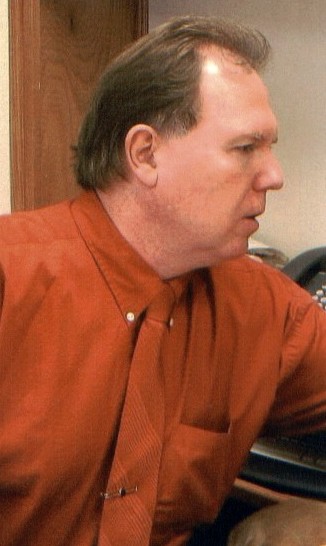
The latest episode of the Disability 411 podcast is hot off the press.
One of the big announcements is that the web site can be reached with an easier to remember address,
http://disability-411.com
.
Please make sure to notice the dash in the site’s address. Some address harvester had taken the even simpler to remember Disability411.com domain already, so it wasn’t available. And, if you have a bookmark for the old address,
http://disability411.jinkle.com,
don’t worry—that domain still works, too. Beth just tried to make it easier for listeners to remember.
And, no, I’m not plugging the show because it has a guest submission by yours truly. There is some fantastic news in
Episode 56
Of particular interest to Deaf consumers.
This show features an interview with Kelby Brick, of
GoAmerica.com,
Who discusses the latest news in Deaf communication, the ability for Deaf consumers to get 10-digit phone numbers.
If that doesn’t make sense, then check out Episode 56 and see why that is really big news. I think you’ll understand why this communication evolution is another technological step for the Deaf community. For further information about this historic breakthrough in videophone relay signing, check out
Kelby's announcement
on the Go America site.
Showing posts with label ASL. Show all posts
Showing posts with label ASL. Show all posts
Monday, August 25, 2008


Thursday, February 21, 2008
Library of Congress facillitates accessible communication for staff
To facilitate better communication between employees who are deaf and hard of hearing with their colleagues, the Library of Congress has just installed
New video relay technology,
Using videophones. Library officials claim this system to be superior to older TTY technologies.
According to the article,
“Using the new system, deaf or hard-of-hearing employees are either able to communicate directly with each other or transmit their message in ASL to an interpreter, who in turn relays the message in English to a hearing colleague via a standard phone line.” “
The new system, provided free of charge by Sorenson Communications, will benefit 17 of the library’s employees. Additionally, library officials hope that this model of private/public partnership that they’ve initiated with Sorenson will be emulated by other entities.
For additional information, you may want to also read the
Business Wire press release.
New video relay technology,
Using videophones. Library officials claim this system to be superior to older TTY technologies.
According to the article,
“Using the new system, deaf or hard-of-hearing employees are either able to communicate directly with each other or transmit their message in ASL to an interpreter, who in turn relays the message in English to a hearing colleague via a standard phone line.” “
The new system, provided free of charge by Sorenson Communications, will benefit 17 of the library’s employees. Additionally, library officials hope that this model of private/public partnership that they’ve initiated with Sorenson will be emulated by other entities.
For additional information, you may want to also read the
Business Wire press release.
Thursday, January 24, 2008
Hearing Parents Chose ASL: an article worth reading
I recently read a very interesting and well written blog post I’d like to share with you.
In
Hearing Parents Chose ASL
Mishka Zena explains what it was like for hearing parents facing the prospect of their infant girl who had just been diagnosed as deaf. They chose to learn ASL as a family and now that infant has grown into a 21-year old woman about to graduate from Gallaudet. The most critical information sources for helping them arrive at that decision, Mishka says, were , not the medical professionals, but rather the people who knew the most about being deaf—deaf people.
There are several noteworthy issues raised in this excellent post, reflecting the insight of one who knows the deaf world from the inside out. I would heartily recommend this piece as required reading for any DSS professional, particularly those who have had little or no exposure to the deaf culture.
In
Hearing Parents Chose ASL
Mishka Zena explains what it was like for hearing parents facing the prospect of their infant girl who had just been diagnosed as deaf. They chose to learn ASL as a family and now that infant has grown into a 21-year old woman about to graduate from Gallaudet. The most critical information sources for helping them arrive at that decision, Mishka says, were , not the medical professionals, but rather the people who knew the most about being deaf—deaf people.
There are several noteworthy issues raised in this excellent post, reflecting the insight of one who knows the deaf world from the inside out. I would heartily recommend this piece as required reading for any DSS professional, particularly those who have had little or no exposure to the deaf culture.
Friday, December 14, 2007
National Sign Language Interpreter Database: an idea whose time has come
Given the shortage of sign language interpreters, have you ever thought about a database that would list sign language interpreters and let you find those nearest you?
Think no more about it, as the National Sign Language Interpreter Database, or NSLID, is up and running. They have a searchable web site at
nlsid.com
According to the site, their purpose is to:
“Provide a free, national database of Sign Language Interpreters to improve the coordination and availability of support services on a local, state and national level.”
What's really neat is that this database works both ways, providing a listing of the interpreters to those who are seeking them, and also allows interpreters to list their services.
So, if you’re a sign language interpreter wanting to do some freelance work, you can post a listing with your contact information and also list the type of services you provide. (This also works great for agencies to list themselves so that anybody seeking services in their area can locate them.) There are areas to list one’s level of certification or specializations one may possess, such as theatrical or legal interpreting. Additionally, one can also post your pay scale by range and the distance you are willing to travel.
The site is not only about interpreting. The database also allows interpreters to list any specialized services they offer including speech-to-text providers such as C-print, Typewell, CART, as well as oral interpreting and cued speech interpreting.
Thanks to Bet Case of the
Disability 411 Podcast
for the information about this worthwhile database. Also, congratulations to Beth on her 50th podcast. We look forward to more D411 shows in the future.
Think no more about it, as the National Sign Language Interpreter Database, or NSLID, is up and running. They have a searchable web site at
nlsid.com
According to the site, their purpose is to:
“Provide a free, national database of Sign Language Interpreters to improve the coordination and availability of support services on a local, state and national level.”
What's really neat is that this database works both ways, providing a listing of the interpreters to those who are seeking them, and also allows interpreters to list their services.
So, if you’re a sign language interpreter wanting to do some freelance work, you can post a listing with your contact information and also list the type of services you provide. (This also works great for agencies to list themselves so that anybody seeking services in their area can locate them.) There are areas to list one’s level of certification or specializations one may possess, such as theatrical or legal interpreting. Additionally, one can also post your pay scale by range and the distance you are willing to travel.
The site is not only about interpreting. The database also allows interpreters to list any specialized services they offer including speech-to-text providers such as C-print, Typewell, CART, as well as oral interpreting and cued speech interpreting.
Thanks to Bet Case of the
Disability 411 Podcast
for the information about this worthwhile database. Also, congratulations to Beth on her 50th podcast. We look forward to more D411 shows in the future.
Subscribe to:
Posts (Atom)