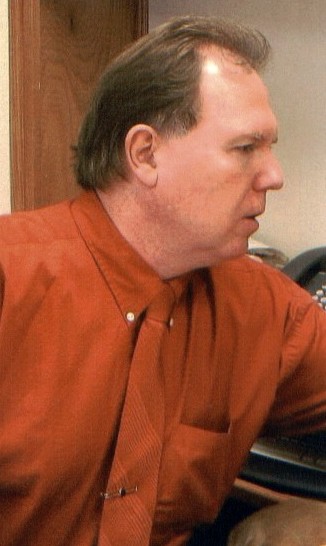
Beth Case, of the North Harris Montgomery County College District, is arguably one of the most respected and recognized names among DSS coordinators in Texas. She is a tireless and innovative advocate for students with disabilities. She initiated the
Disability 411 podcast
At a time when most people’s understanding of what a podcast was had something to do with the movie Invasion of the Body Snatchers.
In her latest outreach effort of information and resource sharing, Beth continues to expand networking efforts with the launch of the
Disability 411 blog.
The site informs,
“This is the blog that accompanies the Disability411 podcast, which can be found at http://disability411.jinkle.com. These are not show notes, but additional information and thoughts to enhance the podcast.”
In the field of DSS, a world where knowing your resources is so important, Accessability proudly welcomes Beth’s continuously expanding horizons. We welcome the valuable insight and wealth of experience the Disability 411 blog will certainly offer in the future.
Wednesday, November 29, 2006


Thursday, November 16, 2006
Pepnet has a new face, same mission
At the AHEAD in Texas conference, I attended a breakout session about
Pepnet,
The Postsecondary Education Programs Network. I was already familiar with the organization providing resources for services to the deaf and hard of hearing through my recent position, but learned a good bit more about it here.
There are now state clusters being served by the regional centers. Most clusters have three or four states, but because of Texas’ size, we are in a cluster with only one other state, Louisiana.
The breakout session was hosted by previous coordinator Beth Case, and turned over to Jenny, the new coordinator of our bluster. Jenny is the coordinator of the deaf and hard of hearing program at Louisiana State University. They emphasized that this is a new grant cycle and Jenny wants to hear from DSS coordinators on what concerns you have and also what you need to have in order to do your job more effectively. They want to hear from you.
She said one of the changes in Pepnet is that they are eyeing more cost effective methods of delivering outreach programs. This will include video conferencing instead of physical visits to campuses, which would also let Pepnet reach several campuses simultaneously instead of just one. She said other means they are considering to achieve more cost effective delivery are on-line chats, webcasts, and conferencing
Jenny stressed that while she is a new face in this position, the goals of Pepnet remain the same. These include providing technical assistance to postsecondary schools, doing independent living, doing career guidance with high school students, and working on a technical assistance network. She said she does a lot of tech assistance by IM, email, and phone. If she does not know the answer, she has five other coordinators to call upon. If the request is for local resources, she said she will go to people like Beth to help give her guidance.
There was good audience participation in discussing topics related to services to the deaf, including comparison of VRS and VRI, and balancing the use of CART and interpreters to best meet the needs of the student as well as the school. One of the points that the discussion highlighted was the shortage and need for qualified interpreters.
Much of the presentation hammered home the need to treat students as individuals. The student may read at a 5th grade level, which is above that required for CART services, but what if the student reads slowly? The student may do well with CART in one class and be better served in another class by an interpreter. Beth summed up that point by encouraging coordinators to not get locked in in offering only one service, but find what works best for the student in each setting. Jenny added that doing this helps manage the precious interpreter resources.
If you provide services to deaf students, it would serve you well to check out the Pepnet website. While there, sign up for the Pepnet Perspectives newsletter for the latest information from the group.
Pepnet,
The Postsecondary Education Programs Network. I was already familiar with the organization providing resources for services to the deaf and hard of hearing through my recent position, but learned a good bit more about it here.
There are now state clusters being served by the regional centers. Most clusters have three or four states, but because of Texas’ size, we are in a cluster with only one other state, Louisiana.
The breakout session was hosted by previous coordinator Beth Case, and turned over to Jenny, the new coordinator of our bluster. Jenny is the coordinator of the deaf and hard of hearing program at Louisiana State University. They emphasized that this is a new grant cycle and Jenny wants to hear from DSS coordinators on what concerns you have and also what you need to have in order to do your job more effectively. They want to hear from you.
She said one of the changes in Pepnet is that they are eyeing more cost effective methods of delivering outreach programs. This will include video conferencing instead of physical visits to campuses, which would also let Pepnet reach several campuses simultaneously instead of just one. She said other means they are considering to achieve more cost effective delivery are on-line chats, webcasts, and conferencing
Jenny stressed that while she is a new face in this position, the goals of Pepnet remain the same. These include providing technical assistance to postsecondary schools, doing independent living, doing career guidance with high school students, and working on a technical assistance network. She said she does a lot of tech assistance by IM, email, and phone. If she does not know the answer, she has five other coordinators to call upon. If the request is for local resources, she said she will go to people like Beth to help give her guidance.
There was good audience participation in discussing topics related to services to the deaf, including comparison of VRS and VRI, and balancing the use of CART and interpreters to best meet the needs of the student as well as the school. One of the points that the discussion highlighted was the shortage and need for qualified interpreters.
Much of the presentation hammered home the need to treat students as individuals. The student may read at a 5th grade level, which is above that required for CART services, but what if the student reads slowly? The student may do well with CART in one class and be better served in another class by an interpreter. Beth summed up that point by encouraging coordinators to not get locked in in offering only one service, but find what works best for the student in each setting. Jenny added that doing this helps manage the precious interpreter resources.
If you provide services to deaf students, it would serve you well to check out the Pepnet website. While there, sign up for the Pepnet Perspectives newsletter for the latest information from the group.
Access innovations in cell phones
Two advances in the world of cell phones may further empower students with disabilities in coming days.
First, a group of researchers in IBM’s Hampshire, England lab have created
LAMA, or Location Aware Messaging for Accessibility,
a service that will stream information in an accessible format over a user’s cell phone. This application would put PA announcements in busy places such as airports, train stations, or hospitals, into text format for hearing impaired users. This system can also be used to alert hearing impaired users to fire alarms, which was the original concept for its inception.
It’s easy to see how such a system might be integrated with a university’s fire alarm system and be able to instantly notify hearing impaired students or faculty of the emergency status in an effective and timely manner.
According to the original BBC news article, people with other disabilities may be able to use the application as well. Information that is printed may be transmitted in an audio format to somebody who is visually impaired.
The second piece of cell phone news is from Korea. However, if they are able to do this there, why not on a more global basis?
This cell phone is directed at people with either a visual impairment or dyslexia, according to the original article. LG Electronics has created a cell phone with the ability to
play and store audio books.
The phone requires users to submit government certification of their disability at the purchasing site. Once users have the phone, they can download books from the LG Electronics website.
Interesting concept there, LG.
While these two advents on cell phones may or may not be practical applications that aren’t already being provided by other items, like maybe , audio books on portable mp3 players, they do indicate that electronic firms are trying to innovate change in the world of access.
These two applications are not in the mainstream US market yet, but are a couple of access items to be aware of in the coming months.
First, a group of researchers in IBM’s Hampshire, England lab have created
LAMA, or Location Aware Messaging for Accessibility,
a service that will stream information in an accessible format over a user’s cell phone. This application would put PA announcements in busy places such as airports, train stations, or hospitals, into text format for hearing impaired users. This system can also be used to alert hearing impaired users to fire alarms, which was the original concept for its inception.
It’s easy to see how such a system might be integrated with a university’s fire alarm system and be able to instantly notify hearing impaired students or faculty of the emergency status in an effective and timely manner.
According to the original BBC news article, people with other disabilities may be able to use the application as well. Information that is printed may be transmitted in an audio format to somebody who is visually impaired.
The second piece of cell phone news is from Korea. However, if they are able to do this there, why not on a more global basis?
This cell phone is directed at people with either a visual impairment or dyslexia, according to the original article. LG Electronics has created a cell phone with the ability to
play and store audio books.
The phone requires users to submit government certification of their disability at the purchasing site. Once users have the phone, they can download books from the LG Electronics website.
Interesting concept there, LG.
While these two advents on cell phones may or may not be practical applications that aren’t already being provided by other items, like maybe , audio books on portable mp3 players, they do indicate that electronic firms are trying to innovate change in the world of access.
These two applications are not in the mainstream US market yet, but are a couple of access items to be aware of in the coming months.
Tuesday, November 14, 2006
On-line enrollment trends re-emphasize need for accessibility
It probably comes as no surprise that the
number of on-line students is increasing.
According to the ARS Technica news article linked above, there were approximately 3.2 million students who took at least one on-line class in the Fall 2005 semester. That is a jump of more than 1 million students compared to the same semester one year earlier.
With that fact in mind, it is imperative to make on-line learning accessible.
It takes a stronger sense of self discipline for students to achieve success in on-line classes. I would tend to think this sense can only be complicated when the students have a disability, much less when they encounter an inaccessible on-line class. If a student has a disability and the material is not in a format that provides access, he/she will spend valuable time attempting to resolve the technological dysfunction. The time to do this will take away from the already-tight time schedule the student has, trying to fix what should have already been fixed.
The increase is a trend that is very likely to continue for years to come. It re-emphasizes the points that noted ADA legal expert Salome Heyward made during her presentation at the AHEAD in Texas conference:
1. It is not just web access that needs to concern colleges and universities. The schools need to begin by looking closely at the contracts they are signing with vendors providing on-line material like WebCT and WebAssign.
2. Pay attention to the issue of access before signing the contract.
3. School administration needs to be aware of access concerns before they sign and commit the school.
4. If the administrators overseeing the contracts are not aware of access concerns, it is the duty of the ADA Coordinator/ DSS Coordinator to make them aware.
5. On-line programs such as WebCT and WebAssign are as accessible as they are designed to be. They can be made to be accessible.
6. Other items posted to these sites, such as lecture notes from individual professors, need to be put into an accessible format if they are not already in such.
As DSS cordinator, you can use your resources within AHEAD to help connect your school to experts to guide in this area. Like so many other things, it is all about knowing your resources.
number of on-line students is increasing.
According to the ARS Technica news article linked above, there were approximately 3.2 million students who took at least one on-line class in the Fall 2005 semester. That is a jump of more than 1 million students compared to the same semester one year earlier.
With that fact in mind, it is imperative to make on-line learning accessible.
It takes a stronger sense of self discipline for students to achieve success in on-line classes. I would tend to think this sense can only be complicated when the students have a disability, much less when they encounter an inaccessible on-line class. If a student has a disability and the material is not in a format that provides access, he/she will spend valuable time attempting to resolve the technological dysfunction. The time to do this will take away from the already-tight time schedule the student has, trying to fix what should have already been fixed.
The increase is a trend that is very likely to continue for years to come. It re-emphasizes the points that noted ADA legal expert Salome Heyward made during her presentation at the AHEAD in Texas conference:
1. It is not just web access that needs to concern colleges and universities. The schools need to begin by looking closely at the contracts they are signing with vendors providing on-line material like WebCT and WebAssign.
2. Pay attention to the issue of access before signing the contract.
3. School administration needs to be aware of access concerns before they sign and commit the school.
4. If the administrators overseeing the contracts are not aware of access concerns, it is the duty of the ADA Coordinator/ DSS Coordinator to make them aware.
5. On-line programs such as WebCT and WebAssign are as accessible as they are designed to be. They can be made to be accessible.
6. Other items posted to these sites, such as lecture notes from individual professors, need to be put into an accessible format if they are not already in such.
As DSS cordinator, you can use your resources within AHEAD to help connect your school to experts to guide in this area. Like so many other things, it is all about knowing your resources.
What's New in JAWS 8
If you've been wondering what the latest and greatest version of JAWS has in store, wonder no more. What’s New in JAWS 8 is now available. This is a downloadable zip file containing 10 mp3 files. In these audio files, two JAWS techies discuss each of the new features in JAWS 8
The file can be downloaded at the
JAWS Headquarters
web site. A quick head’s up—the file is 60 Mb.
The ten files are:
*1 Introduction
*2 Start Up Wizard
*3 Manage Application Settings
*4 Say All SAPI 5
*5 Alternate Say All
*6 Web Resources
*7 Smart Word Reading
*8 IE7 Tips and Tricks
*9 JAWS Find
10* Virtualize Window Controller Frame
You will notice that the one file indicates the SAPI5 speech engine. Freedom Scientific is including a CD of SAPI5 voice files to use when using the “Say All” command. (However, if you download JAWS 8 from the web, you will not get the files.) If you are using the “Say All” command as it has been used in the past and have installed the SAPI files, you will hear it read in the more human-sounding voice that the SAPI speech engine provides. Hence, you’ll also note there is also the file for “Alternate Say All,” which will let you continue using the normal JAWS Eloquence speech engine for using the “Say All” command.
I’ve almost completed listening to the What’s New files. On a personal note, I have to say that the advances that bring access to Internet Explorer 7 are the most intriguing aspect of JAWS 8 and have me very eager for this update. I believe IE7 will make using the web a lot more enjoyable and JAWS 8 is what is going to make that accessible.
If past behavior is any indicator, posting the What’s New files on-line means the new version is within 1-2 weeks of being shipped. This would also agree with what the Freedom Scientific rep told me this past week at the AHEAD in Texas conference.
The file can be downloaded at the
JAWS Headquarters
web site. A quick head’s up—the file is 60 Mb.
The ten files are:
*1 Introduction
*2 Start Up Wizard
*3 Manage Application Settings
*4 Say All SAPI 5
*5 Alternate Say All
*6 Web Resources
*7 Smart Word Reading
*8 IE7 Tips and Tricks
*9 JAWS Find
10* Virtualize Window Controller Frame
You will notice that the one file indicates the SAPI5 speech engine. Freedom Scientific is including a CD of SAPI5 voice files to use when using the “Say All” command. (However, if you download JAWS 8 from the web, you will not get the files.) If you are using the “Say All” command as it has been used in the past and have installed the SAPI files, you will hear it read in the more human-sounding voice that the SAPI speech engine provides. Hence, you’ll also note there is also the file for “Alternate Say All,” which will let you continue using the normal JAWS Eloquence speech engine for using the “Say All” command.
I’ve almost completed listening to the What’s New files. On a personal note, I have to say that the advances that bring access to Internet Explorer 7 are the most intriguing aspect of JAWS 8 and have me very eager for this update. I believe IE7 will make using the web a lot more enjoyable and JAWS 8 is what is going to make that accessible.
If past behavior is any indicator, posting the What’s New files on-line means the new version is within 1-2 weeks of being shipped. This would also agree with what the Freedom Scientific rep told me this past week at the AHEAD in Texas conference.
Monday, November 13, 2006
Post-conference thoughts; RFB&D going digital...soon!
I have just returned from the AHEAD in Texas annual fall conference, held last week in San Marcos. It was good to spend time with some old friends and co-workers to discuss current issues facing the DSS field.
Overall, I enjoyed myself and networked with some sharp professionals in the field. I am still sorting through the notes and information I gathered on the trip. When I have made progress towards this end, I will post some of this information here.
There is one thing in particular that I learned about and want to make sure you are aware of. If you or your institution are subscribers to
Recording for the Blind and Dyslexic
Or RFB&D, as they are commonly called, make sure that you note the date when they are going digital.
As of July, 2007, the books provided by RFB&D will only be available in the DAISY digital audio format. This means that the 4-track cassette players you or your students have will no longer play books from RFB&D after that date.
The discontinuation of cassette tapes is a move that has been in progress for a couple of years, but is quickly approaching full fruition. The advent of digital technology has brought the service provided by this organization to the modern age.
If you still have 4-track cassette players sitting around your office, , don’t despair. There may still be a need for them, because the Texas State Library, which also provides talking books for those with print disabilities is not converting its library to a digital file format. They will still continue using 4-track cassette tapes, so those highly specialized players you have may still be of some use.
However, if you continue using RFB&D as a provider of books in an accessible format, you will need a DAISY reader, if you don’t already have one. These players are available in both software and hardware versions.
I’ll be back here soon to post information and thoughts from the AHEAD in Texas conference.
Overall, I enjoyed myself and networked with some sharp professionals in the field. I am still sorting through the notes and information I gathered on the trip. When I have made progress towards this end, I will post some of this information here.
There is one thing in particular that I learned about and want to make sure you are aware of. If you or your institution are subscribers to
Recording for the Blind and Dyslexic
Or RFB&D, as they are commonly called, make sure that you note the date when they are going digital.
As of July, 2007, the books provided by RFB&D will only be available in the DAISY digital audio format. This means that the 4-track cassette players you or your students have will no longer play books from RFB&D after that date.
The discontinuation of cassette tapes is a move that has been in progress for a couple of years, but is quickly approaching full fruition. The advent of digital technology has brought the service provided by this organization to the modern age.
If you still have 4-track cassette players sitting around your office, , don’t despair. There may still be a need for them, because the Texas State Library, which also provides talking books for those with print disabilities is not converting its library to a digital file format. They will still continue using 4-track cassette tapes, so those highly specialized players you have may still be of some use.
However, if you continue using RFB&D as a provider of books in an accessible format, you will need a DAISY reader, if you don’t already have one. These players are available in both software and hardware versions.
I’ll be back here soon to post information and thoughts from the AHEAD in Texas conference.
Friday, November 03, 2006
Combatting Autism Act of 2006
The fight for funding for autism research is on-going.
A news article in today’s Houston Chronicle about the
Combatting Autism Act
also contains some good statistical information about the explosive growth in diagnoses of children with autism spectrum disorders.
Does the six-fold increase in nine years documented by the Centers for Disease Control mean better diagnoses are being performed or that there are more children being born with the disease? You and I are not experts, and the only way to find out possible answers to that question is to conduct more research to understand what is going on.
If you haven’t heard of the Combatting Autism Act, , then take a little time to read the article and enlighten yourself. While reading that, note the number of Americans with autism—1.5 million. Yes, that’s accounting for the whole spectrum, but some of these people are or will someday be attending college classes.
If your office’s caseload has not been impacted yet, hang on. I predict the growth in these diagnoses will impact all DSS offices in coming years, no matter what the outcome of the Combatting Autism Act is.
A news article in today’s Houston Chronicle about the
Combatting Autism Act
also contains some good statistical information about the explosive growth in diagnoses of children with autism spectrum disorders.
Does the six-fold increase in nine years documented by the Centers for Disease Control mean better diagnoses are being performed or that there are more children being born with the disease? You and I are not experts, and the only way to find out possible answers to that question is to conduct more research to understand what is going on.
If you haven’t heard of the Combatting Autism Act, , then take a little time to read the article and enlighten yourself. While reading that, note the number of Americans with autism—1.5 million. Yes, that’s accounting for the whole spectrum, but some of these people are or will someday be attending college classes.
If your office’s caseload has not been impacted yet, hang on. I predict the growth in these diagnoses will impact all DSS offices in coming years, no matter what the outcome of the Combatting Autism Act is.
Disability is no reason not to vote
With the 2006 election season climaxing next week, it is imperative that we all get out and vote. If you are a registered voter and have not voted early, remember to do so on Tuesday. With the advents in physical and technological access to the polls, there is no reason for anybody of voting age not to use this right so many Americans have given their lives to protect.
This year’s election is supposed to have a good number of the electronic voting machines in place. These machines were originally intended to automate and simplify the voting process so we might all avoid a repeat of the hanging chad showdown of the 2000 presidential elections. However these machines were also heralded as revolutionary because they also had the ability to employ a screen reader and let the blind voters cast their secret ballot independently.
Personally speaking, I’ve had some experience with the electronic voting systems in the past two elections, neither of which went well and resorted to me using sighted assistance instead of the speech output that was supposed to make these devices so landmark. However, I’ll gladly work through the hassles of staff who have only cursory training on the speech technology again to have my vote count, even if we can’t get the machine to work and have to revert to a sighted person helping me.
A good discussion of the movement towards disability access at the poll is titled, “I Can’t Sing and I can’t Dance but I can vote,” written by Cass Irvin. The brief essay can be viewed at
Fred’s Head Companion,
A blog from the American Printing House for the Blind.
The bottom line is that a disability should never keep somebody from voting. There is too much legislation that affects disability programs and funding. Please encourage your students to participate in the election process.
This year’s election is supposed to have a good number of the electronic voting machines in place. These machines were originally intended to automate and simplify the voting process so we might all avoid a repeat of the hanging chad showdown of the 2000 presidential elections. However these machines were also heralded as revolutionary because they also had the ability to employ a screen reader and let the blind voters cast their secret ballot independently.
Personally speaking, I’ve had some experience with the electronic voting systems in the past two elections, neither of which went well and resorted to me using sighted assistance instead of the speech output that was supposed to make these devices so landmark. However, I’ll gladly work through the hassles of staff who have only cursory training on the speech technology again to have my vote count, even if we can’t get the machine to work and have to revert to a sighted person helping me.
A good discussion of the movement towards disability access at the poll is titled, “I Can’t Sing and I can’t Dance but I can vote,” written by Cass Irvin. The brief essay can be viewed at
Fred’s Head Companion,
A blog from the American Printing House for the Blind.
The bottom line is that a disability should never keep somebody from voting. There is too much legislation that affects disability programs and funding. Please encourage your students to participate in the election process.
Wednesday, November 01, 2006
JAMA study on rates of suicide attempts by blacks
There is a new study being published today in the Journal of the American Medical Association that is interesting as it is the first nationally representative study of the incident rate of
suicide attempts among blacks.
According to the report:
* Nearly 70,000 blacks attempt suicide annually
*Nearly 1.4 Million Blacks or 4% attempt suicide at least once in their lifetime
That 4% lifetime rate stands out, as previous surveys had shown that 2.8% of blacks had attempted suicide at least once in their lifetime. At 4%, this is similar to rates among whites.
This research flies in the face of other work that has shown lifetime rates among whites was nearly twice that of blacks.
Make what you want of these statistics. I offer them here for discussion and, hopefully, to stimulate thought.
suicide attempts among blacks.
According to the report:
* Nearly 70,000 blacks attempt suicide annually
*Nearly 1.4 Million Blacks or 4% attempt suicide at least once in their lifetime
That 4% lifetime rate stands out, as previous surveys had shown that 2.8% of blacks had attempted suicide at least once in their lifetime. At 4%, this is similar to rates among whites.
This research flies in the face of other work that has shown lifetime rates among whites was nearly twice that of blacks.
Make what you want of these statistics. I offer them here for discussion and, hopefully, to stimulate thought.
Tuesday, October 31, 2006
Keyboard Guides available for Internet Explorer 7
Change is expected and with technology, it is most certain.
Internet Explorer 7 is available now and, as I’ve cautioned previously, incompatible with older versions of assistive technology. However, we will all eventually switch to the safer and more advanced IE7 whether we want to or not.
The redesign of IE7 has included new keystroke commands that will impact the way users of screen readers navigate the browser. If you want a peek at some of the new keystroke combinationss, go to the post by Kelly Ford on the IEBlog at:
http://blogs.msdn.com/ie/archive/2006/06/30/652785.aspx
Then, if you want more, check out The Keyboard Lover’s Guide to IE7 at:
http://blogs.msdn.com/ie/archive/2006/02/08/527702.aspx
I've looked over these guides, and as a keyboard user for nine years, all I can say right now is, ”Oh boy!” (Note that is a feeling of dread, not excitement causing that exclamation mark.)
Internet Explorer 7 is available now and, as I’ve cautioned previously, incompatible with older versions of assistive technology. However, we will all eventually switch to the safer and more advanced IE7 whether we want to or not.
The redesign of IE7 has included new keystroke commands that will impact the way users of screen readers navigate the browser. If you want a peek at some of the new keystroke combinationss, go to the post by Kelly Ford on the IEBlog at:
http://blogs.msdn.com/ie/archive/2006/06/30/652785.aspx
Then, if you want more, check out The Keyboard Lover’s Guide to IE7 at:
http://blogs.msdn.com/ie/archive/2006/02/08/527702.aspx
I've looked over these guides, and as a keyboard user for nine years, all I can say right now is, ”Oh boy!” (Note that is a feeling of dread, not excitement causing that exclamation mark.)
Monday, October 30, 2006
Gallaudet University update...board rejects incoming president
To update you,
Gallaudet University's Board has voted to search for a new president.
This means the student protests over the past three weeks were successful and, in response, the board has Rejected Incoming President Jane Fernandes.
There is still something to be said for student activism and standing up for what one is passionate about in today's world. The students from Gallaudet, the only U.S. liberal arts college for the deaf, can testify that their voices acting in unity made a difference, and, pardon the pun, did not fall on deaf ears. It will be interesting to see which direction the search for the next university president heads.
Gallaudet University's Board has voted to search for a new president.
This means the student protests over the past three weeks were successful and, in response, the board has Rejected Incoming President Jane Fernandes.
There is still something to be said for student activism and standing up for what one is passionate about in today's world. The students from Gallaudet, the only U.S. liberal arts college for the deaf, can testify that their voices acting in unity made a difference, and, pardon the pun, did not fall on deaf ears. It will be interesting to see which direction the search for the next university president heads.
Some thoughts on assistive technology
Forgive me if the posts in the next few weeks lean a little heavier toward access technology, but the release of Internet Explorer 7 and pending release of Windows Vista are of particular interest, and will be greatly impacting, to those who rely on screen readers and magnifiers.
I just read a very good rant/discussion about
The truth about Windows Vista and the assistive technology industry
By Ranger1138 on
The Ranger Station, a blog written by “some dude in the assistive technology field.”
Ranger1138 brings up some good points about Microsoft’s approach to accessibility, costs of assistive technology, and how Microsoft is not the big, bad evil corporation, as many allege, but has, instead, provided the Windows platform that laid the foundation for uniformity in operating systems that has given blind folks the ability to use assistive technology to market themselves in the workplace today.
Another aspect of assistive technology I want to throw out today is open source. Are you familiar with open source software? It is a community approach to software development and has led to many innovations in the computer industry. Linux is the open source operating system. The code that makes open source software work is just that, open, and lets any software engineer work with it to tweak it as part of a bigger team. The added incentive is that many open source applications are free, or nearly free.
You may not know it, but there is an open source screen reader and magnifier program called
Orca.
The engineers working on the Orca project are seeking input from users on what the program needs. The engineers will base their design on the input they receive.
In the Carroll Tech blog,
All About Access,
Joanie Diggs attempts to figure out why blind computer users are not participating in this ambitious and promising project. She seems flustered that the blind people who would benefit most are not providing input for the engineers who want to build a product that the group needs.
While her argument that this model of open source development is different than the current model in how blind users acquire assistive technology may have some merit, I think that the larger group of blind computer users either do not know about Orca or do not feel that they are tech-savvy enough to install and use the software, much less provide feedback on what it needs.
Thoughts?
I just read a very good rant/discussion about
The truth about Windows Vista and the assistive technology industry
By Ranger1138 on
The Ranger Station, a blog written by “some dude in the assistive technology field.”
Ranger1138 brings up some good points about Microsoft’s approach to accessibility, costs of assistive technology, and how Microsoft is not the big, bad evil corporation, as many allege, but has, instead, provided the Windows platform that laid the foundation for uniformity in operating systems that has given blind folks the ability to use assistive technology to market themselves in the workplace today.
Another aspect of assistive technology I want to throw out today is open source. Are you familiar with open source software? It is a community approach to software development and has led to many innovations in the computer industry. Linux is the open source operating system. The code that makes open source software work is just that, open, and lets any software engineer work with it to tweak it as part of a bigger team. The added incentive is that many open source applications are free, or nearly free.
You may not know it, but there is an open source screen reader and magnifier program called
Orca.
The engineers working on the Orca project are seeking input from users on what the program needs. The engineers will base their design on the input they receive.
In the Carroll Tech blog,
All About Access,
Joanie Diggs attempts to figure out why blind computer users are not participating in this ambitious and promising project. She seems flustered that the blind people who would benefit most are not providing input for the engineers who want to build a product that the group needs.
While her argument that this model of open source development is different than the current model in how blind users acquire assistive technology may have some merit, I think that the larger group of blind computer users either do not know about Orca or do not feel that they are tech-savvy enough to install and use the software, much less provide feedback on what it needs.
Thoughts?
Friday, October 27, 2006
Accessible World offers resources and on-line diabetes symposium
AccessAbility has recently learned of another great location for blind and visually impaired resources.
Accessible World
Has a good selection of information related to accessible computing, as well as other areas of interest to the blind and visually impaired. There is an archive of technology training podcasts and also have list-serves on various topics.
Coming up on Monday, Oct. 30, there is a training session on scanning with the OmniPage program.
With the assortment of physical complications that are associated with diabetes, it is notable that they are about to host the First International Virtual Audio online Symposium on Diabetes.
The details from their web site about this event are as follows:
Helping Hands for the Blind
and The Accessible World Symposiums have formed a partnership whose main goal is to produce the first “On-Line" Symposium on Diabetes around the world scheduled for Wednesday, November 8, 2006 from 10 A.M. to 3 P.M. PST.
We have scheduled such prominent speakers as Gretchen Becker who wrote the Book "Living with Type 2 Diabetes," Dr. Bernard Mahaver who will discuss the various drugs in use to control Diabetes, an Endocrinologist from UCLA, and Finally, Dr. Anne Williams, a noted Diabetic Educator who will discuss Research and Trends in Diabetic care. The program will be followed by a discussion period with the Audience having an opportunity to ask questions of the guests and committee members.
> To participate in this interactive online event, you will need a computer running Windows, an Internet connection, speakers, a microphone and a sound card. Various agencies serving blind and visually impaired individuals in the United States and other strategic countries will also be providing a computer and space for blind and visually impaired persons who are not computer literate or do not have a computer at home to join this symposium.
However, it must be noted that anyone who has Diabetes or knows someone who does can also join this symposium.
To access the online conference room, go to:
http://www.accessibleworld.org
and select the Auditorium link.
**Note: The Helping Hands for the Blind web site linked above has more links and services that may be of interest to your vlind and visually impaired students. Most notably, Helping Hands claims to provide financial grants to blind students and also help in transportation.
Accessible World
Has a good selection of information related to accessible computing, as well as other areas of interest to the blind and visually impaired. There is an archive of technology training podcasts and also have list-serves on various topics.
Coming up on Monday, Oct. 30, there is a training session on scanning with the OmniPage program.
With the assortment of physical complications that are associated with diabetes, it is notable that they are about to host the First International Virtual Audio online Symposium on Diabetes.
The details from their web site about this event are as follows:
Helping Hands for the Blind
and The Accessible World Symposiums have formed a partnership whose main goal is to produce the first “On-Line" Symposium on Diabetes around the world scheduled for Wednesday, November 8, 2006 from 10 A.M. to 3 P.M. PST.
We have scheduled such prominent speakers as Gretchen Becker who wrote the Book "Living with Type 2 Diabetes," Dr. Bernard Mahaver who will discuss the various drugs in use to control Diabetes, an Endocrinologist from UCLA, and Finally, Dr. Anne Williams, a noted Diabetic Educator who will discuss Research and Trends in Diabetic care. The program will be followed by a discussion period with the Audience having an opportunity to ask questions of the guests and committee members.
> To participate in this interactive online event, you will need a computer running Windows, an Internet connection, speakers, a microphone and a sound card. Various agencies serving blind and visually impaired individuals in the United States and other strategic countries will also be providing a computer and space for blind and visually impaired persons who are not computer literate or do not have a computer at home to join this symposium.
However, it must be noted that anyone who has Diabetes or knows someone who does can also join this symposium.
To access the online conference room, go to:
http://www.accessibleworld.org
and select the Auditorium link.
**Note: The Helping Hands for the Blind web site linked above has more links and services that may be of interest to your vlind and visually impaired students. Most notably, Helping Hands claims to provide financial grants to blind students and also help in transportation.
Thursday, October 26, 2006
Gallaudet University demonstration news and links
An update on the student protest at Gallaudet University.
The demonstration against the incoming university president has now been going for more than 20 days. In the last week, several students, and faculty members who support them, walked en mass to Capitol Hill to call upon three U.S. senators who are on the university’s board, asking them to intervene on their behalf. Yesterday,
university officials brought in heavy equipment
to gain access to gates the students have taken control of to deny access to the campus.
Acording to the Associated Press story:
“Gallaudet University maintenance workers cut a chain that was being used to block a side entrance and used a construction vehicle to move a tent city the students had built, protest leaders said. Other protesters then used their cars to block the gate again.”
If you want to view images of the student unrest, Yahoo has a
slide show
chronicling the on-going protest.
A good discussion on the
sense of identity,
so strongly tied to the deaf community and central to this demonstration, is presented by Washington D.C. columnist Clarence Page. In his latest column, Page also offers a quick primer on the background of the current situation at Gallaudet.
While we should all applaud passion and students standing up for what they believe, I would predict the outcome of this demonstration will be for naught. The protesters have given reasons against the incoming president, Jane Fernandes,to cite her as being unqualified for the job, but the underlying reason is that the students, and many of the faculty, think she is not deaf enough. I understand passion and identity, but that is not a disqualifier folks.
The demonstration against the incoming university president has now been going for more than 20 days. In the last week, several students, and faculty members who support them, walked en mass to Capitol Hill to call upon three U.S. senators who are on the university’s board, asking them to intervene on their behalf. Yesterday,
university officials brought in heavy equipment
to gain access to gates the students have taken control of to deny access to the campus.
Acording to the Associated Press story:
“Gallaudet University maintenance workers cut a chain that was being used to block a side entrance and used a construction vehicle to move a tent city the students had built, protest leaders said. Other protesters then used their cars to block the gate again.”
If you want to view images of the student unrest, Yahoo has a
slide show
chronicling the on-going protest.
A good discussion on the
sense of identity,
so strongly tied to the deaf community and central to this demonstration, is presented by Washington D.C. columnist Clarence Page. In his latest column, Page also offers a quick primer on the background of the current situation at Gallaudet.
While we should all applaud passion and students standing up for what they believe, I would predict the outcome of this demonstration will be for naught. The protesters have given reasons against the incoming president, Jane Fernandes,to cite her as being unqualified for the job, but the underlying reason is that the students, and many of the faculty, think she is not deaf enough. I understand passion and identity, but that is not a disqualifier folks.
Wednesday, October 25, 2006
Google Scholar: An accessible resource
It is the philosophy of AccessAbility that a truly good and useful resource is one that is readily accessible to all users. It is this aspect that makes
Google Scholar
A good and useful resource for students with disabilities.
Of course, the name Google tells you the power behind the technology that is providing the service. Now, the Google folks have taken their search capabilities and web savvy, applying them to scholarly literature.
One more aspect of accessibility that this database offers is that any computer can access it. Users are not restricted to only using the computers in the campus library nor do they have to be using a computer that is part of the campus network, as is required by many subscription databases that some schools use. Being that Google Scholar is web-based, they can search scholarly research from any computer with internet access. This gives users of assistive technology the ability to do independent searches of the wide compendium of archived work this powerful database offers. There is no longer the need to find somebody to assist in using the restricted campus computers that do not have assistive technology.
As a former university student who often experienced access difficulty when researching scholarly literature at the college libraries, I applaud this move by the 800-pound gorilla of the information age. I wish this technology had been around when I was working on those many research papers that were required for my classes.
The Google Scholar web site offers the following description of the services it provides:
What is Google Scholar?
“Google Scholar provides a simple way to broadly search for scholarly literature. From one place, you can search across many disciplines and sources: peer-reviewed papers, theses, books, abstracts and articles, from academic publishers, professional societies, preprint repositories, universities and other scholarly organizations. Google Scholar helps you identify the most relevant research across the world of scholarly research.”
Features of Google Scholar
“• Search diverse sources from one convenient place
• Find papers, abstracts and citations
• Locate the complete paper through your library or on the web
• Learn about key papers in any area of research”
How are articles ranked?
“Google Scholar aims to sort articles the way researchers do, weighing the full text of each article, the author, the publication in which the article appears, and how often the piece has been cited in other scholarly literature. The most relevant results will always appear on the first page.”
Now, as with any other resource, don’t keep Google Scholar to yourself. Share it with others who need it as well.
Google Scholar
A good and useful resource for students with disabilities.
Of course, the name Google tells you the power behind the technology that is providing the service. Now, the Google folks have taken their search capabilities and web savvy, applying them to scholarly literature.
One more aspect of accessibility that this database offers is that any computer can access it. Users are not restricted to only using the computers in the campus library nor do they have to be using a computer that is part of the campus network, as is required by many subscription databases that some schools use. Being that Google Scholar is web-based, they can search scholarly research from any computer with internet access. This gives users of assistive technology the ability to do independent searches of the wide compendium of archived work this powerful database offers. There is no longer the need to find somebody to assist in using the restricted campus computers that do not have assistive technology.
As a former university student who often experienced access difficulty when researching scholarly literature at the college libraries, I applaud this move by the 800-pound gorilla of the information age. I wish this technology had been around when I was working on those many research papers that were required for my classes.
The Google Scholar web site offers the following description of the services it provides:
What is Google Scholar?
“Google Scholar provides a simple way to broadly search for scholarly literature. From one place, you can search across many disciplines and sources: peer-reviewed papers, theses, books, abstracts and articles, from academic publishers, professional societies, preprint repositories, universities and other scholarly organizations. Google Scholar helps you identify the most relevant research across the world of scholarly research.”
Features of Google Scholar
“• Search diverse sources from one convenient place
• Find papers, abstracts and citations
• Locate the complete paper through your library or on the web
• Learn about key papers in any area of research”
How are articles ranked?
“Google Scholar aims to sort articles the way researchers do, weighing the full text of each article, the author, the publication in which the article appears, and how often the piece has been cited in other scholarly literature. The most relevant results will always appear on the first page.”
Now, as with any other resource, don’t keep Google Scholar to yourself. Share it with others who need it as well.
Friday, October 20, 2006
Wiki model applied to Assistive Technology
For those who are web savvy, and already understand the concept of
Wikipedia,
the free, on-line encyclopedia that is authored by the very readers it serves, then there is an advent in the assistive technology world that may be of interest to you.
On Wikipedia, the articles are written by its users and readers are encouraged to update listings with knowledge they possess which may flesh out the entries. What makes it so useful is that it is completely searchable.
Wikipedia’s grass roots authoring model is now being applied by the folks at the Georgia Tech Center for Assistive Technology and Environmental Access. They have launched
ATWiki,
An encyclopedia of assistive technology. They currently have 54 articles and are seeking input of more from professionals in the AT field.
Check it out. The site is a good resource for anybody working with people who use assistive technology, those they serve, and AT professionals. And, if you are knowledgeable in AT and have something to contribute, get to work and start writing.
Wikipedia,
the free, on-line encyclopedia that is authored by the very readers it serves, then there is an advent in the assistive technology world that may be of interest to you.
On Wikipedia, the articles are written by its users and readers are encouraged to update listings with knowledge they possess which may flesh out the entries. What makes it so useful is that it is completely searchable.
Wikipedia’s grass roots authoring model is now being applied by the folks at the Georgia Tech Center for Assistive Technology and Environmental Access. They have launched
ATWiki,
An encyclopedia of assistive technology. They currently have 54 articles and are seeking input of more from professionals in the AT field.
Check it out. The site is a good resource for anybody working with people who use assistive technology, those they serve, and AT professionals. And, if you are knowledgeable in AT and have something to contribute, get to work and start writing.
Thursday, October 19, 2006
Updated: Head's up! IE7 is coming
If you haven’t heard about the upcoming, imminent release of Internet Explorer 7, then let me be the first to tell you.
IE7is coming and will be sent to you in a manner you aren’t used to getting new software. This latest incarnation, touted to be the best and moste secure web browser Microsoft has made, will be coming to you via your computer’s automatic updates feature. Yes, your pc will automatically download IE7.
So, why am I writing about this on AccessAbility?
The reason is simple. IE7 will hit the automatic update circuit somewhere around November 1 and unless one is running the latest versions of many of the assistive software programs, blind and visually impaired computer users will have difficulty interacting with it. This will effectively shutt out those who rely on older versions of assistive technology to get information from the web. This could be you, if you use an older version of a screen reader or magnifier, but will also impact any of your students who use these either on campus or at home.
You will notice I directed the impact on students to computers on campus and home. Think about which computers you have on campus that are equipped with a screen reader or magnifier. If those computers are set to automatic updates, they will be affected. Installing IE7 may exclude the very students these computers are set up to accommodate. Also, it may be a good idea to give your students a head’s up so they can take action on their personal machine at home before Nov. 1 rolls around.
To help guide you through this troublesome period of upgrades, I offer the following from Rehabilitation Engineer Geoff Howard. This was originally posted on the NHBlind-Talk list.
• If your computer is set to automatically download and install critical updates, you could turn on your computer some morning and find that you’ve been updated. The current versions of most assistive technology products are not fully compatible with Internet Explorer 7.
• My first recommendation is to set the automatic updates feature to “Notify me but don’t automatically download or install”. This can be found in the Control Panel, under Automatic Updates. You’ll be able to view a list of available updates as they are released, just make sure not to choose the Internet Explorer 7 update yet.
• Internet Explorer 7 turns on “Clear Type” by default, which may cause some video corruption for large print users. This can be turned off in the Internet Options, Advanced Tab.
• ZoomText users: Ai Squared working on ZoomText version 9.04. This will be a free update to users of the version 9 product. Version 9.04 will be compatible with Internet Explorer 7. The release is expected in November. You can check for the update in ZoomText by going to “Check for Program Updates” in the ZoomText programs help menu.
• JAWS Users: JAWS 7.0 and earlier do not support Internet Explorer 7. JAWS 7.10 is recommended for testing, but JAWS will not be fully optimized for Internet Explorer 7 until the release of JAWS 8.0.
• MAGic Users: Version 9.50 and later can be tested with Internet Explorer 7.
• Window-Eyes: GW Micro has some registry tweaks for some items that they have found in IE 7. Information can be found in the knowledge base section of their web site. They detail support for IE 7 in the information section for beta 6, which can be found at
http://www.gwmicro.com/News_&_Events/Latest_News/?newsNo=45
UPDATE:
Wayne Merritt, a technology trainer at the Texas training center for the blind read this post and added the following.
“From what I understand, there will be a prompt that asks you if you want to install the new IE right now (or whenever you see it), later, or not at all.
You will be able to select a choice and go on from there. Thus, is not necessary, nor recommended in my view anyway, to alter how automatic updates behave.
Microsoft uses this facility to issue updates to what it defines as critical security flaws in its software. Changing how you receive automatic updates could prevent you from getting one of these security udpates, thus putting your system at risk. So, the bottom line, if you don't have a current version of the appropriate screen reader that supports IE 7, you will be able to choose to install it later, or not at all. Also, JAWS 8.0 and Window Eyes 6.0 will be able to be used with IE 7. JAWS 8 should be out sometime this month, and I'm not sure about Window Eyes. Check the GW Micro website
for more details.”
Thanks for the added insight Wayne
IE7is coming and will be sent to you in a manner you aren’t used to getting new software. This latest incarnation, touted to be the best and moste secure web browser Microsoft has made, will be coming to you via your computer’s automatic updates feature. Yes, your pc will automatically download IE7.
So, why am I writing about this on AccessAbility?
The reason is simple. IE7 will hit the automatic update circuit somewhere around November 1 and unless one is running the latest versions of many of the assistive software programs, blind and visually impaired computer users will have difficulty interacting with it. This will effectively shutt out those who rely on older versions of assistive technology to get information from the web. This could be you, if you use an older version of a screen reader or magnifier, but will also impact any of your students who use these either on campus or at home.
You will notice I directed the impact on students to computers on campus and home. Think about which computers you have on campus that are equipped with a screen reader or magnifier. If those computers are set to automatic updates, they will be affected. Installing IE7 may exclude the very students these computers are set up to accommodate. Also, it may be a good idea to give your students a head’s up so they can take action on their personal machine at home before Nov. 1 rolls around.
To help guide you through this troublesome period of upgrades, I offer the following from Rehabilitation Engineer Geoff Howard. This was originally posted on the NHBlind-Talk list.
• If your computer is set to automatically download and install critical updates, you could turn on your computer some morning and find that you’ve been updated. The current versions of most assistive technology products are not fully compatible with Internet Explorer 7.
• My first recommendation is to set the automatic updates feature to “Notify me but don’t automatically download or install”. This can be found in the Control Panel, under Automatic Updates. You’ll be able to view a list of available updates as they are released, just make sure not to choose the Internet Explorer 7 update yet.
• Internet Explorer 7 turns on “Clear Type” by default, which may cause some video corruption for large print users. This can be turned off in the Internet Options, Advanced Tab.
• ZoomText users: Ai Squared working on ZoomText version 9.04. This will be a free update to users of the version 9 product. Version 9.04 will be compatible with Internet Explorer 7. The release is expected in November. You can check for the update in ZoomText by going to “Check for Program Updates” in the ZoomText programs help menu.
• JAWS Users: JAWS 7.0 and earlier do not support Internet Explorer 7. JAWS 7.10 is recommended for testing, but JAWS will not be fully optimized for Internet Explorer 7 until the release of JAWS 8.0.
• MAGic Users: Version 9.50 and later can be tested with Internet Explorer 7.
• Window-Eyes: GW Micro has some registry tweaks for some items that they have found in IE 7. Information can be found in the knowledge base section of their web site. They detail support for IE 7 in the information section for beta 6, which can be found at
http://www.gwmicro.com/News_&_Events/Latest_News/?newsNo=45
UPDATE:
Wayne Merritt, a technology trainer at the Texas training center for the blind read this post and added the following.
“From what I understand, there will be a prompt that asks you if you want to install the new IE right now (or whenever you see it), later, or not at all.
You will be able to select a choice and go on from there. Thus, is not necessary, nor recommended in my view anyway, to alter how automatic updates behave.
Microsoft uses this facility to issue updates to what it defines as critical security flaws in its software. Changing how you receive automatic updates could prevent you from getting one of these security udpates, thus putting your system at risk. So, the bottom line, if you don't have a current version of the appropriate screen reader that supports IE 7, you will be able to choose to install it later, or not at all. Also, JAWS 8.0 and Window Eyes 6.0 will be able to be used with IE 7. JAWS 8 should be out sometime this month, and I'm not sure about Window Eyes. Check the GW Micro website
for more details.”
Thanks for the added insight Wayne
Wednesday, October 18, 2006
Disability and employment resources
Being this is National Disability Employment Awareness Month, it seems logical to build on this theme a bit. To this end, I offer some resources.
First, think about the history of disabilities in the U.S. and the impact they have had. If you were like myself, and found that you were not well versed in the history of disabilities, check out
The Minnesota Governor's Council on Developmental Disabilities web site.
The site is very in-depth, with a link to Parallels in Time, a comprehensive six-hour history of disabilities. There is also a link to The Learning Center, with a catalog of more than 10,000 pages of documents pertaining to disabilities from 1976-1997. While these two links alone have a plethora of information that can consume several hours of time, consider the wealth of resources these give you for disability resources, especially when they are combined with the other offered resource links on the page.
Secondly, let me discuss the
Disability Site.
I came across this site doing some research on the web and found it interesting. I took some time to explore it and was fairly impressed with the linked information that was available. There is information about different disabilities, disability rights and laws governing them, and also contains additional resources.
However, this is a commercial, Google ad-supported site, whose ownership I was unable to determine. While I feel the site is rich in what it offers as far as resources, I have credibility concerns when I can not find information about who is presenting the information on the site. I offer it here solely as a possible link for its resources.
Thirdly, are you familiar with
Bender Consulting Services?
Bender Consulting Services is an employment agency specifically working to market people with disabilities, most particularly in the technology field. On the company web site, there are links for people with disabilities, employers, and a list of current openings. They also have affiliate sites serving the Canada and international markets. The founder, Joyce Bender, has several notable recognitions for her work listed on the “About Bender” link.
Finally, below is the text of a press release issued earlier this month by the U.S. Equal Employment Opportunity Commission concerning a federal initiative to employ people with what are classified as “severe disabilities.” Please share this with your students who will soon be or are currently seeking employment.
FOR IMMEDIATE RELEASE CONTACT: Charles Robbins
Wednesday, Oct. 4, 2006 David Grinberg
(202) 663-4900
TTY: (202) 663-4494
EEOC LAUNCHES WEBSITE SECTION ON “LEAD” INITIATIVE
Boosts Effort to Increase Number of Federal Employees with Targeted Disabilities
WASHINGTON – Giving greater presence to a pressing – and largely unknown – problem, the U.S. Equal Employment Opportunity Commission (EEOC) today launched a website section on its LEAD Initiative, designed to address the declining number of employees with severe disabilities in the Federal workforce.
The section, on EEOC’s website at
Http://www.eeoc.gov/initiatives/lead/index.html
offers basic information on the initiative and on the declining number of disabled federal employees. As the effort progresses, announcements and updates will appear regularly.
The Commission launched the LEAD (Leadership for the Employment of Americans with Disabilities) Initiative in June under the leadership of Commissioner Christine Griffin, a legal expert and long-time advocate for disability issues.
“I commend Commissioner Griffin for her efforts to ensure that individuals with disabilities are fully included in the federal workforce,” said EEOC Chair Naomi C. Earp. “EEOC’s LEAD Initiative will complement the Commission’s outreach and enforcement efforts on behalf of individuals with disabilities.”
Commissioner Griffin noted, “In order to improve the overall employment rate for people with targeted disabilities, we have to begin with the federal government.
Congress directed the federal government to set the example for all other employers. Our example needs improvement. I fully expect the LEAD initiative to significantly contribute to this improvement. The LEAD website section will allow us to provide important and useful information to a broad audience, so I look forward to it having a positive impact.”
LEAD aims, ultimately, to significantly increase the population of individuals with disabilities employed by the federal government. This national outreach and education campaign is designed to:
* increase the awareness of hiring officials about the declining numbers of people with disabilities in federal employment
* reverse the trend of decreasing participation in federal employment
* educate federal hiring officials about how to use special hiring authorities to bring people with disabilities on board, particularly those with
severe disabilities
* educate applicants with severe disabilities about how to apply using the special hiring authorities available
* provide information and resources on reasonable accommodation.
The LEAD Initiative draws on educational events and seminars and focus group sessions with federal managers, hiring officials and other interested parties to explore the issue of declining employment for individuals with severe disabilities, and to come up with concrete solutions to address the problem.
People with targeted disabilities have dropped to less than one percent of the permanent federal workforce, continuing a long-term decline, according to data released in June by the EEOC. Targeted disabilities include blindness, deafness, partial paralysis, complete paralysis, mental illness, mental retardation, convulsive disorders, and distortion of limbs or spine.
The Rehabilitation Act of 1973 requires that federal agencies take proactive steps to provide equal employment opportunities for individuals with disabilities. Moreover, under Executive Order 13164, agencies are required to establish effective written procedures for processing reasonable accommodation requests, which are submitted to the EEOC for review.
Additionally, under the EEOC’s Management Directive 715, agencies annually report their efforts to implement a Model EEO Program; to identify and eliminate barriers to equal opportunity in the workplace; and to implement special program plans for the recruitment, hiring and advancement of individuals with targeted disabilities.
The EEOC is also striving to advance employment opportunities for individuals with disabilities through the President’s New Freedom Initiative and the agency’s Freedom to Compete Initiative -- a national outreach, education and coalition-building campaign launched in 2002 to provide unfettered access to employment opportunities for all individuals. The agency just launched the application process for its third annual Freedom to Compete Awards, with nominations due Dec. 13 for awards to be presented in June 2007.
The EEOC is responsible for enforcing the federal laws prohibiting employment discrimination. Additional information about the agency is available on its web site at
http://www.eeoc.gov
First, think about the history of disabilities in the U.S. and the impact they have had. If you were like myself, and found that you were not well versed in the history of disabilities, check out
The Minnesota Governor's Council on Developmental Disabilities web site.
The site is very in-depth, with a link to Parallels in Time, a comprehensive six-hour history of disabilities. There is also a link to The Learning Center, with a catalog of more than 10,000 pages of documents pertaining to disabilities from 1976-1997. While these two links alone have a plethora of information that can consume several hours of time, consider the wealth of resources these give you for disability resources, especially when they are combined with the other offered resource links on the page.
Secondly, let me discuss the
Disability Site.
I came across this site doing some research on the web and found it interesting. I took some time to explore it and was fairly impressed with the linked information that was available. There is information about different disabilities, disability rights and laws governing them, and also contains additional resources.
However, this is a commercial, Google ad-supported site, whose ownership I was unable to determine. While I feel the site is rich in what it offers as far as resources, I have credibility concerns when I can not find information about who is presenting the information on the site. I offer it here solely as a possible link for its resources.
Thirdly, are you familiar with
Bender Consulting Services?
Bender Consulting Services is an employment agency specifically working to market people with disabilities, most particularly in the technology field. On the company web site, there are links for people with disabilities, employers, and a list of current openings. They also have affiliate sites serving the Canada and international markets. The founder, Joyce Bender, has several notable recognitions for her work listed on the “About Bender” link.
Finally, below is the text of a press release issued earlier this month by the U.S. Equal Employment Opportunity Commission concerning a federal initiative to employ people with what are classified as “severe disabilities.” Please share this with your students who will soon be or are currently seeking employment.
FOR IMMEDIATE RELEASE CONTACT: Charles Robbins
Wednesday, Oct. 4, 2006 David Grinberg
(202) 663-4900
TTY: (202) 663-4494
EEOC LAUNCHES WEBSITE SECTION ON “LEAD” INITIATIVE
Boosts Effort to Increase Number of Federal Employees with Targeted Disabilities
WASHINGTON – Giving greater presence to a pressing – and largely unknown – problem, the U.S. Equal Employment Opportunity Commission (EEOC) today launched a website section on its LEAD Initiative, designed to address the declining number of employees with severe disabilities in the Federal workforce.
The section, on EEOC’s website at
Http://www.eeoc.gov/initiatives/lead/index.html
offers basic information on the initiative and on the declining number of disabled federal employees. As the effort progresses, announcements and updates will appear regularly.
The Commission launched the LEAD (Leadership for the Employment of Americans with Disabilities) Initiative in June under the leadership of Commissioner Christine Griffin, a legal expert and long-time advocate for disability issues.
“I commend Commissioner Griffin for her efforts to ensure that individuals with disabilities are fully included in the federal workforce,” said EEOC Chair Naomi C. Earp. “EEOC’s LEAD Initiative will complement the Commission’s outreach and enforcement efforts on behalf of individuals with disabilities.”
Commissioner Griffin noted, “In order to improve the overall employment rate for people with targeted disabilities, we have to begin with the federal government.
Congress directed the federal government to set the example for all other employers. Our example needs improvement. I fully expect the LEAD initiative to significantly contribute to this improvement. The LEAD website section will allow us to provide important and useful information to a broad audience, so I look forward to it having a positive impact.”
LEAD aims, ultimately, to significantly increase the population of individuals with disabilities employed by the federal government. This national outreach and education campaign is designed to:
* increase the awareness of hiring officials about the declining numbers of people with disabilities in federal employment
* reverse the trend of decreasing participation in federal employment
* educate federal hiring officials about how to use special hiring authorities to bring people with disabilities on board, particularly those with
severe disabilities
* educate applicants with severe disabilities about how to apply using the special hiring authorities available
* provide information and resources on reasonable accommodation.
The LEAD Initiative draws on educational events and seminars and focus group sessions with federal managers, hiring officials and other interested parties to explore the issue of declining employment for individuals with severe disabilities, and to come up with concrete solutions to address the problem.
People with targeted disabilities have dropped to less than one percent of the permanent federal workforce, continuing a long-term decline, according to data released in June by the EEOC. Targeted disabilities include blindness, deafness, partial paralysis, complete paralysis, mental illness, mental retardation, convulsive disorders, and distortion of limbs or spine.
The Rehabilitation Act of 1973 requires that federal agencies take proactive steps to provide equal employment opportunities for individuals with disabilities. Moreover, under Executive Order 13164, agencies are required to establish effective written procedures for processing reasonable accommodation requests, which are submitted to the EEOC for review.
Additionally, under the EEOC’s Management Directive 715, agencies annually report their efforts to implement a Model EEO Program; to identify and eliminate barriers to equal opportunity in the workplace; and to implement special program plans for the recruitment, hiring and advancement of individuals with targeted disabilities.
The EEOC is also striving to advance employment opportunities for individuals with disabilities through the President’s New Freedom Initiative and the agency’s Freedom to Compete Initiative -- a national outreach, education and coalition-building campaign launched in 2002 to provide unfettered access to employment opportunities for all individuals. The agency just launched the application process for its third annual Freedom to Compete Awards, with nominations due Dec. 13 for awards to be presented in June 2007.
The EEOC is responsible for enforcing the federal laws prohibiting employment discrimination. Additional information about the agency is available on its web site at
http://www.eeoc.gov
Tuesday, October 17, 2006
FDA approves new drug for Type II diabetes
Here’s a mixed bag of news for those with Type II diabetes. The
FDA has approved a new diabetes drug.
According to the Houston Chronicle story:
“The Food and Drug Administration said it approved Januvia, which enhances the body's own ability to lower blood sugar levels, after clinical trials showing the new pill works just as well as older diabetes drugs, but with fewer side effects like weight gain. The drug is made by Merck and Co. Inc.”
“The new drug's cost may limit its use, however. Merck did not immediately disclose what it would charge for Januvia, but it is expected to cost between $3 and $6 a day. Older diabetes drugs can cost 50 cents a day.”
“Januvia, also known as sitagliptin phosphate, works with a one-two punch: It increases levels of a hormone that triggers the pancreas to produce more insulin to process blood sugar while simultaneously signaling the liver to quit making glucose. The pill does that by blocking production of an enzyme, called DPP-4, that normally inactivates that hormone.“
So, take the news for what it is worth. It handles Type II diabetes with less side effects than existing medications, but at a higher cost per dose.
FDA has approved a new diabetes drug.
According to the Houston Chronicle story:
“The Food and Drug Administration said it approved Januvia, which enhances the body's own ability to lower blood sugar levels, after clinical trials showing the new pill works just as well as older diabetes drugs, but with fewer side effects like weight gain. The drug is made by Merck and Co. Inc.”
“The new drug's cost may limit its use, however. Merck did not immediately disclose what it would charge for Januvia, but it is expected to cost between $3 and $6 a day. Older diabetes drugs can cost 50 cents a day.”
“Januvia, also known as sitagliptin phosphate, works with a one-two punch: It increases levels of a hormone that triggers the pancreas to produce more insulin to process blood sugar while simultaneously signaling the liver to quit making glucose. The pill does that by blocking production of an enzyme, called DPP-4, that normally inactivates that hormone.“
So, take the news for what it is worth. It handles Type II diabetes with less side effects than existing medications, but at a higher cost per dose.
Monday, October 16, 2006
Come Walk in Our Shoes
This past weekend, I had the pleasure to participate at Come Walk in Our Shoes, an annual experiential educational event in Central Texas. Sponsored by the VIP support group in Temple, the event had a strong showing of support from the local public. While the event is designed to be an educational outreach for the sighted public, it also served as a good networking of blind resources and as an information gathering opportunity as well.
The event had several challenge tables set up where sighted people were allowed to don a blindfold and attempt to do various tasks they are used to doing, but taking away their ability to rely on visual input. This is what the original concept of the event was—educating those who do not usually know how blind people function, but are interested enough to learn. However, as the event has evolved over the several years of its existence, it has grown to also include an offering of information and resources to the blind people in attendance.
One of the presenters at the event was Mark Marvel, with the
Blind Ambitions Groups,
A blind support group based in Dallas. The group’s web site offers its mission and purpose as follows:
“The mission of Blind Ambitions Groups is to educate blind and visually impaired people and their families about available resources – and to encourage each person to move to the next step – whatever it may be for that person."
"PURPOSE: Through support, we teach blind and visually impaired (hereinafter referred to as blind) people to advocate for themselves in getting what they need to facilitate a better quality of life.”
I met with Mark and am impressed with the work his group is doing. While they are based in Dallas, he said they are planning to offer their services state-wide in the future. Already, they host two radio programs on the Reading Radio network, Eye on Employment and Sound of Sight. There are archived shows available for download on their web site. There is a strong emphasis on advocacy and Mark is a really dynamic spokesperson who seems to have a good grasp of his resources. He also said their web site was going to undergo some updates in the coming days.
Take a little time to check out the group’s site and look through the archives of past shows. They present a good resource to offer your blind and visually impaired students who are looking for information and will eventually be seeking employment.
Also, while I was at this event, I had the opportunity to investigate, first-hand, the
Kurzweil - National Federation of the Blind reader.
At my last position, my colleague and I had read several news articles about this innovative piece of OCR scanning technology. Since the time I had first heard about it, I had been very intrigued by what is in essence, a portable scanner that runs OCR software. It is built with a digital camera linked to a PDA running OCR software designed by the granddaddy of OCR himself.
I think the KNFB Reader does a good job in scanning the photographs it takes and extracting out the text, but has a couple of drawbacks. In this age where computers are always processing information faster with each passing month, this device seemed a bit slow. The Reader also seemed a bit bulky for my taste, in its traditional camera bag-sized carrying case. For $3,500, I expected something a little more compact and also thought it would process the images faster. Perhaps, these aspects are coming in a future build of the unit. I have to admit that the whole concept of integrating the technologies that this device does is putting the tools in place to make independence among the blind a fact of life, even if the pricetag is a bit hefty.
Additionally, representatives from the Seeing Eye, the Texas Division for Rehabilitive Services, and a technology trainer who teaches blind consumers how to use JAWS and Zoom Text were also present and sharing information about their specific services.
Overall, the Come Walk in Our Shoes event was very successful in its mission to educate and provide resources. I look forward to seeing how this event grows for next year.
The event had several challenge tables set up where sighted people were allowed to don a blindfold and attempt to do various tasks they are used to doing, but taking away their ability to rely on visual input. This is what the original concept of the event was—educating those who do not usually know how blind people function, but are interested enough to learn. However, as the event has evolved over the several years of its existence, it has grown to also include an offering of information and resources to the blind people in attendance.
One of the presenters at the event was Mark Marvel, with the
Blind Ambitions Groups,
A blind support group based in Dallas. The group’s web site offers its mission and purpose as follows:
“The mission of Blind Ambitions Groups is to educate blind and visually impaired people and their families about available resources – and to encourage each person to move to the next step – whatever it may be for that person."
"PURPOSE: Through support, we teach blind and visually impaired (hereinafter referred to as blind) people to advocate for themselves in getting what they need to facilitate a better quality of life.”
I met with Mark and am impressed with the work his group is doing. While they are based in Dallas, he said they are planning to offer their services state-wide in the future. Already, they host two radio programs on the Reading Radio network, Eye on Employment and Sound of Sight. There are archived shows available for download on their web site. There is a strong emphasis on advocacy and Mark is a really dynamic spokesperson who seems to have a good grasp of his resources. He also said their web site was going to undergo some updates in the coming days.
Take a little time to check out the group’s site and look through the archives of past shows. They present a good resource to offer your blind and visually impaired students who are looking for information and will eventually be seeking employment.
Also, while I was at this event, I had the opportunity to investigate, first-hand, the
Kurzweil - National Federation of the Blind reader.
At my last position, my colleague and I had read several news articles about this innovative piece of OCR scanning technology. Since the time I had first heard about it, I had been very intrigued by what is in essence, a portable scanner that runs OCR software. It is built with a digital camera linked to a PDA running OCR software designed by the granddaddy of OCR himself.
I think the KNFB Reader does a good job in scanning the photographs it takes and extracting out the text, but has a couple of drawbacks. In this age where computers are always processing information faster with each passing month, this device seemed a bit slow. The Reader also seemed a bit bulky for my taste, in its traditional camera bag-sized carrying case. For $3,500, I expected something a little more compact and also thought it would process the images faster. Perhaps, these aspects are coming in a future build of the unit. I have to admit that the whole concept of integrating the technologies that this device does is putting the tools in place to make independence among the blind a fact of life, even if the pricetag is a bit hefty.
Additionally, representatives from the Seeing Eye, the Texas Division for Rehabilitive Services, and a technology trainer who teaches blind consumers how to use JAWS and Zoom Text were also present and sharing information about their specific services.
Overall, the Come Walk in Our Shoes event was very successful in its mission to educate and provide resources. I look forward to seeing how this event grows for next year.
Subscribe to:
Posts (Atom)