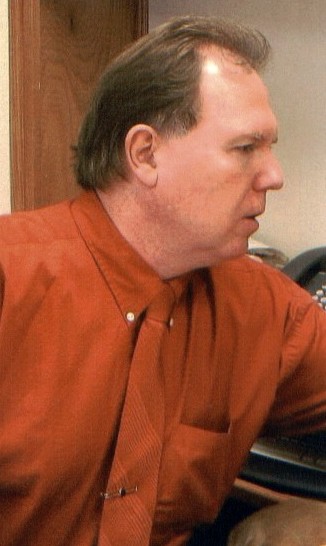
I’ve been waiting on the following unveiling for a while and am impressed by the results, not to mention, the potential this offers for the future.
The folks at
Serotek
Have rolled out their latest accessibility tool.
As its name implies,
Accessible Event
Makes meetings, seminars, conferences, and other events where participation is contingent on the accessibility to all the participants, truly open to everybody.
You can check out the June 23
press Conference ,
which is, of course, presented as an Accessible Event.
And, if that isn’t enough and you’d like another demonstration of how this neat tool works, check out the Serotek demo of a
staff meeting.
This is a service Serotek is offering to people who have a need to make their program accessible. It is something that I can see a distinct need for for at colleges, universities, and even public schools. There are also the distinct commercial applications at trade shows and conventions. If you’re a presenter and want to sure accessibility, check out Accessible Event. It will provide the ultimate delivery of your message to all audience members.
Wednesday, June 24, 2009


Friday, June 19, 2009
Access Ability is now on Twitter
Okay, call me slow, or whatever, but I’ve finally caught up to the latest hot thing on the web. Well, sort of.
I’m talking about getting on the tweet train. That’s right, Access Ability is now on Twitter. You can follow me at:
http://twitter.com/AAblog
Be patient, please. Give me time to figure out what I’m doing here, but I want to keep what I tweet pertinent to what Access Ability is about. I don’t figure you really want to know what kind of sandwich I’m eating right now, so I’ll be trying to focus on the content.
Its crazy, but I’ve already got people following me and I’ve not even posted anything there yet.
See you on Twitter!
I’m talking about getting on the tweet train. That’s right, Access Ability is now on Twitter. You can follow me at:
http://twitter.com/AAblog
Be patient, please. Give me time to figure out what I’m doing here, but I want to keep what I tweet pertinent to what Access Ability is about. I don’t figure you really want to know what kind of sandwich I’m eating right now, so I’ll be trying to focus on the content.
Its crazy, but I’ve already got people following me and I’ve not even posted anything there yet.
See you on Twitter!
Thoughts on more access spinning off of iPhone 3.0's accessibility
I’ve still not even checked out the iPhone, with its new, whizbang 3.0 OS offering out-of-the-box accessibility, but I’m here to tell you that there is a lot more than buzz going on about this in the blind community. There is thought and reflection on where this can go from here. To wit, I share two recent blog posts.
First, an intelligent thought is offered by T. Reid in his cleverly titled piece
Accessibility, There’s An App For That!
T. begins by looking at the idea of reading Amazon’s Kindle books on the iPhone, using the already available Kindle app with Voice Over, which would beat the Kindle’s own, now-neutered text-to-speech potential. He also looks at other possible apps that might come from innovation. Read his post to see his thoughts.
And, my good friend Marcus Engel has also stepped into the reality of technology and finally claimed some geekiness wherein he proposes the idea of an
App to run NLS books on the iPhone.
Now, that idea Marc is proposing isn’t just an idle thought. He’s already stepped up to the plate and initiated communications that might get something going here. Read his post to see what I mean. Also, make sure to write an email of your own, encouraging the development of this possible app
accessibility@apple.com
Good work, guys!
First, an intelligent thought is offered by T. Reid in his cleverly titled piece
Accessibility, There’s An App For That!
T. begins by looking at the idea of reading Amazon’s Kindle books on the iPhone, using the already available Kindle app with Voice Over, which would beat the Kindle’s own, now-neutered text-to-speech potential. He also looks at other possible apps that might come from innovation. Read his post to see his thoughts.
And, my good friend Marcus Engel has also stepped into the reality of technology and finally claimed some geekiness wherein he proposes the idea of an
App to run NLS books on the iPhone.
Now, that idea Marc is proposing isn’t just an idle thought. He’s already stepped up to the plate and initiated communications that might get something going here. Read his post to see what I mean. Also, make sure to write an email of your own, encouraging the development of this possible app
accessibility@apple.com
Good work, guys!
Wednesday, June 10, 2009
Apple gives iPhone accessibility for the blind and does it the right way
In case you missed the groundbreaking news this week, the Apple Corporation has pounded the table and slammed its fist down, announcing heretofore unimagined accessibility for blind people to the iPhone and its popular touchscreen display. I’ve ragged on Apple enough in previous postings about not including accessibility for the blind amongst the many features that it offered on this chic and trendy device, so I feel obligated to give my props to the home of the Mighty Mac for doing it right.
Not only does Apple include accessibility to the iPhone with the upgrade to the 3.0 operating system, but they do it for free. It is built-into the software. That means that there is no additional “accessibility charge,” a price blind people have been subjected to in the past to gain access to information that sighted folks get for the original price of a product. This fee has come in the form of screen readers and service maintenance agreements that hit wallets that are very often already strained. So, a tip of the hat to Apple for not only providing accessibility, but just making it part of doing business.
I have heard that somebody questioned whether the Nokia N82, which is the phone I and several of my friends are using, has become obsolete with the advent of an accessible iPhone. I don't buy that. I think the N82 is a greatly accessible phone, in my own experience the most accessible phone I’ve ever had, and its already bought and paid for. There are aspects of it that nothing on the market can touch, at least not yet, so it is not obsolete. However, it is expensive in itself, just under $300 at best pricing, and also requires an expensive, third party screen reader for nearly $300 to be accessible. With a screen reader, at best prices, one will spend close to $600 and up to $900 from vendors to get an N82 with a screen reader on it.
Now, along comes Apple offering an iPhone for $199 with a built in screen reader. What Apple has done here is put pressure on the market to, not only ante up, but to matche their raise.
As they say, only time will tell. Let’s see what happens. It is indeed an interesting time to be a blind person and experience the wonders of advancing technology.
With all that said, below I offer a roundup of some of the writings on the web about the iPhone’s accessibility.
Here’s the official Apple iPhone Accessibility page where they spell out the use of Voice Over:
http://www.apple.com/accessibility/iphone/vision.html
Also, here’s the Apple guide on how to use different features on your iPhone.
http://www.apple.com/iphone/how-to/#basics.introduction
Here’s the Serotek blog where Mike Calvo shares his thoughts on Apple doing it right. Also, make sure to read the first comment on that post
http://blog.serotek.com/2009/06/why-is-it-that-apple-always-seems-to.html
Here’s the Ranger Station’s Post announcing the news. Ranger 1138 is a knowledgeable and experienced “dude in the assistive technology industry” whose insight I truly appreciate and trust.
http://therangerstation.blogspot.com/2009/06/voiceover-comes-to-iphones.html
Here is the Fred’s Head article from the American Printing House for the Blind. It is drawing its information from Apple, but seems to add some personal thoughts as well. The writer of this blog is a savvy writer named Mike McCarty and I personally dig his thoughts on technology and seemingly endless resources of information related to blindness and low vision.
http://www.fredshead.info/2009/06/true-accessibility-for-blind-and.html
And, finally, here’s Darrell Shandrow’s Blind Access Journal post, where he’s collected a few people’s reactions—some in awe and others basically taking a "wait and see" stance, as it sounds like his first couple of commenters are as well.
http://blog.blindaccessjournal.com/2009/06/apple-announces-iphone-accessibility.html
Like I said, only time will tell what evolves from Apple’s investment in accessibility.
Update 06/11/09
Here’s one more post from Mark Taylor’s Candleshore blog. It is not the original work of the blogger, but contains commentary from one person on an email list. However, these are the thoughtful reflections of a person, whom Mark leaves unidentified, but pledges is “one of the most respected names in the field of assistive technology for the visually impaired.” The comments are a good starting point for a discussion of what the pros and cons are of the iPhone versus other tactile smart phones.
http://mark.candleshoreblog.com/2009/06/11/the-accessible-iphone-3g-s-for-the-blind-and-low-vision-a-reality-check
Not only does Apple include accessibility to the iPhone with the upgrade to the 3.0 operating system, but they do it for free. It is built-into the software. That means that there is no additional “accessibility charge,” a price blind people have been subjected to in the past to gain access to information that sighted folks get for the original price of a product. This fee has come in the form of screen readers and service maintenance agreements that hit wallets that are very often already strained. So, a tip of the hat to Apple for not only providing accessibility, but just making it part of doing business.
I have heard that somebody questioned whether the Nokia N82, which is the phone I and several of my friends are using, has become obsolete with the advent of an accessible iPhone. I don't buy that. I think the N82 is a greatly accessible phone, in my own experience the most accessible phone I’ve ever had, and its already bought and paid for. There are aspects of it that nothing on the market can touch, at least not yet, so it is not obsolete. However, it is expensive in itself, just under $300 at best pricing, and also requires an expensive, third party screen reader for nearly $300 to be accessible. With a screen reader, at best prices, one will spend close to $600 and up to $900 from vendors to get an N82 with a screen reader on it.
Now, along comes Apple offering an iPhone for $199 with a built in screen reader. What Apple has done here is put pressure on the market to, not only ante up, but to matche their raise.
As they say, only time will tell. Let’s see what happens. It is indeed an interesting time to be a blind person and experience the wonders of advancing technology.
With all that said, below I offer a roundup of some of the writings on the web about the iPhone’s accessibility.
Here’s the official Apple iPhone Accessibility page where they spell out the use of Voice Over:
http://www.apple.com/accessibility/iphone/vision.html
Also, here’s the Apple guide on how to use different features on your iPhone.
http://www.apple.com/iphone/how-to/#basics.introduction
Here’s the Serotek blog where Mike Calvo shares his thoughts on Apple doing it right. Also, make sure to read the first comment on that post
http://blog.serotek.com/2009/06/why-is-it-that-apple-always-seems-to.html
Here’s the Ranger Station’s Post announcing the news. Ranger 1138 is a knowledgeable and experienced “dude in the assistive technology industry” whose insight I truly appreciate and trust.
http://therangerstation.blogspot.com/2009/06/voiceover-comes-to-iphones.html
Here is the Fred’s Head article from the American Printing House for the Blind. It is drawing its information from Apple, but seems to add some personal thoughts as well. The writer of this blog is a savvy writer named Mike McCarty and I personally dig his thoughts on technology and seemingly endless resources of information related to blindness and low vision.
http://www.fredshead.info/2009/06/true-accessibility-for-blind-and.html
And, finally, here’s Darrell Shandrow’s Blind Access Journal post, where he’s collected a few people’s reactions—some in awe and others basically taking a "wait and see" stance, as it sounds like his first couple of commenters are as well.
http://blog.blindaccessjournal.com/2009/06/apple-announces-iphone-accessibility.html
Like I said, only time will tell what evolves from Apple’s investment in accessibility.
Update 06/11/09
Here’s one more post from Mark Taylor’s Candleshore blog. It is not the original work of the blogger, but contains commentary from one person on an email list. However, these are the thoughtful reflections of a person, whom Mark leaves unidentified, but pledges is “one of the most respected names in the field of assistive technology for the visually impaired.” The comments are a good starting point for a discussion of what the pros and cons are of the iPhone versus other tactile smart phones.
http://mark.candleshoreblog.com/2009/06/11/the-accessible-iphone-3g-s-for-the-blind-and-low-vision-a-reality-check
Saturday, May 23, 2009
The latest happenings on the Disability 411 podcast
I want to catch you up on the latest happenings at one of my favorite podcasts,
Disability 411,
Hosted by Beth Case.
On the home page, the first posting you will see is a Adobe Flash file of the new D411 promo. I like it. The dialogue features an interaction between a man and woman and is created with synthesized speech. Like everything else Beth puts herself into, it is very professionally produced. I also like that she mentiones three of my favorite people-- Marcus Engel, Mark Zupan, and Sarah Whitlock --in her list of featured guests.
On the most recent D411 episode,
Show 63,
Beth interviews Daniel Berkowitz of DigiLife Media on the subject of eText production.
The title of the show says it all, What is eText?” It is the first of a three parter, so check back for more soon.
If you read much about accessible texts, you might already recognize Dan's name. He is also a contributing member to the
Access Technologists Higher Education Network,
so it should come to no surprise that he is knowledgeable of eTexts.
When I worked as a college disability service coordinator, one of the hallmarks of my time there was that I implemented a push into eTexts for our college. It was beyond me why, in this digital age, a school was not getting material in the most accessible format for its students. Before I arrived there, they were paying readers to record the students’ texts onto cassette. That was a good method for providing access to texts in earlier decades, but this was 2006 and I could see no excuse for that to still be happening in this day and age when more accessible solutions were omnipresent. When I began researching for the push into a digital change for our students, Dan was one of the names I was regularly finding as a resource.
And, as always, there are transcripts available for every audio file Beth posts, even the new promo.
So, go catch up with the latest on D411 and stay tuned for more with Dan Berkowitz.
Disability 411,
Hosted by Beth Case.
On the home page, the first posting you will see is a Adobe Flash file of the new D411 promo. I like it. The dialogue features an interaction between a man and woman and is created with synthesized speech. Like everything else Beth puts herself into, it is very professionally produced. I also like that she mentiones three of my favorite people-- Marcus Engel, Mark Zupan, and Sarah Whitlock --in her list of featured guests.
On the most recent D411 episode,
Show 63,
Beth interviews Daniel Berkowitz of DigiLife Media on the subject of eText production.
The title of the show says it all, What is eText?” It is the first of a three parter, so check back for more soon.
If you read much about accessible texts, you might already recognize Dan's name. He is also a contributing member to the
Access Technologists Higher Education Network,
so it should come to no surprise that he is knowledgeable of eTexts.
When I worked as a college disability service coordinator, one of the hallmarks of my time there was that I implemented a push into eTexts for our college. It was beyond me why, in this digital age, a school was not getting material in the most accessible format for its students. Before I arrived there, they were paying readers to record the students’ texts onto cassette. That was a good method for providing access to texts in earlier decades, but this was 2006 and I could see no excuse for that to still be happening in this day and age when more accessible solutions were omnipresent. When I began researching for the push into a digital change for our students, Dan was one of the names I was regularly finding as a resource.
And, as always, there are transcripts available for every audio file Beth posts, even the new promo.
So, go catch up with the latest on D411 and stay tuned for more with Dan Berkowitz.
Saturday, May 09, 2009
Security fix in Windows 7 may negatively impact computer accessibility for all Windows users
I’ve known about the following matter for almost two weeks, but have taken a wait and see attitude about writing it up here, to see if anything came out about it on the assistive technology front. I know the subject has trickled out some in A T circles, but I have still yet not heard anything mentioned anywhere about the impact of this change on accessibility products such as screen readers that run off portable, USB thumb drives.
Also, one has to wonder how will the use of Serotek’s wonderful, U3 Smart drive accessibility tool, System Access Mobile, be impacted?
The information I’m worried about is from the Technet blog Security Research & Defense, which touts itself as, “Information from Microsoft about vulnerabilities, mitigations and workarounds, active attacks, security research, tools and guidance,” so I give it some credibility. The subject is a new security fix in the latest release candidate of Windows 7, in a post titled
AutoRun changes in Windows 7
In a nutshell, the post cites that the Conficker virus, and other types of malware, have been spreading via the autorun function in Microsoft Windows. To remedy this from occurring, they have instituted a security fix in Windows 7 that will no longer allow the autorun function to come up when USB devices are plugged in.
That wouldn’t bother me, except that this includes thumb drives that give portability to screen readers and allow users to use virtually any computer. The post does share the difference in autorun and autoplay, which makes sense, but it is pretty clear that this will keep the latest version of Windows from running portable applications from a jump drive, but still allow them to run when launched from a CD or DVD.
And, if you’re sitting there grinning, saying that you just won’t upgrade to Windows 7, the post also states that this fix will be made available to Windows Vista and XP as well. I don’t see how we’re going to avoid this change. I don’t know when this will happen, but figure it will come as one of those Windows automatic updates.
I’m not a total geek, so some of the language in the article is not always clear to me. It does raise the issue of U3 smart drives, which I use in training students on using System Access, but I’m not totally clear how that will be affected. I’m happy to append this post with more information if anybody would care to enlighten me.
I know that there are other options, such as System Access’s ability to burn a CD to run the program, but I have liked the portability of just popping in a thumb drive.
I’ve been using thumb drives for access for a couple of years for my own use when away from home. When training, I’ve actually begun to carry around three drives in my pocket. On one, I have System Access; on another, I have JAWS, which I use with a couple of students; and, on my most recent addition, I’ve got NVDA, the open source, screen reading program, which I demo as a free alternative.
I hope I’m not coming across as some Chicken Little on this subject. Its just that I know there are many applications which run on thumb drives, including many assistive technology programs and I’m just trying to either get some answers or discussion going on a matter that I’m afraid is going to negatively impact computer accessibility for many.
Also, one has to wonder how will the use of Serotek’s wonderful, U3 Smart drive accessibility tool, System Access Mobile, be impacted?
The information I’m worried about is from the Technet blog Security Research & Defense, which touts itself as, “Information from Microsoft about vulnerabilities, mitigations and workarounds, active attacks, security research, tools and guidance,” so I give it some credibility. The subject is a new security fix in the latest release candidate of Windows 7, in a post titled
AutoRun changes in Windows 7
In a nutshell, the post cites that the Conficker virus, and other types of malware, have been spreading via the autorun function in Microsoft Windows. To remedy this from occurring, they have instituted a security fix in Windows 7 that will no longer allow the autorun function to come up when USB devices are plugged in.
That wouldn’t bother me, except that this includes thumb drives that give portability to screen readers and allow users to use virtually any computer. The post does share the difference in autorun and autoplay, which makes sense, but it is pretty clear that this will keep the latest version of Windows from running portable applications from a jump drive, but still allow them to run when launched from a CD or DVD.
And, if you’re sitting there grinning, saying that you just won’t upgrade to Windows 7, the post also states that this fix will be made available to Windows Vista and XP as well. I don’t see how we’re going to avoid this change. I don’t know when this will happen, but figure it will come as one of those Windows automatic updates.
I’m not a total geek, so some of the language in the article is not always clear to me. It does raise the issue of U3 smart drives, which I use in training students on using System Access, but I’m not totally clear how that will be affected. I’m happy to append this post with more information if anybody would care to enlighten me.
I know that there are other options, such as System Access’s ability to burn a CD to run the program, but I have liked the portability of just popping in a thumb drive.
I’ve been using thumb drives for access for a couple of years for my own use when away from home. When training, I’ve actually begun to carry around three drives in my pocket. On one, I have System Access; on another, I have JAWS, which I use with a couple of students; and, on my most recent addition, I’ve got NVDA, the open source, screen reading program, which I demo as a free alternative.
I hope I’m not coming across as some Chicken Little on this subject. Its just that I know there are many applications which run on thumb drives, including many assistive technology programs and I’m just trying to either get some answers or discussion going on a matter that I’m afraid is going to negatively impact computer accessibility for many.
Tuesday, April 21, 2009
The future is near: NLS pilot digital talking book program to become Braille and Audio Reading Download
Here’s an update on the digital talking book program from the
National Library Service for the Blind and Physically Handicapped.
I’ve posted here before, talking about the great benefits of the program and also sharing that the digital talking book program was in a pilot phase. Also, that some time in the future, that this would transition away from being a pilot program.
Well, the future is now, or it will be as of April 30, 2009.
The
Braille and Audio Reading Download
Or BARD, (the acronym it will be heralded by,) will be operational as of April 30, 2009
For your information, the BARD’s URL is:
https://nlsbard.loc.gov
Here are the details from the informational email sent out by the NLS:
Users who know their passwords will be able to log on to the new site; users who rely on their browsers to remember their passwords will need new ones (follow instructions in Section II). All user accounts will be migrated to the new system, so you do not need to reapply. All materials previously downloaded will remain usable, so you will not need to redownload your reading material.
1. Unlimited downloading. The BARD service will no longer limit the number of books and magazines that you may download. Any account holder may download any item at any time. During heavy demand, however, NLS may limit the number of simultaneous downloads for each account.
2. New logon page. The site login will now use a form rather than a dialog box. It is the same type of logon found on most internet pages and should be immediately familiar to users of other sites. This is an important note for screen-reader users.
3. New search functionality. BARD searches will yield more effective results. The use of multiple search terms will return only results containing all of the terms.
4. New "Most Popular Books" list. By selecting the "Most Popular Book" link from the home page, users may access a list of the top twenty most downloaded books on the BARD service in the last ninety days. Fiction and nonfiction titles will be listed separately.
5. Redesigned magazine section. The "Recently Added Magazines" link will now display links to only the most recent issue of each magazine. Magazines older than one year may be accessed from each title's magazine archive. Links to the archive are at the bottom of each magazine's page.
Section II. Take the following steps to access the new site:
1. You must know your login ID and password to log on to the new site. For all users, your login ID is your e-mail address.
2. If you know your login ID and password, you will not need to do anything. Simply access the new site,
https://nlsbard.loc.gov,
starting Thursday, April 30.
3. If you have forgotten your password, you must obtain a new one before you can log on to the new site. Since the new site has a different address from the pilot site, you cannot rely on your web browser to automatically log in to BARD.
4. If you do not know your password but you are able to automatically log on to the pilot site because your browser knows your password, you must choose a new password. To do so, select the link "Update My Settings" from the site home page. From the settings page, select the first link, "Change Your Password." Enter your new password twice, and then select the "Change Password" button. Remember this new password to access BARD.
5. If you cannot log on to the site because you do not know your password, you may have a new one sent to you. Access the password recovery page at
https://www.nlstalkingbooks.org/cgi-bin/public/dtbscripts_v2/recoverpw.cgi.
Enter your e-mail address and then select the "Send Me a New Password" button. A new temporary password will be generated and sent to your e-mail address. Once you retrieve the password, log on to the site and choose your new password. Remember this new password to access BARD.
6. If for some reason you are not able to use any of these options, please send a request for a new password to
NLSDownload@loc.gov.
Because of the anticipated large number of requests, please expect your new password within two business days.
The last day of availability of the pilot site will be Tuesday, April 28. The service will not be available at all on Wednesday, April 29, to allow user accounts to be migrated to the new site, which will be available on Thursday, April 30.
NLS appreciates all who have participated in the pilot test. Your feedback has allowed us to continuously improve the site and to plan future expansions, such as the inclusion of braille books. Though the pilot phase is ending, we remain open to your feedback about the BARD service. Please send your comments to
NLSDownload@loc.gov.
Send questions or requests about the book and magazine collection to your library.
National Library Service for the Blind and Physically Handicapped.
I’ve posted here before, talking about the great benefits of the program and also sharing that the digital talking book program was in a pilot phase. Also, that some time in the future, that this would transition away from being a pilot program.
Well, the future is now, or it will be as of April 30, 2009.
The
Braille and Audio Reading Download
Or BARD, (the acronym it will be heralded by,) will be operational as of April 30, 2009
For your information, the BARD’s URL is:
https://nlsbard.loc.gov
Here are the details from the informational email sent out by the NLS:
Users who know their passwords will be able to log on to the new site; users who rely on their browsers to remember their passwords will need new ones (follow instructions in Section II). All user accounts will be migrated to the new system, so you do not need to reapply. All materials previously downloaded will remain usable, so you will not need to redownload your reading material.
1. Unlimited downloading. The BARD service will no longer limit the number of books and magazines that you may download. Any account holder may download any item at any time. During heavy demand, however, NLS may limit the number of simultaneous downloads for each account.
2. New logon page. The site login will now use a form rather than a dialog box. It is the same type of logon found on most internet pages and should be immediately familiar to users of other sites. This is an important note for screen-reader users.
3. New search functionality. BARD searches will yield more effective results. The use of multiple search terms will return only results containing all of the terms.
4. New "Most Popular Books" list. By selecting the "Most Popular Book" link from the home page, users may access a list of the top twenty most downloaded books on the BARD service in the last ninety days. Fiction and nonfiction titles will be listed separately.
5. Redesigned magazine section. The "Recently Added Magazines" link will now display links to only the most recent issue of each magazine. Magazines older than one year may be accessed from each title's magazine archive. Links to the archive are at the bottom of each magazine's page.
Section II. Take the following steps to access the new site:
1. You must know your login ID and password to log on to the new site. For all users, your login ID is your e-mail address.
2. If you know your login ID and password, you will not need to do anything. Simply access the new site,
https://nlsbard.loc.gov,
starting Thursday, April 30.
3. If you have forgotten your password, you must obtain a new one before you can log on to the new site. Since the new site has a different address from the pilot site, you cannot rely on your web browser to automatically log in to BARD.
4. If you do not know your password but you are able to automatically log on to the pilot site because your browser knows your password, you must choose a new password. To do so, select the link "Update My Settings" from the site home page. From the settings page, select the first link, "Change Your Password." Enter your new password twice, and then select the "Change Password" button. Remember this new password to access BARD.
5. If you cannot log on to the site because you do not know your password, you may have a new one sent to you. Access the password recovery page at
https://www.nlstalkingbooks.org/cgi-bin/public/dtbscripts_v2/recoverpw.cgi.
Enter your e-mail address and then select the "Send Me a New Password" button. A new temporary password will be generated and sent to your e-mail address. Once you retrieve the password, log on to the site and choose your new password. Remember this new password to access BARD.
6. If for some reason you are not able to use any of these options, please send a request for a new password to
NLSDownload@loc.gov.
Because of the anticipated large number of requests, please expect your new password within two business days.
The last day of availability of the pilot site will be Tuesday, April 28. The service will not be available at all on Wednesday, April 29, to allow user accounts to be migrated to the new site, which will be available on Thursday, April 30.
NLS appreciates all who have participated in the pilot test. Your feedback has allowed us to continuously improve the site and to plan future expansions, such as the inclusion of braille books. Though the pilot phase is ending, we remain open to your feedback about the BARD service. Please send your comments to
NLSDownload@loc.gov.
Send questions or requests about the book and magazine collection to your library.
Friday, April 17, 2009
A web site especially for college-bound teens with disabilities
One of the issues I try to stress most to high school students I work with is how different college will be for them, as opposed to their K-12 experience. So, you can imagine the smile I got when I found a web site designed specifically for college-bound teens with disabilities.
Aptly titled,
Going to College,
The web site (developed by
Virginia Commonwealth University)
proclaims itself “A resource for teens with disabilities.”
The site breaks down into three primary areas of focus:
My Place – where the student will do some self analysis to identify strengths and learning styles to help in goal setting.
Campus Life – describing what the student can expect at the college and what professors will expect, as well as accommodations and assistive technology.
Planning for college – how to proactively prepare today for college tomorrow.
Its great to see something so unique as this put together. Now, all we have to do is spread the word about it.
(A special thanks to the
Disability Studies, Temple U.
blog for this valuable information.)
Aptly titled,
Going to College,
The web site (developed by
Virginia Commonwealth University)
proclaims itself “A resource for teens with disabilities.”
The site breaks down into three primary areas of focus:
My Place – where the student will do some self analysis to identify strengths and learning styles to help in goal setting.
Campus Life – describing what the student can expect at the college and what professors will expect, as well as accommodations and assistive technology.
Planning for college – how to proactively prepare today for college tomorrow.
Its great to see something so unique as this put together. Now, all we have to do is spread the word about it.
(A special thanks to the
Disability Studies, Temple U.
blog for this valuable information.)
Carlo Lingiardi offers insight to adjustment process following onset disability
as a result of writing this blog,I’ve met several people, and today, I want to share one of these people with you, as he’s also begun his own blog. I feel his writings reflect a good and honest perspective of what it is like for somebody going through the dynamic process of adjustment to life after a traumatic, onset disability.
While pursuing one of his interests, competetive bicycling,
Carlo Lingiardi,
Had an accident which forever changed his life.
Previous to the accident, Carlo had been an executive with an international shoe company. However, the October, 2005 accident resulted in Carlo being in a coma for two months. The traumatic brain injury he received has left him using a wheelchair, unable to walk by himself, and he is also now blind to some extent.
One of the treatments Carlo is most optimistic about is hyperbaric oxygen therapy (HBOT). He writes about this regularly and his hope and faith in this treatment can’t be overlooked.
You will also notice that his family is one of the constant subjects in Carlo’s writings. He echoes one of the earliest understandings I had about an onset disability – we don’t function in a vacuum; what happens to an individual impacts the lives of all those who are around him.
I wish Carlo well in his pursuits and pray that his recovery delivers what he is hoping for. I’ll be following his progress as he writes about them in the future.
While pursuing one of his interests, competetive bicycling,
Carlo Lingiardi,
Had an accident which forever changed his life.
Previous to the accident, Carlo had been an executive with an international shoe company. However, the October, 2005 accident resulted in Carlo being in a coma for two months. The traumatic brain injury he received has left him using a wheelchair, unable to walk by himself, and he is also now blind to some extent.
One of the treatments Carlo is most optimistic about is hyperbaric oxygen therapy (HBOT). He writes about this regularly and his hope and faith in this treatment can’t be overlooked.
You will also notice that his family is one of the constant subjects in Carlo’s writings. He echoes one of the earliest understandings I had about an onset disability – we don’t function in a vacuum; what happens to an individual impacts the lives of all those who are around him.
I wish Carlo well in his pursuits and pray that his recovery delivers what he is hoping for. I’ll be following his progress as he writes about them in the future.
Tuesday, April 14, 2009
Two scholarship resources for students with disabilities
This is just a brief post to share scholarship information I recently learned about.
First,
Disaboom
has a irectory with over 125 scholarships for students with disabilities. Check it out and see if there are some that fit your needs.
Secondly, there is also the
Mouse Hole Scholarships sponsored by Blind Mice Mart .
This scholarship Is essay-based and is limited to visually impaired students, or sighted students of visually impaired parents.
I’m sure there are other scholarship resources around for students with disabilities, and will be happy to post about them here, just send me the information. I’ve learned about these two posting in the last week and wanted to share them as soon as I could.
First,
Disaboom
has a irectory with over 125 scholarships for students with disabilities. Check it out and see if there are some that fit your needs.
Secondly, there is also the
Mouse Hole Scholarships sponsored by Blind Mice Mart .
This scholarship Is essay-based and is limited to visually impaired students, or sighted students of visually impaired parents.
Awards for the 2008 Mouse Hole Scholarship Essay Contest -- This year we have $4,198.00 available in the Mouse Hole Scholarship Fund! The two top essays, as selected by our panel of judges, will receive a $1,250.00 Mouse Hole Scholarship! The four top essays, as selected by our panel of judges, will receive a ASUS 1000 H E Net Book Computer from the Mouse Hole Scholarship Program!
I’m sure there are other scholarship resources around for students with disabilities, and will be happy to post about them here, just send me the information. I’ve learned about these two posting in the last week and wanted to share them as soon as I could.
Tuesday, April 07, 2009
Reading Rights Coalition has the organized strength to petition Authors' Guild
A couple of days ago, I posted here with a petition to show interest in having Amazon make the Kindle II accessible, and I linked to the only petition I was aware of for this pursuit. However, there is a larger, more organized contingent in play than the one which had started that petition. This group is the Reading Rights Coalition, the same group which had the informational demonstration at the Authors' Guild today, which I also wrote about in that post. This group is comprised of more than 25 disability rights organizations, all unified in this goal of bringing accessibility to the Kindle II.
And, they also have a petition to push for accessibility. With the additional, combined strength of the other organizations, this group is better positioned to gather a larger group of signees.
For comparison, on the first petition I linked to, I was #900 something, and I was number 400 something on the Reading Rights petition. I signed both this weekend, obviously one before my previous post, and one after. However, the first petition had been out for a couple of weeks and the Coalition's had just been posted. The number of signees on the Coalition's petition is now just under 3,000. It is a number that is growing steadily with the combined and organized efforts of its members.
So, one more time, I call you to action. Please, go to the
Reading Rights Coalition web site
and learn more about this strong collective, then
please sign the petition.
And, they also have a petition to push for accessibility. With the additional, combined strength of the other organizations, this group is better positioned to gather a larger group of signees.
For comparison, on the first petition I linked to, I was #900 something, and I was number 400 something on the Reading Rights petition. I signed both this weekend, obviously one before my previous post, and one after. However, the first petition had been out for a couple of weeks and the Coalition's had just been posted. The number of signees on the Coalition's petition is now just under 3,000. It is a number that is growing steadily with the combined and organized efforts of its members.
So, one more time, I call you to action. Please, go to the
Reading Rights Coalition web site
and learn more about this strong collective, then
please sign the petition.
Saturday, April 04, 2009
Take action to make the Kindle II accessible
I’ve previously written here about the Amazon Kindle II eBook reader and how there was some possible accessibility because it had text-to-speech (TTS) built into it, allowing the books to be read aloud. If you’ve missed it, since that posting, there has been a lot of turmoil over the TTS availability, primarily that the Author’s Guild challenged Amazon on making their eBooks to instantly become audio books.
Pardon me as I haven’t blogged very regularly of late and have missed the discussion that has followed, but let me make up for it by giving you the latest, and ask you to do your part and take action.
First, please help the movement to see the fledgling TTS on the Kindle II expand to a fully accessible screen reader by signing the
petition asking Amazon to make the Kindle fully accessible.
Being Amazon is working to position itself as the dominant seller of all books, this only makes good business sense to bring accessibility to the product they tout as the premiere eBook player. There is a need for this accessibility and we need to get more people to sign the petition.
And, if you’re able, go attend the April 7 informational protest at the Author’s Guild headquarters. For details, read the below press release from the
National Federation of the Blind.
* * * * * *
· FOR IMMEDIATE RELEASE
CONTACT:
Chris Danielsen
Director of Public Relations
National Federation of the Blind
(410) 659-9314, ext. 2330
(410) 262-1281 (Cell)
cdanielsen@nfb.org
Reading Rights Coalition Urges Authors to Allow Everyone Access to E-books
Informational Protest to be Held at Authors Guild Headquarters
New York City (March 30, 2009): The Reading Rights Coalition, which represents people who cannot read print, will protest the threatened removal of the text-to-speech function from e-books for the Amazon Kindle 2 outside the Authors Guild headquarters in New York City at 31 East 32nd Street on April 7, 2009, from noon to 2:00 p.m. The coalition includes the blind, people with dyslexia, people with learning or processing issues, seniors losing vision, people with spinal cord injuries, people recovering from strokes, and many others for whom the addition of text-to-speech on the Kindle 2 promised for the first time easy, mainstream access to over 255,000 books.
When Amazon released the Kindle 2 electronic book reader on February 9, 2009, the company announced that the device would be able to read e-books aloud using text-to-speech technology. Under pressure from the Authors Guild, Amazon has announced that it will give authors and publishers the ability to disable the text-to-speech function on any or all of their e-books available for the Kindle 2.
Dr. Marc Maurer, President of the National Federation of the Blind, said: “The blind and print-disabled have for years utilized text-to-speech technology to read and access information. As technology advances and more books move from hard-copy print to electronic formats, people with print disabilities have for the first time in history the opportunity to enjoy access to books on an equal basis with those who can read print. Authors and publishers who elect to disable text-to-speech for their e-books on the Kindle 2 prevent people who are blind or have other print disabilities from reading these e-books. This is blatant discrimination and we will not tolerate it.”
Mike Shuttic, president of the Association on Higher Education and Disability (AHEAD), said: “AHEAD envisions educational and societal environments that value disability and embody equality of opportunity. This vision of AHEAD is directly aligned with the efforts of this coalition. Although much rhetoric is made about potential obstacles and problems that exist, the basic goal is clear and simple––access for everyone. And why create something that prevents it?”
Mitch Pomerantz, president of the American Council of the Blind, said: “Removing the text-to-speech features closes the door on an innovative technological solution that would make regular print books available to tens of thousands of individuals who are blind or visually impaired.”
Andrew Imparato, President and Chief Executive Officer for the American Association of People with Disabilities (AAPD), said: “It is outrageous when a technology device shuts out people with all kinds of disabilities. AAPD works to remove barriers to accessibility and usability in technology, and we don’t expect to see people with disabilities singled out by having to pay more for access. New technologies, such as electronic books, should be available to everyone regardless of disability.”
Paul Schroeder, vice president of programs and policy for the American Foundation for the Blind, said: "Those of us with print disabilities have long dreamed of a world in which books and media are available to us at the same time as everyone else. The Kindle 2 offers that possibility for the first time. We hope publishers and authors come to see that text-to-speech is simply an alternative means of access to print."
Dr. Peter Blanck, chairman and university professor at Burton Blatt Institute at Syracuse University, said: “As electronic books become the norm, denying universal access will result in more and more people with disabilities being left out of education, employment, and the societal conversation. We will all suffer from the absence of their participation and contribution to the debates that occupy us as a society.”
George Kerscher of the Digital Accessible Information System (DAISY) Consortium, said: "The DAISY Consortium envisions a world where people with print disabilities have equal access to information and knowledge, without delay or additional expense. Authors and publishers surely must share this vision. Now that the issue of human rights has been explained, and the opportunity for larger sales are known, I urge the Authors Guild to reverse their position on text-to-speech and join us in actively encouraging all publishers and reading technology developers to open the world of reading to everybody. Authors, join us on the picket line."
Steve Jacobs, president of IDEAL Group Inc., said, “Not only is text-to-speech important to people who are blind, it is critical in providing quality educations to millions of young people who rely on text-to-speech to learn effectively. This includes students with autism, learning disabilities, mobility disabilities, and cognitive disabilities that impact their ability to acquire information with their eyes only. I remain hopeful that the talented members of the Authors Guild come to understand the potential negative impact of disabling the text-to-speech function on their e-books and reconsider their position.”
Cynthia D. Waddell, executive director of the International Center for Disability Resources on the Internet (ICDRI), said: “The mission of ICDRI supports the removal of barriers in electronic and information technology and the promotion of equal access. ICDRI welcomes the text-to-speech functionality being offered by the Kindle 2 since it increases mainstream access to books for the first time in history. We question why the Authors Guild demands that it be turned it off since many more books would be sold if text-to-speech was turned back on. Not only does this feature benefit persons with disabilities, but it also helps persons for whom English is not their native language. In an increasingly mobile society, flexibility in access to content improves the quality of life for everyone.”
James Love, director of Knowledge Ecology International, said: “Knowing full well that not everyone can see, the Authors Guild wants the right to be seen, but not heard. By bullying Amazon to change the technology of Kindle 2, the Authors Guild will either deny access to people who are disabled, or make them pay more. By attacking disabled persons in this way, the Authors Guild is attacking everyone who would otherwise benefit from the contributions this community has the potential to offer.”
James H. Wendorf, executive director for the National Center for Learning Disabilities, said: "Access to the written word is the cornerstone of education and democracy. New technologies must serve individuals with disabilities, not impede them. Our homes, schools and ultimately our economy rely on support for the future, not discriminating practices and beliefs from the past.”
While the Kindle 2 is not currently accessible to blind users, Amazon recently announced on its Kindle 2 blog that it is currently at work on making the device’s navigational features accessible to the blind.
The coalition includes: American Association of People with Disabilities, American Council of the Blind, American Foundation for the Blind, Association on Higher Education and Disability, Bazelon Center for Mental Health Law, Burton Blatt Institute, Digital Accessible Information System (DAISY) Consortium, Disability Rights Education and Defense Fund (DREDF), IDEAL Group, Inc., International Center for Disability Resources on the Internet, International Dyslexia Association, International Dyslexia Association––New York Branch, Knowledge Ecology International, Learning Disabilities Association of America, National Center for Learning Disabilities, National Disability Rights Network, National Federation of the Blind, NISH, and the National Spinal Cord Injury Association. In addition to the April 7 New York City protest, the coalition will participate in the Los Angeles Times Festival of Books on April 25-26.
###
Pardon me as I haven’t blogged very regularly of late and have missed the discussion that has followed, but let me make up for it by giving you the latest, and ask you to do your part and take action.
First, please help the movement to see the fledgling TTS on the Kindle II expand to a fully accessible screen reader by signing the
petition asking Amazon to make the Kindle fully accessible.
Being Amazon is working to position itself as the dominant seller of all books, this only makes good business sense to bring accessibility to the product they tout as the premiere eBook player. There is a need for this accessibility and we need to get more people to sign the petition.
And, if you’re able, go attend the April 7 informational protest at the Author’s Guild headquarters. For details, read the below press release from the
National Federation of the Blind.
* * * * * *
· FOR IMMEDIATE RELEASE
CONTACT:
Chris Danielsen
Director of Public Relations
National Federation of the Blind
(410) 659-9314, ext. 2330
(410) 262-1281 (Cell)
cdanielsen@nfb.org
Reading Rights Coalition Urges Authors to Allow Everyone Access to E-books
Informational Protest to be Held at Authors Guild Headquarters
New York City (March 30, 2009): The Reading Rights Coalition, which represents people who cannot read print, will protest the threatened removal of the text-to-speech function from e-books for the Amazon Kindle 2 outside the Authors Guild headquarters in New York City at 31 East 32nd Street on April 7, 2009, from noon to 2:00 p.m. The coalition includes the blind, people with dyslexia, people with learning or processing issues, seniors losing vision, people with spinal cord injuries, people recovering from strokes, and many others for whom the addition of text-to-speech on the Kindle 2 promised for the first time easy, mainstream access to over 255,000 books.
When Amazon released the Kindle 2 electronic book reader on February 9, 2009, the company announced that the device would be able to read e-books aloud using text-to-speech technology. Under pressure from the Authors Guild, Amazon has announced that it will give authors and publishers the ability to disable the text-to-speech function on any or all of their e-books available for the Kindle 2.
Dr. Marc Maurer, President of the National Federation of the Blind, said: “The blind and print-disabled have for years utilized text-to-speech technology to read and access information. As technology advances and more books move from hard-copy print to electronic formats, people with print disabilities have for the first time in history the opportunity to enjoy access to books on an equal basis with those who can read print. Authors and publishers who elect to disable text-to-speech for their e-books on the Kindle 2 prevent people who are blind or have other print disabilities from reading these e-books. This is blatant discrimination and we will not tolerate it.”
Mike Shuttic, president of the Association on Higher Education and Disability (AHEAD), said: “AHEAD envisions educational and societal environments that value disability and embody equality of opportunity. This vision of AHEAD is directly aligned with the efforts of this coalition. Although much rhetoric is made about potential obstacles and problems that exist, the basic goal is clear and simple––access for everyone. And why create something that prevents it?”
Mitch Pomerantz, president of the American Council of the Blind, said: “Removing the text-to-speech features closes the door on an innovative technological solution that would make regular print books available to tens of thousands of individuals who are blind or visually impaired.”
Andrew Imparato, President and Chief Executive Officer for the American Association of People with Disabilities (AAPD), said: “It is outrageous when a technology device shuts out people with all kinds of disabilities. AAPD works to remove barriers to accessibility and usability in technology, and we don’t expect to see people with disabilities singled out by having to pay more for access. New technologies, such as electronic books, should be available to everyone regardless of disability.”
Paul Schroeder, vice president of programs and policy for the American Foundation for the Blind, said: "Those of us with print disabilities have long dreamed of a world in which books and media are available to us at the same time as everyone else. The Kindle 2 offers that possibility for the first time. We hope publishers and authors come to see that text-to-speech is simply an alternative means of access to print."
Dr. Peter Blanck, chairman and university professor at Burton Blatt Institute at Syracuse University, said: “As electronic books become the norm, denying universal access will result in more and more people with disabilities being left out of education, employment, and the societal conversation. We will all suffer from the absence of their participation and contribution to the debates that occupy us as a society.”
George Kerscher of the Digital Accessible Information System (DAISY) Consortium, said: "The DAISY Consortium envisions a world where people with print disabilities have equal access to information and knowledge, without delay or additional expense. Authors and publishers surely must share this vision. Now that the issue of human rights has been explained, and the opportunity for larger sales are known, I urge the Authors Guild to reverse their position on text-to-speech and join us in actively encouraging all publishers and reading technology developers to open the world of reading to everybody. Authors, join us on the picket line."
Steve Jacobs, president of IDEAL Group Inc., said, “Not only is text-to-speech important to people who are blind, it is critical in providing quality educations to millions of young people who rely on text-to-speech to learn effectively. This includes students with autism, learning disabilities, mobility disabilities, and cognitive disabilities that impact their ability to acquire information with their eyes only. I remain hopeful that the talented members of the Authors Guild come to understand the potential negative impact of disabling the text-to-speech function on their e-books and reconsider their position.”
Cynthia D. Waddell, executive director of the International Center for Disability Resources on the Internet (ICDRI), said: “The mission of ICDRI supports the removal of barriers in electronic and information technology and the promotion of equal access. ICDRI welcomes the text-to-speech functionality being offered by the Kindle 2 since it increases mainstream access to books for the first time in history. We question why the Authors Guild demands that it be turned it off since many more books would be sold if text-to-speech was turned back on. Not only does this feature benefit persons with disabilities, but it also helps persons for whom English is not their native language. In an increasingly mobile society, flexibility in access to content improves the quality of life for everyone.”
James Love, director of Knowledge Ecology International, said: “Knowing full well that not everyone can see, the Authors Guild wants the right to be seen, but not heard. By bullying Amazon to change the technology of Kindle 2, the Authors Guild will either deny access to people who are disabled, or make them pay more. By attacking disabled persons in this way, the Authors Guild is attacking everyone who would otherwise benefit from the contributions this community has the potential to offer.”
James H. Wendorf, executive director for the National Center for Learning Disabilities, said: "Access to the written word is the cornerstone of education and democracy. New technologies must serve individuals with disabilities, not impede them. Our homes, schools and ultimately our economy rely on support for the future, not discriminating practices and beliefs from the past.”
While the Kindle 2 is not currently accessible to blind users, Amazon recently announced on its Kindle 2 blog that it is currently at work on making the device’s navigational features accessible to the blind.
The coalition includes: American Association of People with Disabilities, American Council of the Blind, American Foundation for the Blind, Association on Higher Education and Disability, Bazelon Center for Mental Health Law, Burton Blatt Institute, Digital Accessible Information System (DAISY) Consortium, Disability Rights Education and Defense Fund (DREDF), IDEAL Group, Inc., International Center for Disability Resources on the Internet, International Dyslexia Association, International Dyslexia Association––New York Branch, Knowledge Ecology International, Learning Disabilities Association of America, National Center for Learning Disabilities, National Disability Rights Network, National Federation of the Blind, NISH, and the National Spinal Cord Injury Association. In addition to the April 7 New York City protest, the coalition will participate in the Los Angeles Times Festival of Books on April 25-26.
###
April is Autism Awareness Month
Get ready. I’m going to try and get some posting done.
Because it is after April 1, you know I’m not fooling when I say that April is Autism Awareness month.
For authoratative information and resources about this subject, check out
The National Autism Society
And
Autism Speaks.
Also, for some insightful reflection on what the designation of Autism Awareness Month means to one person, check out the Disaboom post titled,
Can We Get Some Actual Help Here?
As an aside, while on that Disaboom post, go to the comment area at the bottom of that post, and check out the accessible CAPTCHA they offer. The audio is very clear and informative, down to the case of the letters it is asking you to input. It is also missing the bothersome background noise that is too common on other audio CAPTCHAs. I’m not sure if that is working well at screening out spam replies, but I didn’t see any comments posted, so I’ll assume its working. Are you listening to this,
Yahoo?
Because it is after April 1, you know I’m not fooling when I say that April is Autism Awareness month.
For authoratative information and resources about this subject, check out
The National Autism Society
And
Autism Speaks.
Also, for some insightful reflection on what the designation of Autism Awareness Month means to one person, check out the Disaboom post titled,
Can We Get Some Actual Help Here?
As an aside, while on that Disaboom post, go to the comment area at the bottom of that post, and check out the accessible CAPTCHA they offer. The audio is very clear and informative, down to the case of the letters it is asking you to input. It is also missing the bothersome background noise that is too common on other audio CAPTCHAs. I’m not sure if that is working well at screening out spam replies, but I didn’t see any comments posted, so I’ll assume its working. Are you listening to this,
Yahoo?
Wednesday, March 25, 2009
Latest edition of Disability 411 podcast now posted
Its been a while, but I’m back.
The latest edition of the
Disability 411 podcast
is now available.
It features yours truly as the guest interviewer and the interviewee is
Stephen Kerr,
A disc jockey and Assistant Program Director at
KKMJ, Magic 95,
In Austin, TX.
The reason for the interview is the technology evolution across the radio industry regarding the adoption of tuchscreen computer programs to operate radio stations. You see, Stephen is blind, and the introduction of this type of technology could easily stop his career in its tracks if not for insightful adaptation. Check out the interview and see how Stephen has managed to stay abreast of the changes in his long-time profession and the accessibility he has implemented.
And, if you’d rather read the interview, rather than listen to the podcast, Beth, as always, has the
Episode transcript
Available as well.
The latest edition of the
Disability 411 podcast
is now available.
It features yours truly as the guest interviewer and the interviewee is
Stephen Kerr,
A disc jockey and Assistant Program Director at
KKMJ, Magic 95,
In Austin, TX.
The reason for the interview is the technology evolution across the radio industry regarding the adoption of tuchscreen computer programs to operate radio stations. You see, Stephen is blind, and the introduction of this type of technology could easily stop his career in its tracks if not for insightful adaptation. Check out the interview and see how Stephen has managed to stay abreast of the changes in his long-time profession and the accessibility he has implemented.
And, if you’d rather read the interview, rather than listen to the podcast, Beth, as always, has the
Episode transcript
Available as well.
Friday, February 20, 2009
Merging technologies is an accessibility solution to consider
Today, I’m sharing a technology pairing that is working well for both myself and the students I train on assistive technology.
For Christmas, I received an HP netbook, one of those slimmed down, ultralight notebook computers. It has a 16 GB solid state hard drive, making boot up and shutdown go faster than on a computer with a conventional hard drive. It weighs in a just under 2.5 pounds and has a 10-inch display screen. What It comes with is a 1 gig processor and 1 Gb of RAM, with 2 USB slots and an SD card reader. I also enjoy the built-in B/G WiFi and count this as a big addition to my personal computing experience.
What it doesn’t have is either a CD or DVD drive, which probably accounts for the trimmed weight and compact size. It does come with a recovery CD of the Windows XP Home operating system, just in case it ever crashes. To install the CD, though, will require using an external, USB disk drive. I don’t have one of these, but hope I won’t ever need one.
One of the best things on this HP model versus other makes is that the keyboard is 92% of the size of regular HP notebooks. That fuller size, versus mashed-together keyboards on other makes, really helps screen reader users who require a keyboard for operating the machine.
I’d heard that one could run a screen reader on these netbook computers and wanted to put that to the test. Being I’m a
JAWS
user by practice, I slapped the latest version of it on there and authorized it. It takes a little while for JAWS to start when booting up, but once it does, the machine runs along very well. My biggest hangup is getting used to the JAWS laptop configuration on this while using the desktop configuration at home. I recently purchased a USB keypad to let me use the more comfortable desktop configuration on this. I haven’t hooked that up yet, but will in the next few days.
Yes, with JAWS, This is a perfect road machine for me. When I travel and need a computer, I’ve got one that won’t break my back to carry. Neither did it break the bank, costing only $399. It does the primary tasks I want when away from home—surfing the net, email, and document writing. Any heavier jobs I wouldn’t usually do away from home anyways.
Still, I’ve also installed several of Jim Kitchens’
Kitchensinc games,
As well as some from other gamemakers, For my own entertainment. I use these myself, but also with the students I teach on assistive technology. I’ve yet to meet a blind or visually impaired student who knew that there were computer games made for folks who couldn’t see the screen. There are learning aspects to many of the games, but even for those which are just fun, these easily fall into the extended core curriculum.
The primary drawback of this netbook is that the battery only gives it about three hours of juice. I understand that HP is supposed to offer a supplemental 6-cell battery that will last longer than the current 3-cell model.
Aside from working well, this sleek, little thing looks great. My wife liked mine so much, she bought herself one, too.
Just this week, one of my students also received his own HP netbook, identical to mine. However, instead of using JAWS, he is using the thumb-drive version of
Serotek’s System Access Mobile,
Which is also running great for him.
My final comment on these netbooks is that, for blind students who need technology with a screen reader, they offer a very affordable alternative to the expensive, stand-alone electronic notetakers like the Pacmate or Voicenote, which run into the thousands of dollars. Granted, adding a screen reader like JAWS adds to the cost, but if you enroll your student in Serotek’s
KK-12 program,
That doesn’t need to be the case. The student will get a computer that gives the power of a full computer in a lightweight and easily-toted netbook that looks good to his/her peers. That also includes full Windows functionality, not the Windows Mobile version like on Pacmate. If there are additional programs that the student needs to run on the product, the compatibility will be near 100% on these as compared to to an “iffy” chance for compatibility on products like the Pacmate or Voicenote.
This post isn’t meant to slam those stand alone notetakers, but the more mainstream we can make products for our students, the better off they will be. Accessibility doesn’t need to come in a proprietary product., which has so often been the case in the past. Granted, Windows Mobile is better than a proprietary operating system, but it still isn't the full Windows package that one can get on a netbook.
For Christmas, I received an HP netbook, one of those slimmed down, ultralight notebook computers. It has a 16 GB solid state hard drive, making boot up and shutdown go faster than on a computer with a conventional hard drive. It weighs in a just under 2.5 pounds and has a 10-inch display screen. What It comes with is a 1 gig processor and 1 Gb of RAM, with 2 USB slots and an SD card reader. I also enjoy the built-in B/G WiFi and count this as a big addition to my personal computing experience.
What it doesn’t have is either a CD or DVD drive, which probably accounts for the trimmed weight and compact size. It does come with a recovery CD of the Windows XP Home operating system, just in case it ever crashes. To install the CD, though, will require using an external, USB disk drive. I don’t have one of these, but hope I won’t ever need one.
One of the best things on this HP model versus other makes is that the keyboard is 92% of the size of regular HP notebooks. That fuller size, versus mashed-together keyboards on other makes, really helps screen reader users who require a keyboard for operating the machine.
I’d heard that one could run a screen reader on these netbook computers and wanted to put that to the test. Being I’m a
JAWS
user by practice, I slapped the latest version of it on there and authorized it. It takes a little while for JAWS to start when booting up, but once it does, the machine runs along very well. My biggest hangup is getting used to the JAWS laptop configuration on this while using the desktop configuration at home. I recently purchased a USB keypad to let me use the more comfortable desktop configuration on this. I haven’t hooked that up yet, but will in the next few days.
Yes, with JAWS, This is a perfect road machine for me. When I travel and need a computer, I’ve got one that won’t break my back to carry. Neither did it break the bank, costing only $399. It does the primary tasks I want when away from home—surfing the net, email, and document writing. Any heavier jobs I wouldn’t usually do away from home anyways.
Still, I’ve also installed several of Jim Kitchens’
Kitchensinc games,
As well as some from other gamemakers, For my own entertainment. I use these myself, but also with the students I teach on assistive technology. I’ve yet to meet a blind or visually impaired student who knew that there were computer games made for folks who couldn’t see the screen. There are learning aspects to many of the games, but even for those which are just fun, these easily fall into the extended core curriculum.
The primary drawback of this netbook is that the battery only gives it about three hours of juice. I understand that HP is supposed to offer a supplemental 6-cell battery that will last longer than the current 3-cell model.
Aside from working well, this sleek, little thing looks great. My wife liked mine so much, she bought herself one, too.
Just this week, one of my students also received his own HP netbook, identical to mine. However, instead of using JAWS, he is using the thumb-drive version of
Serotek’s System Access Mobile,
Which is also running great for him.
My final comment on these netbooks is that, for blind students who need technology with a screen reader, they offer a very affordable alternative to the expensive, stand-alone electronic notetakers like the Pacmate or Voicenote, which run into the thousands of dollars. Granted, adding a screen reader like JAWS adds to the cost, but if you enroll your student in Serotek’s
KK-12 program,
That doesn’t need to be the case. The student will get a computer that gives the power of a full computer in a lightweight and easily-toted netbook that looks good to his/her peers. That also includes full Windows functionality, not the Windows Mobile version like on Pacmate. If there are additional programs that the student needs to run on the product, the compatibility will be near 100% on these as compared to to an “iffy” chance for compatibility on products like the Pacmate or Voicenote.
This post isn’t meant to slam those stand alone notetakers, but the more mainstream we can make products for our students, the better off they will be. Accessibility doesn’t need to come in a proprietary product., which has so often been the case in the past. Granted, Windows Mobile is better than a proprietary operating system, but it still isn't the full Windows package that one can get on a netbook.
Sunday, February 15, 2009
Kindle II offers text-to-speech promise, but Authors' Guild wants TTS turned off
It seems that as technology developers innovate, they also challenge old ways of thinking.
Case in point is the upcoming release of the
Kindle II E-book reader,
A second-generation technology product designed and sold exclusively by the online retail giant Amazon.
One of the innovations that the Kindle II has over its predecessor, and the one creating all the ruckus here, is the reader’s built-in text-to-speech (TTS) ability. While it is originally intended to give sighted readers the option to continue their reading indulgences when involved in activities such as driving, which would otherwise mean they would have to engage their eyes and hands elsewhere and stop their reading, enabling the TTS would allow them to continue reading right where they are. As anybody who uses TTS knows, the ability to take your reading material with you and keep on reading hands-free is a big plus.
So, what’s the problem you ask? It comes from the
Authors' Guild.
The union has thrown up a big protest, challenging that by using TTS on their writers’ printed materials, this effectively makes them audio books. The Guild asserts that Amazon has only paid for the E-book rights, not the audio book rights.
I’ve heard about the Kindle II’s TTS option for some time now, but only recently have I begun to look into it. Wouldn’t you know it, just when I begin to get interested, folks want to turn it off and make the device inaccessible.
Just hang up another “Blind folks not allowed” sign here!
And, the blasted thing isn’t even available yet. It won’t be shipped until February 24.
I’m not even certain if the Kindle II’s TTS is a full-functioning screen reader that would read the web pages and menus, which the user would need to access to order and download books onto the unit. However, if the Authors' Guild has anything to say about it, I might never find out.
Do these people really think readers want to listen to a synthetic, mechanical voice reading to them if they don’t have to? In this vein, I agree with
Susabelle
at the
Access Technologists Higher Education Network.
Amen, Susabelle. I use TTS in various forms, but when I read a book, give me a professional recording over the machine any day. My downloaded, digital books from the
National Library Service for the Blind and Physically Handicapped
are, without a doubt, my preferred medium for reading over anything on TTS. My Victor Stream could read any book from
Bookshare.org,
(if I paid to subscribe to this accessibility solution,) or any book I might scan into a MS-Word document, But those options would require me to listen to the TTS to read to me. If I can get the book from the NLS, though, where a person is actually reading the book on a digital recording, I’m there without a second thought.
The thing is, that not all books are available from either the NLS or Bookshare. Sometimes, especially with new releases, blind people, like anybody else, want to read a book when it is first released. If we can’t get it through our usual channels of accessible materials and want to pay our money, then why couldn’t we get it in an accessible digital format from Amazon? After all, I happily spend my money to get the latest audio book on CD when I just can't wait for an accessible copy. With the Kindle II, there is that potential, but not until the Writer’s Guild stops stifling innovation.
Perhaps it is the cost that the guild is looking at. E-books sell for less than audio books. I can't think of any new release on CD that sells for the price of any E-book. The guild isn't mincing words when it discusses revenue streams, so maybe that is what this is all about. If you want to listen to it, pay for the audio book.
Here’s to hoping that the Writers’ Guild gets their collective noses out of the old technology and understands the off-the-shelf accessibility promise that the Kindle II brings to the millions of Americans with print disabilities. I truly believe Amazon is on the right side of this argument, but that doesn’t mean they won’t cave to the writers’ demands to disable the TTS function on their books. After all, what good is an E-book reader without content? Fight the good fight Amazon and do the right thing here.
For further reading:
The National Federation of the Blind replies to the Authors' Guild.
Betanews: Is text-to-speech a threat to audiobooks ?
Kindle II F.A.Q page
Where they discuss “experimental technologies” such as the TTS, and that they plan to grow, not diminish these.
Case in point is the upcoming release of the
Kindle II E-book reader,
A second-generation technology product designed and sold exclusively by the online retail giant Amazon.
One of the innovations that the Kindle II has over its predecessor, and the one creating all the ruckus here, is the reader’s built-in text-to-speech (TTS) ability. While it is originally intended to give sighted readers the option to continue their reading indulgences when involved in activities such as driving, which would otherwise mean they would have to engage their eyes and hands elsewhere and stop their reading, enabling the TTS would allow them to continue reading right where they are. As anybody who uses TTS knows, the ability to take your reading material with you and keep on reading hands-free is a big plus.
So, what’s the problem you ask? It comes from the
Authors' Guild.
The union has thrown up a big protest, challenging that by using TTS on their writers’ printed materials, this effectively makes them audio books. The Guild asserts that Amazon has only paid for the E-book rights, not the audio book rights.
This presents a significant challenge to the publishing industry. Audiobooks surpassed $1 billion in sales in 2007; e-book sales are just a small fraction of that. While the audio quality of the Kindle 2, judging from Amazon's promotional materials, is best described as serviceable, it's far better than the text-to-speech audio of just a few years ago. We expect this software to improve rapidly.
We're studying this matter closely and will report back to you. In the meantime, we recommend that if you haven't yet granted your e-book rights to backlist or other titles, this isn't the time to start. If you have a new book contract and are negotiating your e-book rights, make sure Amazon's use of those rights is part of the dialog. Publishers certainly could contractually prohibit Amazon from adding audio functionality to its e-books without authorization, and Amazon could comply by adding a software tag that would prohibit its machine from creating an audio version of a book unless Amazon has acquired the appropriate rights. Until this issue is worked out, Amazon may be undermining your audio market as it exploits your e-books.
I’ve heard about the Kindle II’s TTS option for some time now, but only recently have I begun to look into it. Wouldn’t you know it, just when I begin to get interested, folks want to turn it off and make the device inaccessible.
Just hang up another “Blind folks not allowed” sign here!
And, the blasted thing isn’t even available yet. It won’t be shipped until February 24.
I’m not even certain if the Kindle II’s TTS is a full-functioning screen reader that would read the web pages and menus, which the user would need to access to order and download books onto the unit. However, if the Authors' Guild has anything to say about it, I might never find out.
Do these people really think readers want to listen to a synthetic, mechanical voice reading to them if they don’t have to? In this vein, I agree with
Susabelle
at the
Access Technologists Higher Education Network.
Being a provider of alternate format, I can tell you that no one wants to have to listen to the electronic voice of a text-to-speech conversion unless their disability requires it. Even the best voices still sound monotone, despite some of the recent advances in voice technology that have occurred. If you don't need text-to-speech, you won't be using it, I can pretty much guarantee. Listening to a book via text-to-speech technology is not the same as having an audio book. Audio books are highly produced, using a human reader. Most of us have experienced traditional audio books in one form or another. Text-to-speech, as good as it is, is not ever going to replace traditionally-produced audio books for the majority of listeners.
Amen, Susabelle. I use TTS in various forms, but when I read a book, give me a professional recording over the machine any day. My downloaded, digital books from the
National Library Service for the Blind and Physically Handicapped
are, without a doubt, my preferred medium for reading over anything on TTS. My Victor Stream could read any book from
Bookshare.org,
(if I paid to subscribe to this accessibility solution,) or any book I might scan into a MS-Word document, But those options would require me to listen to the TTS to read to me. If I can get the book from the NLS, though, where a person is actually reading the book on a digital recording, I’m there without a second thought.
The thing is, that not all books are available from either the NLS or Bookshare. Sometimes, especially with new releases, blind people, like anybody else, want to read a book when it is first released. If we can’t get it through our usual channels of accessible materials and want to pay our money, then why couldn’t we get it in an accessible digital format from Amazon? After all, I happily spend my money to get the latest audio book on CD when I just can't wait for an accessible copy. With the Kindle II, there is that potential, but not until the Writer’s Guild stops stifling innovation.
Perhaps it is the cost that the guild is looking at. E-books sell for less than audio books. I can't think of any new release on CD that sells for the price of any E-book. The guild isn't mincing words when it discusses revenue streams, so maybe that is what this is all about. If you want to listen to it, pay for the audio book.
Here’s to hoping that the Writers’ Guild gets their collective noses out of the old technology and understands the off-the-shelf accessibility promise that the Kindle II brings to the millions of Americans with print disabilities. I truly believe Amazon is on the right side of this argument, but that doesn’t mean they won’t cave to the writers’ demands to disable the TTS function on their books. After all, what good is an E-book reader without content? Fight the good fight Amazon and do the right thing here.
For further reading:
The National Federation of the Blind replies to the Authors' Guild.
Betanews: Is text-to-speech a threat to audiobooks ?
Kindle II F.A.Q page
Where they discuss “experimental technologies” such as the TTS, and that they plan to grow, not diminish these.
Friday, February 06, 2009
The library is now open: Google Books Mobile employs OCR and adds unintended accessibility
This latest bit of news is, well, hot off the press.
In
Google’s
on-going quest to make the world a more searchable place, and to make all discovered content available for viewing on whatever device one is using, whether that is a computer or mobile phone, the internet search giant has learned to embrace a tool of the assistive technology trade, namely optical character recognition, or OCR.
This all came about in Google Books latest quest to put
1.5 million books in your pocket.
What the fine folks at Google found when taking this endeavor mobile was that the page images Google Books serves up as pictures of individual pages on a computer are quite “unwieldy” on mobile phones. To solve the dilemma, they have employed OCR to extract the text of the book pages and display this content just as it would show any other web page.
And, in the above post, Google also clearly illustrates some of the inherent imperfections blind OCR users have known about for years. Yes, some times the text comes out as gibberish. It isn’t perfect, but it works more often than not.
So, here’s the really big news in all this. Even though it was an unintended result, Google Books has finally made its material accessible to blind screen reader users. And the best news in all this is that these folks don’t even have to be using the web on a mobile device with a screen reader. All they need to do is access the
Google Books Mobile site
I just tried it on my pc and it works great. I searched for Mark Twain and clicked on
A Connecticut Yankee in King Arthur’s Court.
While it took some time for Google to discover the added value of universal design, perhaps they can now begin to see it for the benefit that it truly is. If they had just used this OCR presentation method from the inception of Google Books, the “Blind Folks Not Allowed” sign wouldn’t have been necessary.
So, even though it was an unintended result, hat’s off to Google for finally bringing accessibility to Google Books. Yes, the library is now open.
In
Google’s
on-going quest to make the world a more searchable place, and to make all discovered content available for viewing on whatever device one is using, whether that is a computer or mobile phone, the internet search giant has learned to embrace a tool of the assistive technology trade, namely optical character recognition, or OCR.
This all came about in Google Books latest quest to put
1.5 million books in your pocket.
One of the great things about an iPhone or Android phone is being able to play Pacman while stuck in line at the post office. Sometimes though, we yearn for something more than just playing games or watching videos.
What if you could also access literature's greatest works, such as Emma and The Jungle Book, right from your phone? Or, some of the more obscure gems suchas Mark Twain's hilarious travelogue, Roughing It? Today we are excited to announce the launch of a mobile version of Google Book Search, opening up over 1.5 million mobile public domain books in the US (and over half a million outside the US) for you to browse while buying your postage.
While these books were already available on Google Book Search, these new mobile editions are optimized to be read on a small screen. To try it out and start reading, open up your web browser in your iphone or Android phone and go to
http://books.google.com/m.
What the fine folks at Google found when taking this endeavor mobile was that the page images Google Books serves up as pictures of individual pages on a computer are quite “unwieldy” on mobile phones. To solve the dilemma, they have employed OCR to extract the text of the book pages and display this content just as it would show any other web page.
And, in the above post, Google also clearly illustrates some of the inherent imperfections blind OCR users have known about for years. Yes, some times the text comes out as gibberish. It isn’t perfect, but it works more often than not.
So, here’s the really big news in all this. Even though it was an unintended result, Google Books has finally made its material accessible to blind screen reader users. And the best news in all this is that these folks don’t even have to be using the web on a mobile device with a screen reader. All they need to do is access the
Google Books Mobile site
I just tried it on my pc and it works great. I searched for Mark Twain and clicked on
A Connecticut Yankee in King Arthur’s Court.
While it took some time for Google to discover the added value of universal design, perhaps they can now begin to see it for the benefit that it truly is. If they had just used this OCR presentation method from the inception of Google Books, the “Blind Folks Not Allowed” sign wouldn’t have been necessary.
So, even though it was an unintended result, hat’s off to Google for finally bringing accessibility to Google Books. Yes, the library is now open.
SeroTalk at ATIA: bringing wide array of assistive technologies together
This information has been out on the web for about a week and I’m a little late writing about it, but the richness of the resources offered makes this worth even a delayed posting.
A week ago, the assistive technology professional trade group ATIA held its annual conference in Orlando. While attending there, Serotek’s
SeroTalk Blog
Set up recording equipment at a table to interview professionals from whichever company wanted to sit down and chat up their latest offerings.
What they put together was a compendium of resources that only rarely occurs—
35 Interviews from ATIA 2009.
Not only are there almost all of the usual big names in blindness-related assistive technology, (one obvious name is missing, see if you can figure out which one) but there were also several others that weren’t as well known. The blindness-related products run the gamut from screen readers to magnifiers, to the latest offerings from APH, and even some federal, state, and regional blindness resources.
What makes this collection stand out even more, though, is that while it was hosted by Serotek, a blindness-related technology company, they also included the following interviews that weren’t necessarily related to blindness:
Drive on, Serotek! Keep on bringing the different communities together and making things happen in the world of assistive technology.
A week ago, the assistive technology professional trade group ATIA held its annual conference in Orlando. While attending there, Serotek’s
SeroTalk Blog
Set up recording equipment at a table to interview professionals from whichever company wanted to sit down and chat up their latest offerings.
What they put together was a compendium of resources that only rarely occurs—
35 Interviews from ATIA 2009.
Not only are there almost all of the usual big names in blindness-related assistive technology, (one obvious name is missing, see if you can figure out which one) but there were also several others that weren’t as well known. The blindness-related products run the gamut from screen readers to magnifiers, to the latest offerings from APH, and even some federal, state, and regional blindness resources.
What makes this collection stand out even more, though, is that while it was hosted by Serotek, a blindness-related technology company, they also included the following interviews that weren’t necessarily related to blindness:
- * Dynavox discussing their interactive AAC speech generating devices
- * InfoGrip talking to listeners about keyboards, tracballs, and switches
- * Resna.org sharing about assistive technology act programs across the U.S.
- * UltraThera giving a Demo of PointScribe Software for Helping Persons to Improve Handwriting
- * ProxTalker sharing about their AAC devices to help people who can’t speak
- * Quilsoft giving a Demo of WordQ Predictive Text and SpeakQ Speech Recognition software
- * Jim Fruchterman Discussing a Project Called Raising The Floor to Create Universal Access
- * Talker Inc Augmentative Communications Device for the Speech-Impaired
Drive on, Serotek! Keep on bringing the different communities together and making things happen in the world of assistive technology.
Tuesday, February 03, 2009
Captioned Phone gives people with hearing impairments an accessible phone to use
I just love it when I hear about assistive technology in the mainstream media, not just on those usual online sites where I go to find this information. I mean, when you go to a web site dedicated to assistive technology and its use by people with disabilities, its not really any big surprise to learn about the latest tech innovation.
So, you can imagine my surprise on Sunday night when I heard an ad for a
Captioned Phone
In an ad on one of the local, Houston-area television stations.
Here’s the
ad that played.
Granted, what is being spoken in the ad isn’t a perfect description of everything that is being displayed on the screen, but even a blind dude like me can get the general message of what is going on during that ad. There was some additional print information from the ad that my wife read to me, but the information provided in the audio was pretty evident on describing the product. It basically uses voice recognition and speech-to-text technology to provide a real-time caption to the conversation the user is having.
On the web site, CapTel’s Benefits are described as:
If you’re interested in learning more about this revolutionary phone, check out this
video,
or read the
FAQ page.
While the ad I caught was sponsored by CapTel Texas and
Relay Texas,
There is also a
Availability page
To see where else this program can be found across the United States.
And, for you Texas residents, here’s a great final note:
So, you can imagine my surprise on Sunday night when I heard an ad for a
Captioned Phone
In an ad on one of the local, Houston-area television stations.
Here’s the
ad that played.
Granted, what is being spoken in the ad isn’t a perfect description of everything that is being displayed on the screen, but even a blind dude like me can get the general message of what is going on during that ad. There was some additional print information from the ad that my wife read to me, but the information provided in the audio was pretty evident on describing the product. It basically uses voice recognition and speech-to-text technology to provide a real-time caption to the conversation the user is having.
Ideal for people with some degree of hearing loss, the Captioned Telephone (CapTel) works like any other telephone with one important addition: It displays every word the caller says throughout the conversation. CapTel phone users can listen to the caller, and can also read the written captions in the CapTel's bright display window.
On the web site, CapTel’s Benefits are described as:
- Calls are made in a natural manner, simply dial the telephone number directly for the person you are calling
- Users enjoy natural telephone conversations, and can check the captions for added clarity
- Everyone can use the CapTel phone simply turn off the captions feature to use it as a traditional telephone
- Captions appear nearly simultaneously with the spoken words
- The CapTel phone includes an amplified handset and tone control for clarity
If you’re interested in learning more about this revolutionary phone, check out this
video,
or read the
FAQ page.
While the ad I caught was sponsored by CapTel Texas and
Relay Texas,
There is also a
Availability page
To see where else this program can be found across the United States.
And, for you Texas residents, here’s a great final note:
Texas residents may qualify to receive a free CapTel telephone through the state’s Special Telecommunications Assistance Program (STAP). Or, Texas residents can purchase a CapTel phone directly.
New project lets users share Braille books
It makes sense that people who create something would prefer to see its use maximized and not limited to only one user. It also makes ecological sense that we should recycle where we can.
With those two points in mind, there is now
NFBShareBraille.org,
A web repository for the free exchange of Braille materials, sponsored, obviously enough, by the
National Federation of the Blind
Yes, that did say you could request a title as well as offer up what you have. I like that mentality. There’s no need to duplicate the effort if its already done.
And, yes, it did say you have to register for an account, but that’s free and relatively painless.
So, if you have material that is already Brailled and no longer needed, or want to see if a book you need is already available, get on over to the NFBShareBraille site and check it out.
Thanks to the folks at
Blind Bargains
for sharing this useful information.
With those two points in mind, there is now
NFBShareBraille.org,
A web repository for the free exchange of Braille materials, sponsored, obviously enough, by the
National Federation of the Blind
NFB ShareBraille is a free service provided by the National Federation of the Blind to promote the use and vitality of Braille. To trade your Braille books or to request books from other NFB ShareBraille users, simply create a free account and start exploring the available titles.”
Yes, that did say you could request a title as well as offer up what you have. I like that mentality. There’s no need to duplicate the effort if its already done.
And, yes, it did say you have to register for an account, but that’s free and relatively painless.
So, if you have material that is already Brailled and no longer needed, or want to see if a book you need is already available, get on over to the NFBShareBraille site and check it out.
Thanks to the folks at
Blind Bargains
for sharing this useful information.
Subscribe to:
Posts (Atom)